When you think of the ultimate comfort food, Italian pasta recipes likely top your list. There is something fundamentally transformative about the way simple flour and water can become a vessel for culinary art. This specific recipe isn’t just a meal; it is a masterclass in emulsification and texture.
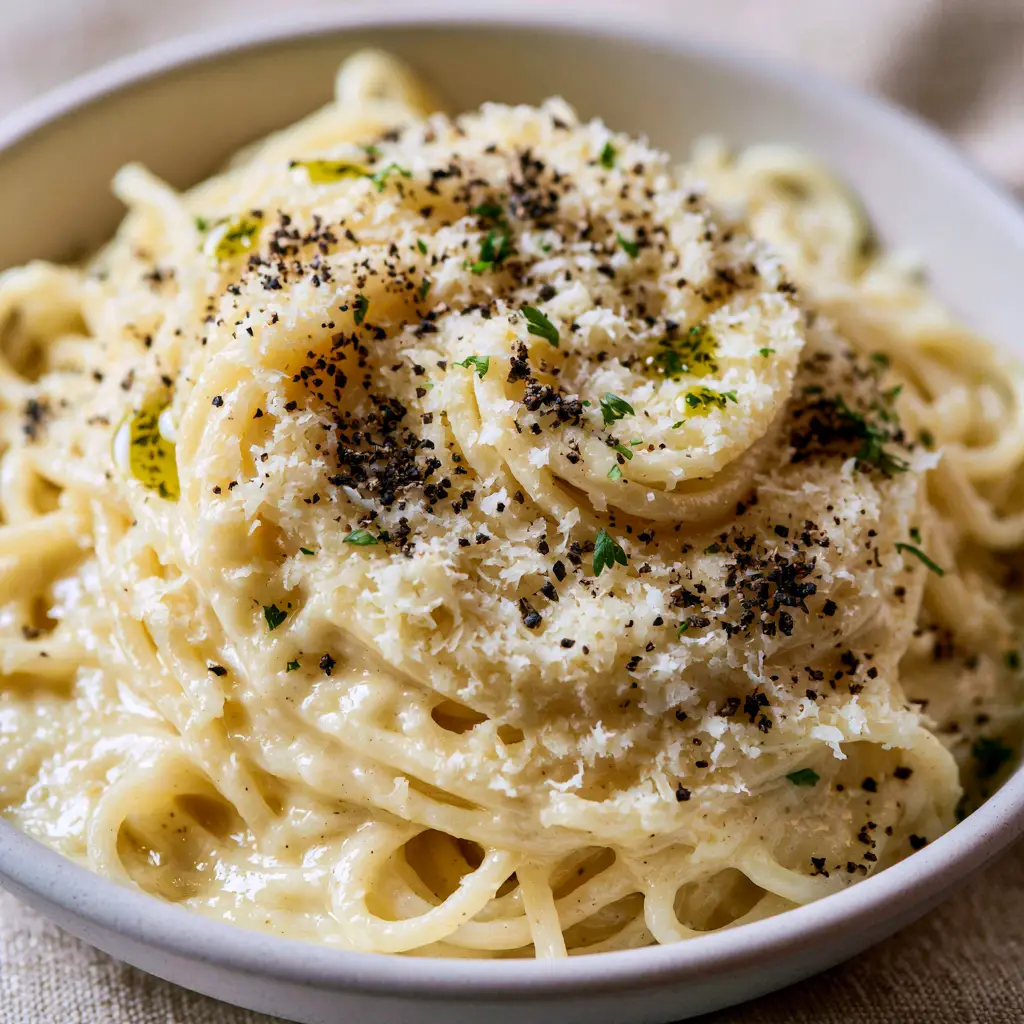
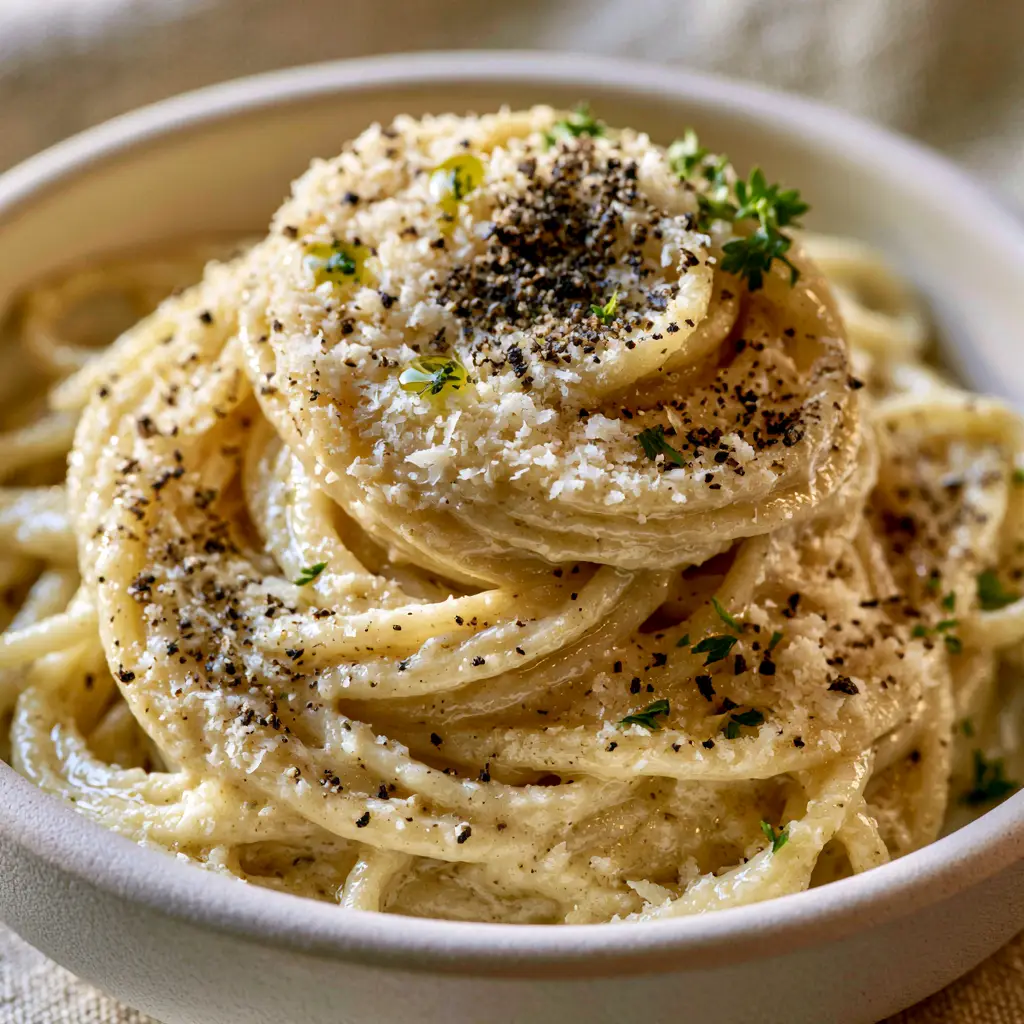
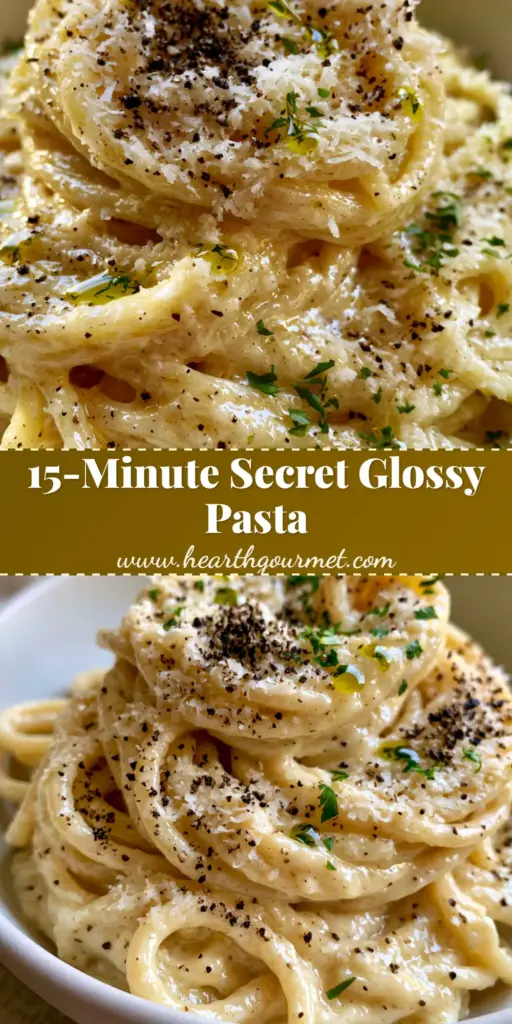
Imagine a swirling nest of al dente spaghetti, each strand glistening under the soft glow of natural window light. The sauce isn’t just “creamy”—it is a high-gloss, silk-textured emulsion that clings to the pasta like a second skin. It is the kind of dish that stops a room, inviting you to lean in and catch the scent of toasted black pepper and fresh herbs.
By mastering the marriage of starchy pasta water and high-quality fats, we achieve a pale golden-cream hue that looks as luxurious as it tastes. We finish the plate with snow-like micro-planed parmesan and vibrant droplets of emerald-green herb oil. Let’s dive into the technical nuances that make this one of the most visually stunning Italian pasta recipes you will ever create.
The Aesthetic Allure: Why This Texture Works
- Ultra-Glossy Finish: The secret lies in a stable emulsion of butter, heavy cream, and starchy water, creating a reflective, silk-like coating.
- Textural Contrast: The “snow” of micro-planed parmesan provides a light, airy mouthfeel against the bite of al dente spaghetti.
- Visual Pop: Tiny droplets of emerald-green herb oil break up the golden-cream palette, adding a professional, chef-quality finish.
- Symphonic Seasoning: Coarse-cracked black pepper offers both visual grit and a sharp heat that cuts through the rich butter.
The Essential Components for a High-Gloss Pasta Sauce
To achieve the specific “Visual Recipe Blueprint” provided, every ingredient must be chosen for its functional role in the final emulsion. We aren’t just tossing noodles in butter; we are building a structural sauce.
Dried Spaghetti: Use a high-quality, bronze-cut spaghetti (approx. 1 lb or 454g). The rougher surface area of bronze-cut pasta releases more starch into the water, which is critical for our emulsification process.
Unsalted European-Style Butter: You will need 6 tbsp (85g) of cold, unsalted butter. European butter has a higher fat content and lower water content, which helps in achieving that ultra-glossy, thick consistency seen in the macro shots.
Heavy Cream: 1/2 cup (120ml) of heavy cream provides the base for the “high-gloss cream coating.” It acts as a stabilizer for the butter-water emulsion, ensuring the sauce doesn’t break or become greasy.
Aged Parmigiano-Reggiano: Use 1 cup (90g) of finely micro-planed cheese. It must be micro-planed specifically to create that “snow-like” appearance; larger grates will weigh down the nest and ruin the delicate visual.
Whole Black Peppercorns: 1 tbsp (6g) of peppercorns, coarsely cracked just before serving. This ensures the oils are fresh and the visual “clusters” are prominent against the pale sauce.
Fresh Italian Parsley: 2 tbsp (8g) of finely minced leaves. This adds a necessary brightness and complements the herb oil droplets.
Handcrafted Herb Oil: 1/4 cup (60ml) of neutral oil blended with blanched parsley or basil. This provides those “emerald-green droplets” that define the luxury aesthetic of the dish.
Pasta Water (The Invisible Hero): At least 1 cup (240ml) of highly starchy water. This is the “glue” that binds the fat of the butter to the surface of the spaghetti.
Tools Required for Professional Plating
To recreate the macro-style swirling nest, you need more than just a pot. These tools are essential for the “Forensic Visual Accuracy” we are aiming for.
A Micro-plane: This is non-negotiable for the “snow” effect of the cheese. A standard box grater will produce shreds that are too heavy.
Kitchen Tweezers or Carving Fork: To achieve that perfect “swirling nest” in the center of a matte-white bowl, you need to twirl the pasta against a large spoon or within the curve of the pan.
Cast Iron Skillet or Wide Sauté Pan: A wide surface area allows the sauce to reduce and emulsify evenly while you toss the pasta vigorously.
Mortar and Pestle: For “coarse-cracked” pepper that maintains varied sizes, rather than the uniform dust from a grinder.
Step-by-Step Evolution of the Perfect Pasta Nest
1. Creating the Emerald-Green Herb Oil
Before boiling any water, prepare your oil. Blanch a handful of parsley in boiling water for 10 seconds, then shock in ice water. Squeeze out every drop of moisture and blend with 1/4 cup (60ml) of neutral oil. Strain through a fine-mesh sieve or coffee filter to get a clear, vibrant green oil that will form those perfect droplets.
2. Boiling for Maximum Starch
Boil your spaghetti in a pot with less water than usual. By reducing the water volume, you concentrate the starch. Cook until the pasta is 2 minutes away from al dente. It should still have a firm, slightly chalky core, as it will finish cooking in the sauce to absorb the flavors.
3. Toasting the Black Pepper
In your wide sauté pan over medium heat, add the coarsely cracked pepper. Toast it dry for 30-60 seconds until a nutty, spicy aroma fills the kitchen. This “blooms” the piperine, making the pepper more flavorful and ensuring the “clusters” seen in the visual prompt are aromatic.
4. The Emulsion Masterclass
Add 1/2 cup (120ml) of the starchy pasta water and the heavy cream to the pan with the pepper. Bring to a simmer. Whisk in the cold butter one tablespoon at a time. Watch for the “Visual Cue”: the liquid should transform from a watery yellow to a thick, pale golden-cream hue that coats the back of a spoon.
5. Tossing for the Gloss
Transfer the undercooked spaghetti directly into the pan. Increase the heat to medium-high. Using tongs, toss the pasta vigorously. This movement, combined with the starch, is what creates the “ultra-glossy silk-textured sauce.” If it looks too thick, add a splash more pasta water. You want the sauce to look like liquid silk, capturing bright highlights from the light.
Expert Tips for Success with Italian Pasta Recipes
- Temperature Control: Never boil the sauce once the cheese is added. If the pan is too hot, the parmesan will clump into “rubbery strings” instead of melting into the glossy coating.
- The “Mantecatura” Technique: This is the Italian word for the process of creating a creamy texture through vigorous tossing. The more you move the pasta, the more starch is released, and the glossier the sauce becomes.
- The Bowl Choice: Use a shallow matte-white ceramic bowl as described in the Midjourney prompt. The matte finish of the bowl provides a textural contrast to the high-gloss sauce, making the highlights pop.
- Plating the Nest: Twirl a portion of spaghetti into a large ladle using extra-long tweezers. Gently slide it into the center of the bowl to create that “swirling nest” height.
Maximizing Your Italian Dinner Experience
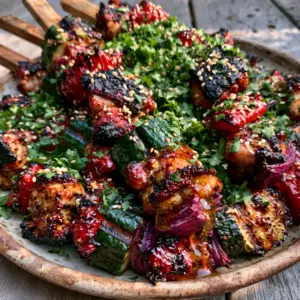
When serving refined Italian pasta recipes, the sides should provide a bright contrast to the rich, buttery sauce. Consider starting with Italian antipasto skewers to wake up the palate with vinegary notes.
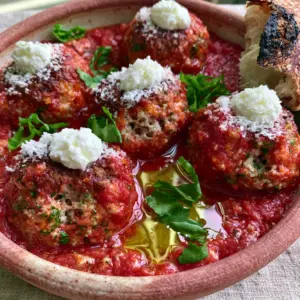
If you are hosting a larger gathering and want to offer a variety of textures, these classic Italian meatballs serve as a hearty protein pairing. For those who prefer a lighter, vegetable-forward accompaniment, a side of fresh cherry tomato pasta can offer a sweet-acidic balance to the creamy main dish.
Don’t forget that many traditional Italian dinner recipes rely on the same pantry staples, making it easy to build a cohesive menu. For a different take on the creamy profile, you might also enjoy exploring our creamy basil tomato pasta.
Frequently Asked Questions
No, pre-grated cheese contains anti-caking agents that prevent it from melting smoothly into the sauce. For the ‘snow-like’ visual, you must use a micro-plane on a block of aged Parmigiano-Reggiano.
Blanch fresh parsley for 10 seconds, shock it in ice water, and squeeze out all moisture before blending with oil. Straining it through a fine filter ensures vibrant, clear droplets without gritty herb particles.
A broken sauce usually means the heat was too high or there wasn’t enough starch. Remove from heat and whisk in a tablespoon of hot starchy pasta water to bring the emulsion back together.
The gloss is achieved through a stable emulsion of cold butter, heavy cream, and highly starchy pasta water. Tossing the pasta vigorously over heat releases more starch, which binds the fats into a silk-textured coating.
Using less water concentrates the starch released by the pasta. This ‘liquid gold’ is essential for thickening the sauce and ensuring it clings to every strand of spaghetti.
The Ultimate Silk-Textured Spaghetti Recipe
Italian pasta recipes: Silk-Textured Spaghetti with Emulsified Butter and Herb Oil
Ingredients
Equipment
Method
- Cook spaghetti in salted water until 2 minutes before al dente. Reserve 1 cup (240ml) of starchy water.
- In a wide pan, toast cracked black pepper until fragrant (about 60 seconds).
- Add 1/2 cup (120ml) pasta water and cream to the pan. Whisk in cold butter cubes one by one until a pale golden-cream hue forms.
- Add pasta to pan and toss vigorously over high heat until an ultra-glossy silk-textured coating develops.
- Twirl into a nest. Top with micro-planed parmesan 'snow', herb oil droplets, and minced parsley.
Notes
Ensure butter is cold when adding to the sauce to stabilize the emulsion.
Storage, Reheating, and Quality Retention
Like most emulsified Italian pasta recipes, this dish is best served immediately. The sauce is a delicate balance of fat and water; as it cools, the emulsion will naturally break.
Storage: If you have leftovers, store them in an airtight container in the refrigerator for up to 2 days. The sauce will solidify as the butter chills.
Reheating: To restore the “silk-textured” gloss, do not use the microwave. Instead, place the pasta in a skillet with 2 tbsp (30ml) of water or milk over low heat. Gently toss until the butter remelts and the sauce emulsifies again.
Freezing: This recipe is not suitable for freezing, as the cream and butter emulsion will separate and the pasta will become mushy upon thawing.
Closing & Call to Action
Creating professional-grade Italian pasta recipes at home is a journey of sensory cues—the sound of the sizzling butter, the sight of the glossy sauce, and the aroma of toasted pepper. By following this visual blueprint, you have created a dish that is as much a feast for the eyes as it is for the soul. We would love to see your “swirling nests”! Please leave a comment below, sign up for our newsletter for more culinary forensics, and share your beautiful creations to Pinterest.