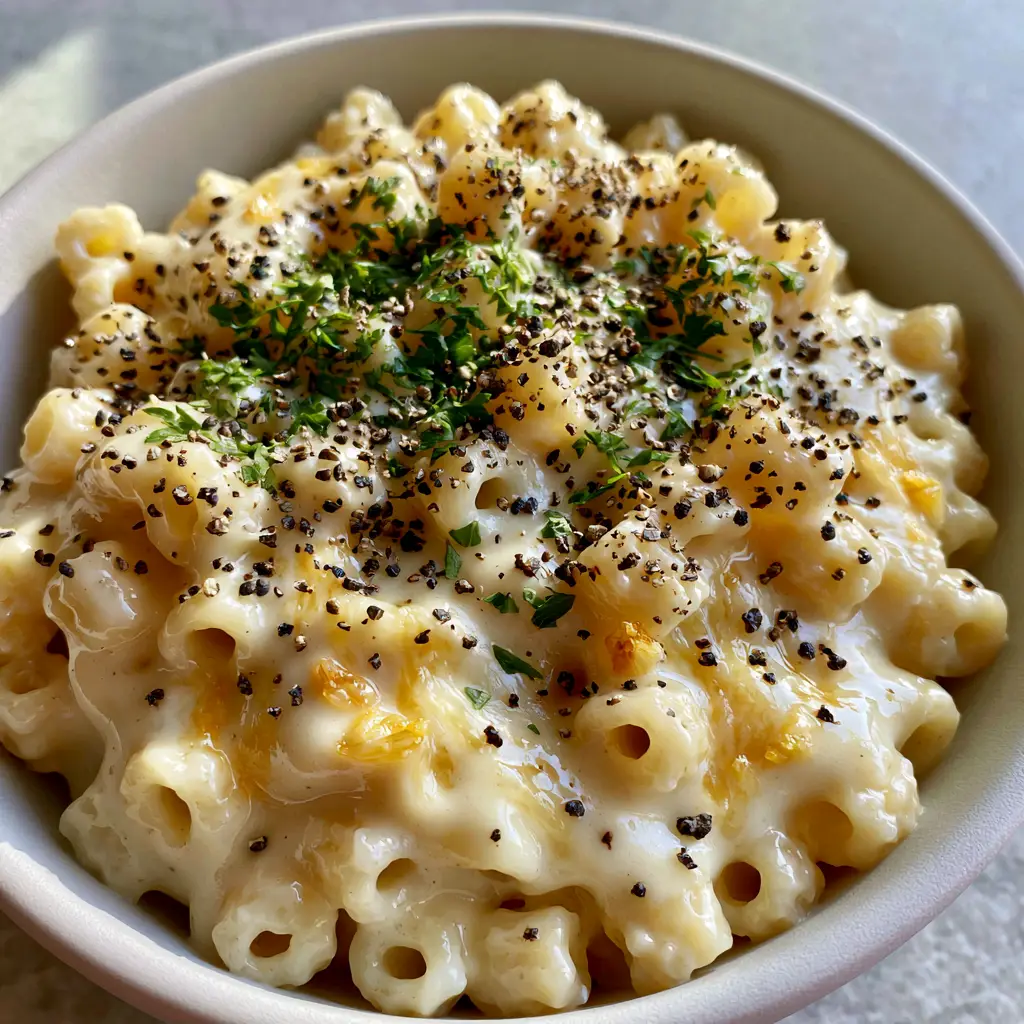
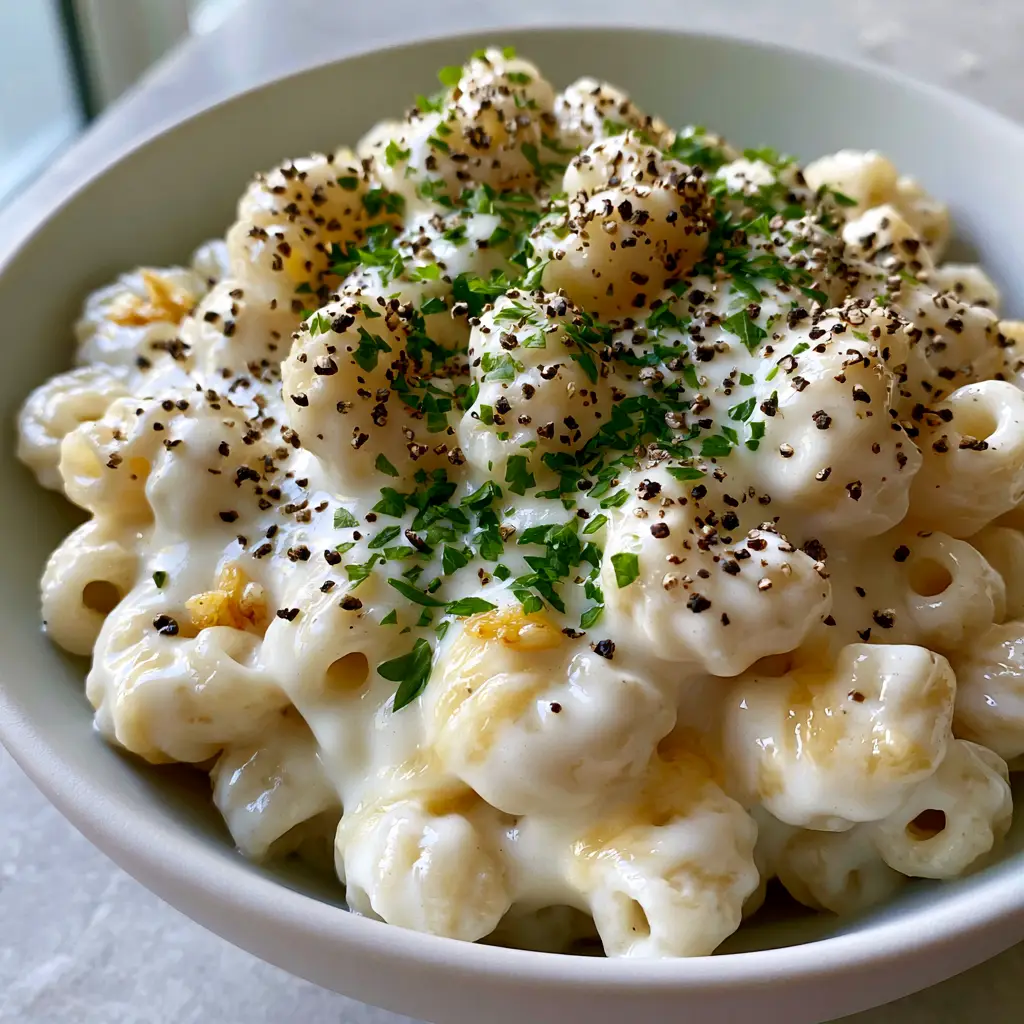
There is something inherently comforting about the small, cylindrical shape of ditalini pasta. Often tucked away in soups, this “little thimble” pasta is frequently overlooked as a standalone star, but when coated in a velvety, glossy heavy cream sauce, it transforms into a gourmet experience. This recipe focuses on capturing the precise moment the pasta is perfectly al dente, glistening under soft morning light with wisps of steam rising from a matte white ceramic bowl.
The visual appeal of this dish lies in its textures: the plump, firm bite of the pasta against a thick, ivory sauce. Every fold of the ditalini pasta is designed to catch streaks of melted parmesan cheese and tiny bits of golden sautéed garlic. To finish, a heavy shower of freshly cracked coarse black pepper and a spray of bright green Italian parsley provide the high-contrast garnish that makes this dish pop against a neutral stone backdrop.
Whether you are looking for a quick weeknight indulgence or a sophisticated side dish, this method ensures a restaurant-quality emulsion. We are moving beyond basic noodles and butter into a realm where culinary science meets aesthetic perfection. Prepare your palate for a symphony of pungent garlic, sharp cheese, and the warming heat of cracked peppercorns.
Why This Creamy Ditalini Recipe Works Every Single Time
- The “Sauce-to-Shape” Ratio: The hollow centers of the ditalini pasta act as tiny reservoirs, trapping the glossy heavy cream sauce so every bite is an explosion of flavor.
- Textural Contrast: By hitting the pasta with a coarse grind of black pepper, we interrupt the smooth creaminess with a distinct, spicy crunch.
- Emulsification Mastery: We use the starchy pasta water to bridge the gap between the fat in the cream and the solids in the parmesan, resulting in a streak-free, velvety finish.
- Visual Vibrancy: The addition of finely minced Italian parsley isn’t just for flavor; it provides a necessary visual “lift” that signals freshness and balances the rich, golden garlic bits.
The Anatomy of a Perfect Glossy Cream Sauce
To achieve the visual result seen in professional food photography, your choice of ingredients for ditalini pasta is paramount. You cannot simply use any dairy; the fat content determines the gloss and the “cling” of the sauce to the pasta walls.
Ditalini Pasta: Use a high-quality bronze-die extruded pasta if possible. This creates a rougher surface texture on the 1 lb (454g) of ditalini pasta, allowing the sauce to adhere rather than slide off.
Heavy Whipping Cream: You will need 1.5 cups (360ml) of heavy cream. Its high fat content (at least 36%) ensures the sauce reduces into a thick, glossy coating without curdling when heat is applied.
Parmesan Cheese: Select a block of Parmigiano Reggiano and shred it yourself to get 1 cup (90g). Pre-shredded cheeses are coated in potato starch, which will turn your glossy sauce into a gritty, clumpy mess.
Fresh Garlic: We use 4 large cloves of garlic, minced finely. Sautéing these until they reach a pale golden hue provides the aromatic backbone and the visible “bits” found in the folds of the pasta.
Foundational Fats: 2 tbsp (30g) of unsalted butter is used to sauté the garlic. Butter adds a layer of silkiness and a depth of flavor that oil alone cannot provide in a cream-based dish.
Seasoning & Garnish: Use 1 tsp (6g) of kosher salt for the sauce, but significantly more for the pasta water. The final aesthetic is defined by 1 tbsp (6g) of coarsely cracked black pepper and 1/4 cup (10g) of finely chopped Italian parsley.
Essential Tools for High-Angle Plating
To replicate the handheld smartphone photo aesthetic, you need the right vessels. A shallow matte white ceramic bowl is ideal because it doesn’t reflect harsh light, allowing the natural side-light to emphasize the “gloss” of the sauce rather than the glare of the plate.
A heavy-bottomed stainless steel skillet or a wide saucepan is necessary for the sauce. The wide surface area allows the heavy cream to reduce quickly and evenly. You will also want a microplane for the parmesan to ensure the shreds are fine enough to melt into those signature “streaks” described in the blueprint.
The Culinary Blueprint: Step-by-Step Evolution
Achieving the Perfect Al Dente Foundation
Bring a large pot of water to a rolling boil. Add at least 2 tbsp (36g) of salt; the water should taste like the sea. Drop 1 lb (454g) of ditalini pasta into the water and stir immediately to prevent the small shapes from sticking to the bottom.
Cook for approximately 8-9 minutes, or 1 minute less than the package instructions. You are looking for a firm “snap” when you bite into a noodle. Before draining, reserve 1 cup (240ml) of the starchy pasta water—this is your “liquid gold” for the final emulsion.
The Aromatics: Sautéing the Garlic to Gold
While the pasta boils, place your skillet over medium-low heat and melt 2 tbsp (30g) of butter. Add your finely minced garlic. Listen for a gentle sizzle; you do not want to brown the garlic quickly, as it will become bitter.
Sauté for 2-3 minutes until the garlic bits turn a beautiful, pale golden color. This ensures the garlic is mellow and sweet, providing those visible “tiny bits” in the final sauce. The smell should be fragrant but not toasted.
Building the Glossy Cream Reduction
Pour 1.5 cups (360ml) of heavy cream into the skillet with the garlic and butter. Increase the heat to medium and bring to a simmer. Let the cream bubble gently for 4-5 minutes until it begins to thicken slightly.
The visual cue for readiness is when the cream coats the back of a spoon and you can draw a line through it with your finger. At this stage, whisk in 1/2 tsp (3g) of kosher salt and half of your cracked black pepper.
The Final Emulsion and “Streaks” of Cheese
Lower the heat to the minimum setting. Add the cooked ditalini pasta directly into the cream sauce. Toss the pasta vigorously to ensure every “thimble” is filled with the reduction.
Sprinkle the 1 cup (90g) of shredded parmesan over the pasta. Add 1/4 cup (60ml) of the reserved pasta water. Stir gently but constantly; you want the cheese to melt into visible streaks before fully incorporating into the glossy whole.
Expert Tips for Success
- Temperature Control: Never boil the sauce after the cheese has been added. Excessive heat will cause the proteins in the parmesan to tighten and separate from the fat, resulting in an oily, grainy texture.
- The Pepper Grind: Use a pepper mill on the coarsest setting. Pre-ground pepper is too fine and will turn the sauce grey rather than providing the beautiful “shower” of black specks seen in the visual prompt.
- Pasta Water Science: If the sauce looks too thick or “tacky,” add a tablespoon of pasta water at a time. The starch acts as a stabilizer, keeping the heavy cream and cheese in a smooth, unified state.
- Plating for Steam: To get those “steam wisps” in your photo, warm your ceramic bowls in the oven at a low temperature before serving. Cold bowls will immediately kill the heat and the steam of the ditalini pasta.
Preserving the Gloss: Storage and Reheating
Cream-based pastas are notorious for thickening into a solid block in the fridge. This dish will stay fresh in an airtight container for up to 3 days. However, the ditalini pasta will continue to absorb the moisture from the sauce as it sits.
To reheat and restore the glossy finish, place the pasta in a small saucepan with a splash of heavy cream or milk (about 2 tbsp (30ml) per serving). Heat over low flame, stirring constantly, until the sauce thins out and becomes velvety again. Microwave reheating is not recommended as it often causes the sauce to “split.”
Elegant Pairings and Menu Inspiration
This ditalini pasta is a rich, decadent dish that benefits from a bright or acidic accompaniment. A simple arugula salad with a lemon vinaigrette works wonders. If you are looking to build a full Italian-inspired spread, consider starting with a lemon whipped ricotta appetizer to prime the palate with citrus and cream.
For those who enjoy a more varied pasta night, this dish serves as a beautiful white-sauce alternative to a traditional pasta e fagioli. If you have leftover heavy cream, you can easily pivot to a creamy mushroom pasta later in the week. For a vegetable-heavy side, our spinach artichoke pasta techniques can be adapted to create a warm spinach salad that cuts through the richness of the garlic cream.
Common Questions About Cooking Ditalini
It is not recommended. Pre-grated cheese contains anti-caking agents like cellulose that prevent it from melting smoothly, which will result in a grainy sauce rather than the streaky, melted finish we want.
Boil the pasta for 1-2 minutes less than the box instructions. It will finish cooking in the hot cream sauce, absorbing flavor without becoming mushy.
Glossiness comes from a proper emulsion of high-fat heavy cream, butter, and starchy pasta water. Avoid using low-fat milk, which lacks the lipids necessary for that reflective, velvety sheen.
Ditalini translates to ‘little thimbles’ in Italian. Its small, hollow cylindrical shape is perfect for creamy sauces because the sauce fills the center of each noodle, ensuring a flavorful bite every time.
This usually happens if the heat is too high after the cheese is added. The proteins in the cheese denature and clump together, releasing the fat. Always turn the heat to low before adding parmesan.
The Ultimate Creamy Garlic Ditalini Recipe
Ditalini Pasta with a Glossy Garlic Cream Sauce and Cracked Pepper
Ingredients
Equipment
Method
- Boil the ditalini pasta in salted water for 8-9 minutes until al dente. Reserve 1 cup (240ml) of pasta water before draining.
- In a skillet over medium-low heat, melt butter and sauté minced garlic until pale golden and fragrant (about 2-3 minutes).
- Add heavy cream to the skillet. Simmer for 4-5 minutes until the sauce reduces and coats the back of a spoon.
- Add drained pasta and shredded parmesan to the skillet. Stir in 1/4 cup (60ml) of pasta water, tossing until a glossy, streaky emulsion forms.
- Top with a heavy shower of coarse black pepper and minced parsley. Serve immediately while steam is rising.
Notes
Reserve extra pasta water to loosen the sauce if it thickens too much during plating.
Join the Hearth & Gourmet Community
Capturing the perfect bowl of ditalini pasta is about more than just following steps; it is about appreciating the sensory details of the kitchen. From the sound of the boiling water to the sight of the steam rising against the morning light, we hope this recipe brings a moment of culinary peace to your home. If you enjoyed this glossy cream sauce, please leave a comment below and let us know how your emulsion turned out!
Don’t forget to sign up for our newsletter for weekly recipe blueprints and expert tips. Share your recreations with us on Pinterest by tagging @hearthgourmet. Happy cooking!