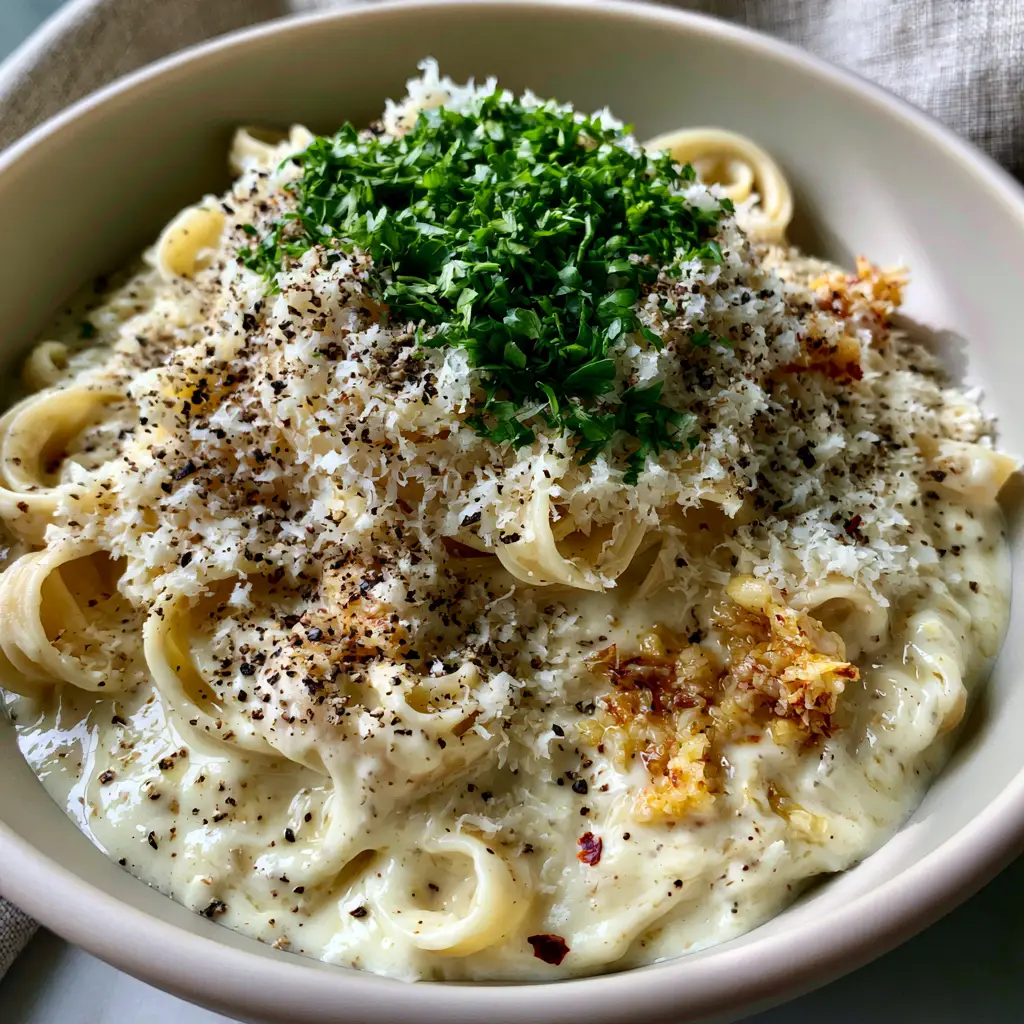
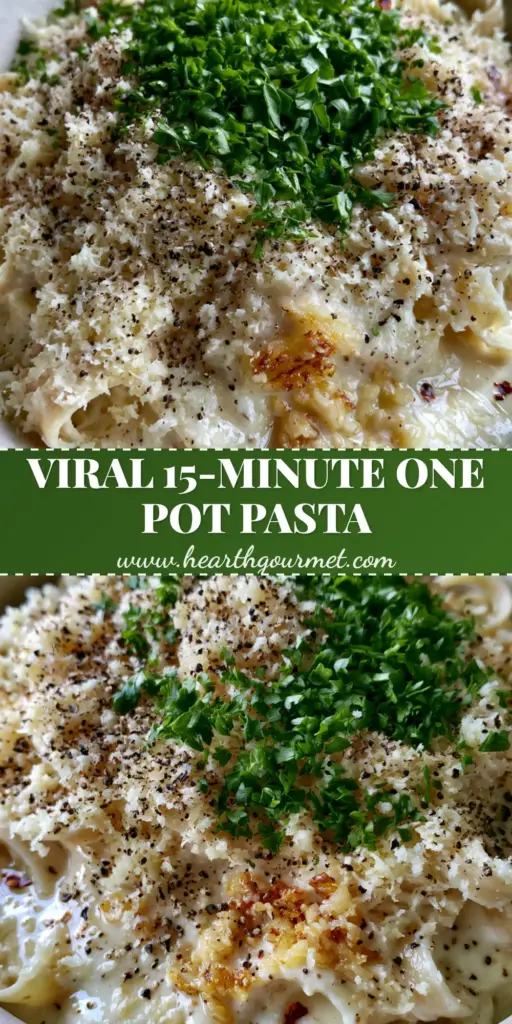
There is a specific kind of magic that happens when high-quality heavy cream meets the sharp, aromatic pungency of slowly toasted garlic. This Creamy Garlic Pasta isn’t just a meal; it is a sensory experience designed to mimic the high-end aesthetic of a modern bistro. Imagine a modern matte-cream ceramic shallow bowl, filled with elegant, swirling nests of al dente fettuccine, each strand glistening under a thick, ultra-velvety white garlic cream sauce.
When you prepare this Creamy Garlic Pasta, you are aiming for a professional-grade glossy, silky sheen that clings to the pasta rather than pooling at the bottom of the bowl. We have engineered this recipe to ensure every bite delivers a contrast of textures, from the “fluffy parmesan snow” to the distinct crunch of golden-brown bits of toasted minced garlic. Whether you are a seasoned home cook or a beginner, this guide will help you achieve food-photography-level results right in your own kitchen.
Why This Velvety Fettuccine Is a Culinary Masterpiece
- Visual Sophistication: The contrast between the vibrant, finely minced bright green flat-leaf parsley and the coarse cracked black pepper against a white cream base creates a stunning visual depth.
- Structural Integrity: By focusing on the starch-to-fat ratio, we achieve a sauce that remains thick and velvety without breaking or becoming oily.
- Layered Aromatics: We don’t just boil garlic; we toast it to a specific golden hue to unlock nutty, sweet notes that complement the heat of the dried red chili flakes.
- Textural Harmony: The combination of al dente pasta and a “fluffy” parmesan topping provides a satisfying mouthfeel that distinguishes this from a standard cajun chicken pasta.
The Anatomy of a Perfect Garlic Cream Sauce
Every ingredient in this Creamy Garlic Pasta serves a forensic purpose. To achieve the visual and flavor profile described in our blueprint, you must select your components with precision. Avoid pre-shredded cheeses, as the cellulose coating will prevent the sauce from reaching that ultra-velvety sheen we desire.
1 lb (450g) Dried Fettuccine: The wide, flat surface area of fettuccine is the ideal canvas for a thick cream sauce. It allows for the “swirled” presentation that looks so elegant in a shallow bowl.
6 cloves (30g) Fresh Garlic: We use a high volume of garlic here. Half will be finely minced for toasting into golden bits, while the other half can be pressed to infuse the sauce with immediate pungency.
2 cups (480ml) Heavy Cream: Use full-fat heavy cream (at least 36% milkfat). This is the foundation of the “velvety white” appearance and the glossy texture that catches the light.
1 cup (90g) Freshly Grated Parmigiano-Reggiano: This must be grated on a microplane to achieve the “fluffy parmesan snow” look. It also acts as a natural thickener for the sauce.
4 tbsp (56g) Unsalted Butter: Butter provides the fat needed to toast the garlic bits without burning them, adding a rich, nutty base to the emulsion.
1/2 cup (15g) Fresh Flat-Leaf Parsley: Minced extremely fine, this provides the “vibrant layer” of green that cuts through the richness of the cream.
Invisible Foundations: You will also need 1 tsp (6g) of Kosher salt for the pasta water and 1/2 tsp (3g) of coarse cracked black pepper to provide the visual texture and a gentle floral heat. A pinch of dried red chili flakes adds the “pop of color” noted in our visual blueprint.
Essential Tools for Bistro-Quality Pasta
To recreate the high-end aesthetic of a handheld smartphone photo, your tools matter as much as your ingredients. You will need a large pasta pot to ensure the fettuccine has enough room to move, preventing sticking. A heavy-bottomed skillet or sauté pan is crucial for even heat distribution when toasting the garlic.
A microplane grater is non-negotiable for creating that delicate “snow” of parmesan. Finally, a pair of stainless steel kitchen tongs is the secret to creating the perfect “swirl” when plating the pasta into your matte cream ceramic bowl. If you enjoy this level of detail, you might also find our guide on authentic pasta carbonara helpful for mastering egg-based emulsions.
Mastering the Golden Toasted Garlic and Cream Emulsion
Step 1: The Al Dente Foundation
Bring 4 quarts (3.8L) of heavily salted water to a rolling boil. Add the fettuccine and cook for 1-2 minutes less than the package directions. You want the pasta to have a firm “bite” (al dente) because it will continue to cook slightly when tossed in the hot cream sauce. Before draining, reserve 1 cup (240ml) of the starchy pasta water—this is the “liquid gold” that ensures your sauce reaches a silky sheen.
Step 2: Toasting the Garlic to Golden Perfection
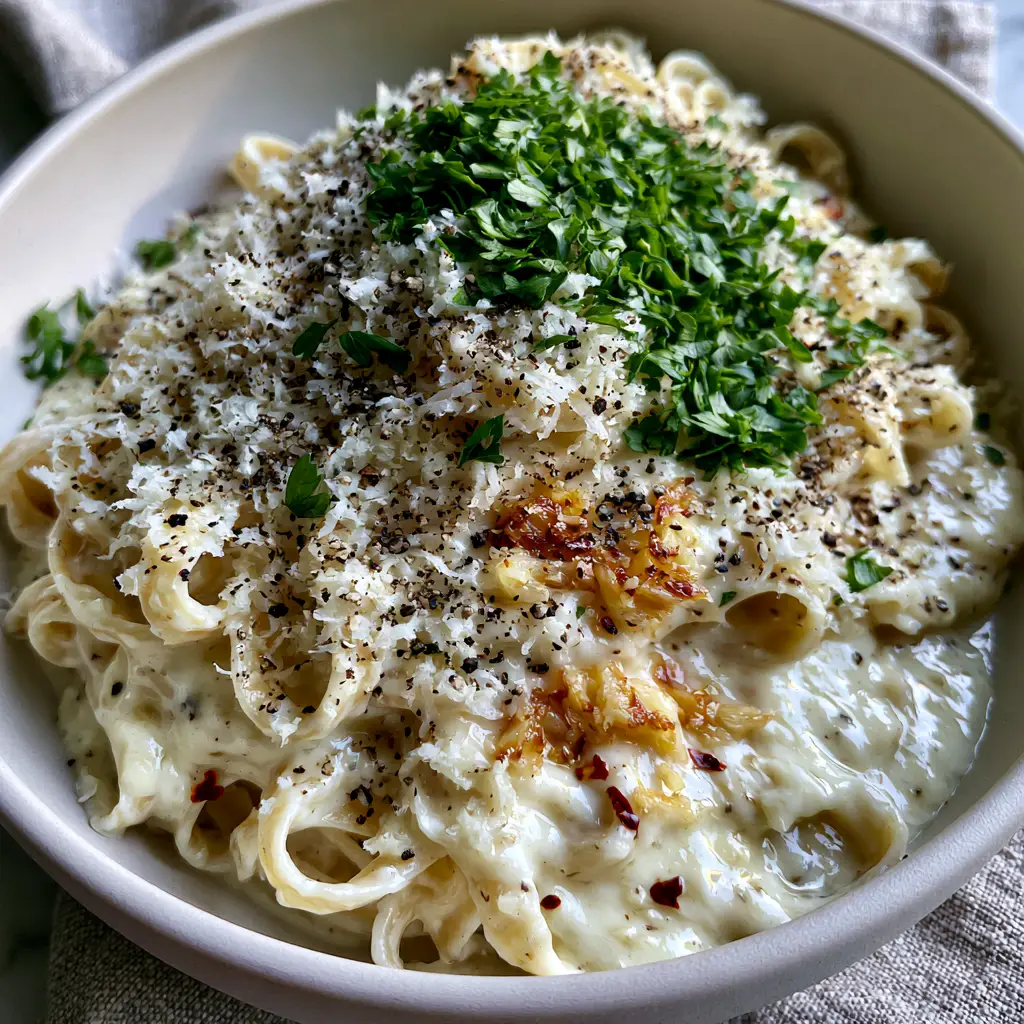
In your large skillet, melt the butter over medium-low heat. Add the minced garlic. Watch it closely; you are looking for a visual cue: the garlic should transition from white to a pale straw color and finally to a distinct golden-brown. This should take about 3-5 minutes. The smell will shift from sharp to sweet and nutty. At this moment, add the dried red chili flakes to bloom them in the fat for 30 seconds.
Step 3: Building the Velvety Sheen
Pour the heavy cream into the skillet with the golden garlic. Increase the heat to medium and bring to a gentle simmer. Do not let it reach a hard boil, or the fat may separate. Allow the cream to reduce by about one-third until it is thick enough to coat the back of a spoon. Whisk in half of the coarse cracked black pepper, which will begin to infuse the sauce with its woody aroma.
Step 4: The Emulsion and The Toss
Add the cooked fettuccine directly into the sauce. Sprinkle in half of the grated parmesan and a splash of the reserved pasta water. Using your tongs, toss the pasta vigorously. The starch in the water and the proteins in the cheese will emulsify with the cream, creating that “ultra-velvety” texture described in the visual prompt. If the sauce looks too thick, add more pasta water a tablespoon at a time.
Expert Tips for a Glossy, Professional Finish
- Temperature Control: Never add your parmesan to a boiling sauce. If the sauce is too hot, the cheese will clump and become stringy rather than melting into a smooth cream.
- The Resting Period: Let the pasta sit in the pan for 60 seconds after tossing. This allows the fettuccine to absorb some of the sauce, ensuring it is “submerged” rather than just coated.
- Freshness Factor: Only chop your parsley at the very last second. This preserves the “bright green” color and prevents it from bruising or turning dark.
- Plating Technique: To get the “elegant swirls,” twirl a portion of pasta inside a large ladle using your tongs before sliding it into the ceramic bowl.
Serving Suggestions and Flavor Pairings
This Creamy Garlic Pasta is a decadent centerpiece, but it can be elevated further by serving it alongside the right proteins. For a complete feast, consider pairing it with our bacon wrapped garlic parmesan chicken. The saltiness of the bacon provides a perfect counterpoint to the velvet sauce.
If you prefer a lighter side, a crisp caprese pasta salad can serve as a refreshing appetizer. For those who love the comfort of a warm bowl, starting the meal with a small cup of creamy vegetable soup creates a cohesive, multi-course dining experience that feels professional and planned.
Preserving the Texture: Storage and Reheating
While this dish is best served immediately to maintain the “glossy, silky sheen,” you can store leftovers in an airtight container for up to 3 days. However, cream-based sauces tend to thicken significantly when cold.
To reheat, avoid the microwave if possible, as it can cause the sauce to break and become oily. Instead, place the pasta in a small skillet over low heat. Add a splash of milk or cream (about 2 tablespoons) and stir gently until the sauce loosens and regains its velvety texture. This is a common technique used in spinach and tomato tortellini recipes to maintain quality.
Common Questions About Garlic Cream Sauces
You can, but the sauce will be thinner and won’t have the same ‘glossy, silky sheen.’ You may need to add a small amount of cornstarch slurry to achieve the desired thickness.
The secret is low and slow heat. Watch for the color to change to a pale golden-brown. Once it reaches that straw color, add your liquid immediately to stop the cooking process.
Use long kitchen tongs and a large soup ladle. Twirl the pasta inside the ladle to create a tight nest, then gently slide it into your serving bowl.
Pasta water contains starch that acts as a bridge between the fat (butter/cream) and the pasta, creating a stable, velvety emulsion that clings to every strand.
Graininess usually happens if you use pre-shredded cheese or if the sauce is too hot when the cheese is added. Always grate your cheese fresh and whisk it in over low heat.
The Final Recipe: Creamy Garlic Pasta
Creamy Garlic Pasta: The Ultimate Velvety Fettuccine Recipe
Ingredients
Equipment
Method
- Cook fettuccine in salted water until 1-2 minutes before al dente. Reserve 1 cup (240ml) of pasta water and drain.
- Melt butter in a skillet over medium-low heat. Sauté minced garlic until it reaches a golden-brown hue and nutty aroma.
- Add heavy cream and simmer gently until thickened enough to coat a spoon. Do not boil vigorously.
- Add pasta, half the parmesan, and pasta water. Toss vigorously with tongs until a glossy, silky sheen forms.
- Swirl pasta into matte cream ceramic bowls. Top with remaining fluffy parmesan snow, fresh parsley, black pepper, and chili flakes.
Notes
If the sauce breaks, add a teaspoon of warm pasta water and whisk vigorously to re-emulsify.
Conclusion: Bring the Bistro Home
Mastering the Creamy Garlic Pasta is a rite of passage for any enthusiastic home cook. By following these forensic visual cues—from the golden-brown toasted garlic to the fluffy parmesan snow—you can create a dish that looks like it belongs on a professional food blog. The combination of simple, high-quality ingredients and precise technique results in a bowl of comfort that is as beautiful as it is delicious.
If you enjoyed this recipe, please leave a comment below and let us know how your sauce turned out! Don’t forget to share your creations and follow us on Pinterest for more culinary inspiration and high-RPM recipes.