There is nothing quite like pulling a bubbling, golden tray of the best lasagna recipe out of the oven, the aroma of toasted mozzarella and slow-simmered bolognese filling your kitchen. This isn’t just any pasta dish; it is a structural masterpiece designed to deliver the perfect side-profile slice every single time.
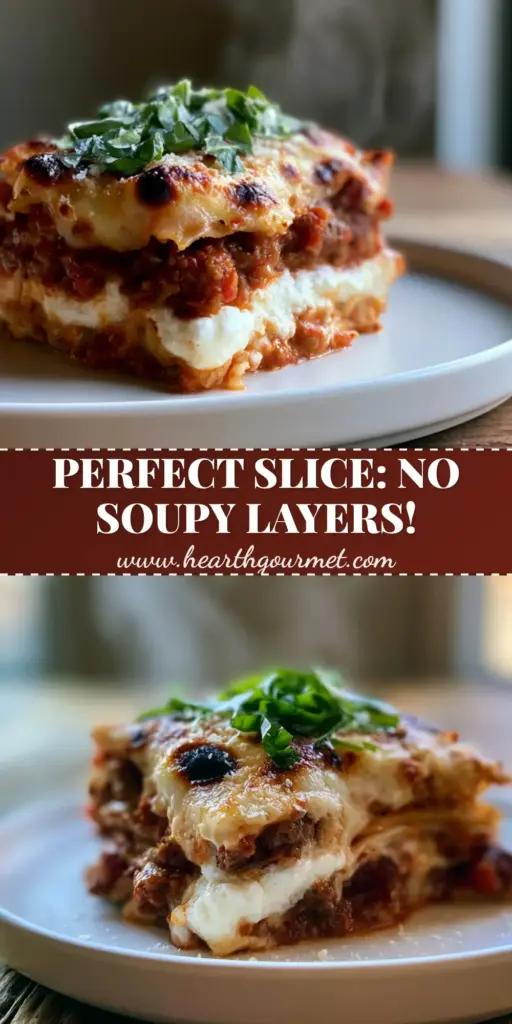
We have all experienced the disappointment of a lasagna that slumps into a puddle on the plate, but this recipe focuses on culinary architecture. By balancing a thick, chunky beef bolognese with a stable, creamy ricotta ribbon, we achieve a slice that stands tall with visible, distinct layers.
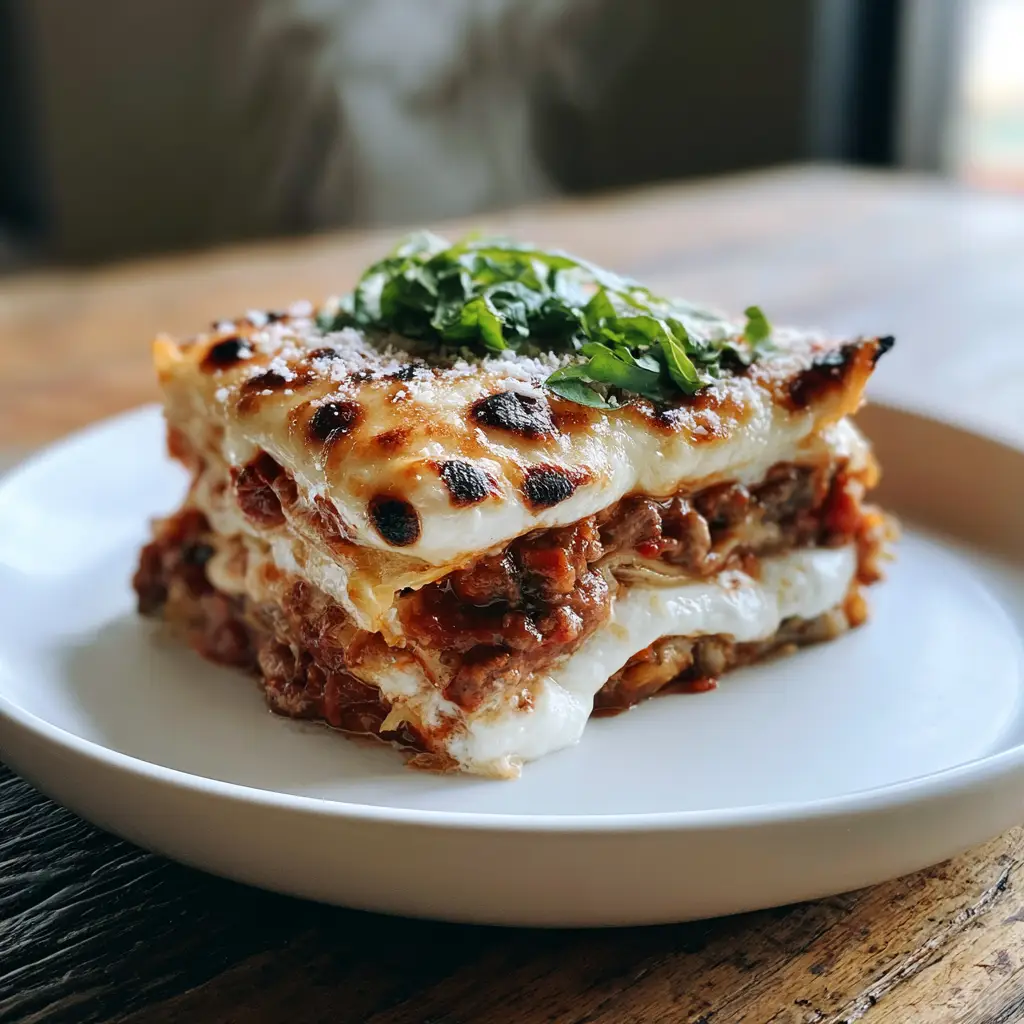
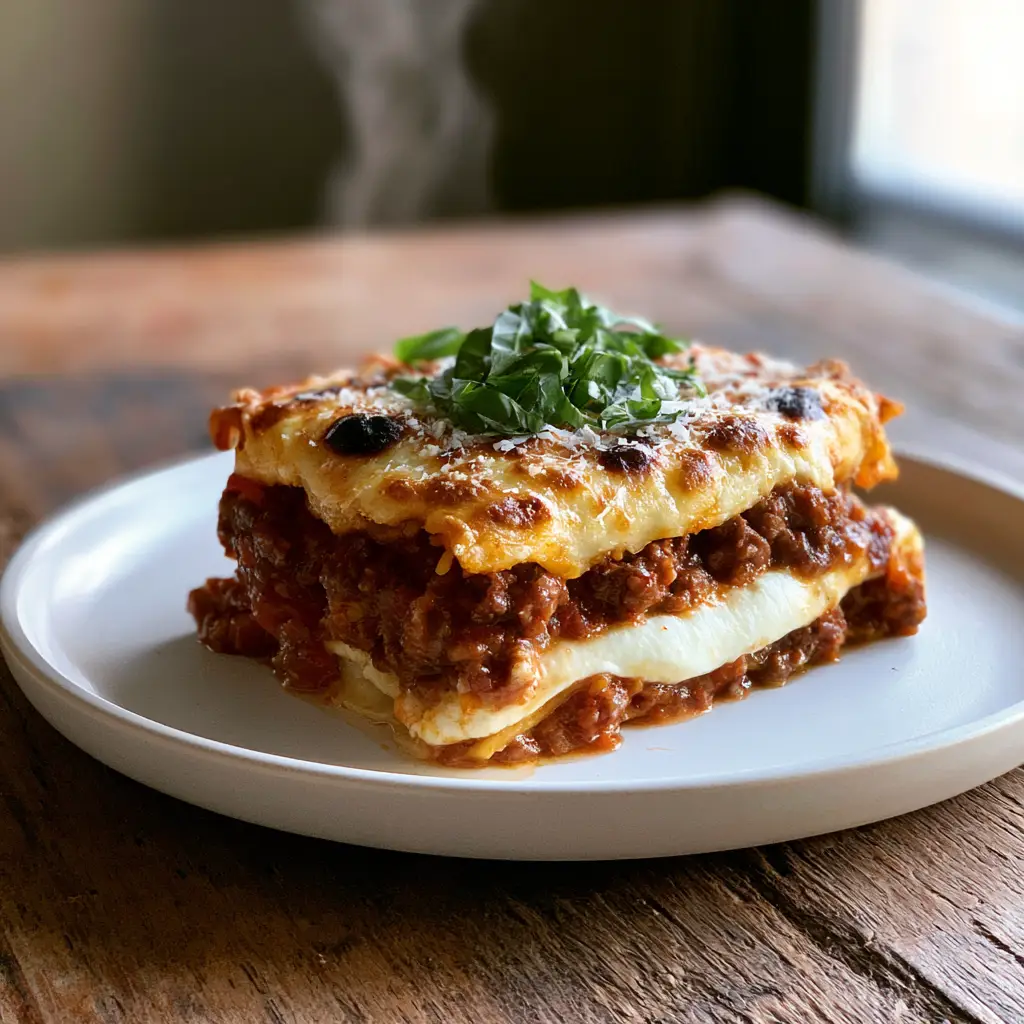
From the charred cheese spots on the top layer to the light steam rising from the firm pasta sheets, every element is engineered for maximum flavor and visual appeal. This is the definitive version for home cooks who want restaurant-quality results that look as good as they taste.
The Blueprint for a Perfect Slice of Italian Comfort
- Structural Integrity: These layers are thick and stable, ensuring your slice stands tall on a white ceramic plate without running or sliding.
- Visual Texture: Expect a top layer of golden-brown mozzarella featuring those signature dark charred spots for a professional, rustic finish.
- Chunky Bolognese: Unlike thin sauces, our beef-heavy bolognese provides a meaty bite that anchors the pasta sheets.
- Aromatic Garnish: The final touch of freshly torn basil and micro-planed parmesan adds a pop of bright green and a sharp, salty finish.
Essential Components for the Best Lasagna Recipe
Lean Ground Beef (1.5 lbs / 680g): High-quality beef provides the “chunky” foundation for our sauce; look for 85/15 fat content for the best flavor without excessive grease.
Whole Milk Ricotta (15 oz / 425g): This creates that thick, creamy white ribbon in the center that remains structural thanks to the addition of a binding egg.
Low-Moisture Mozzarella (3 cups / 336g): Shredding your own cheese ensures it melts into a bubbly, toasted blanket with those crucial charred spots.
Wide Lasagna Noodles (12-15 sheets): We use firm pasta sheets cooked just shy of al dente to ensure they hold up against the weight of the sauce and cheese.
Crushed Tomatoes (28 oz / 800g): These provide the acidic base for the bolognese, simmering down into a thick, concentrated red sauce.
Fresh Basil & Micro-planed Parmesan: These are the essential finishing touches that provide the sensory “pop” of freshness against the rich, heavy layers.
Foundational Aromatics: Olive oil (2 tbsp / 30ml), minced garlic (4 cloves), and a large yellow onion are the invisible heroes that build deep flavor levels.
Professional Tools for Culinary Success
To achieve that perfect macro-shot profile, you will need a high-sided 9×13 inch (23x33cm) ceramic or glass baking dish. A heavy-bottomed Dutch oven is essential for searing the beef and simmering the chunky bolognese to the right consistency.
For the finishing touches, a micro-plane grater is required to achieve that fine dusting of parmesan cheese. A sharp serrated knife or a dedicated lasagna spatula will help you cut through the layers without compressing the structural height of the slice.
Developing the Chunky Beef Bolognese
Searing for Maximum Flavor Depth
Heat your olive oil in the Dutch oven over medium-high heat until it shimmers. Add the ground beef and let it sit undisturbed for 3 minutes to develop a deep, dark brown crust—this is where the “chunky” texture begins.
Break the meat into large pieces rather than a fine crumble; you want visible bits of tomato and beef in every bite. Add your onions and garlic, sautéing until the onions are translucent and fragrant, signaling the release of their natural sugars.
Simmering for Thickness and Stability
Pour in the crushed tomatoes and season heavily with salt, pepper, and dried oregano. Lower the heat and simmer uncovered for at least 45 minutes to reduce the liquid; a runny sauce is the enemy of a tall lasagna slice.
The sauce is ready when it is thick enough to hold its shape on a spoon, glistening under the light with a rich, concentrated red color. This thickness ensures the bolognese doesn’t leak into the ricotta layers during the long bake.
Constructing the Structural Layers
Preparing the Creamy Ricotta Ribbon
In a medium bowl, combine the ricotta with one large egg and 1/2 cup (45g) of grated parmesan. This mixture creates a stable, white creamy ribbon that won’t run when the lasagna is sliced hot.
The egg acts as a culinary glue, ensuring the ricotta stays exactly where you put it between the firm pasta sheets. Season with a pinch of nutmeg to enhance the dairy’s richness without overpowering the beef.
The Assembly Architecture
Start with a thin layer of sauce on the bottom of the dish to prevent sticking, then lay down your first set of firm pasta sheets. Spread half of the ricotta mixture followed by a generous portion of the chunky bolognese and a handful of mozzarella.
Repeat the process, finishing with a final layer of pasta, the remaining bolognese, and a very thick coating of mozzarella. This “cap” of cheese is what will eventually become our toasted, bubbly masterpiece.
Achieving the Golden Bubbly Finish
Bake the lasagna covered with foil at 375°F (190°C) for 25 minutes to ensure the center is piping hot. Then, remove the foil and bake for another 20-25 minutes until the mozzarella is golden-brown and bubbling across the entire surface.
For those authentic charred spots, turn the broiler on high for the final 2 minutes. Watch closely as the cheese transforms from pale yellow to a toasted gold with small, dark charred spots that provide a smoky flavor contrast.
Expert Tips for the Best Lasagna Recipe Success
- The Resting Rule: You must let the lasagna rest for at least 15-20 minutes after baking. This allows the structural layers to set, ensuring a clean, square slice.
- Pasta Firmness: Boil your noodles for 2 minutes less than the package directions. They will finish cooking in the sauce, absorbing flavor while remaining firm.
- Cheese Quality: Always use a block of mozzarella and shred it yourself; pre-shredded cheese is coated in potato starch, which prevents the perfect bubbly melt.
- Layer Control: Use a spatula to press down gently on each layer as you build it to remove air pockets and create a denser, taller structure.
Storage, Reheating, and Freezing
Lasagna is famously better the next day as the flavors continue to meld. Store leftovers in an airtight container in the refrigerator for up to 4 days, where the layers will become even more stable.
To reheat, place a slice in the oven at 350°F (175°C) covered with foil to maintain moisture until the light steam rises from the center. For freezing, wrap individual square slices in plastic wrap and foil; they will stay fresh for up to 3 months.
What to Serve with This Italian Feast
A heavy, cheese-laden dish like the best lasagna recipe needs a bright, acidic companion. A crisp green salad with a sharp vinaigrette or a bowl of restaurant-style salsa and chips as an unconventional appetizer can balance the richness.
If you are planning an Italian-themed week, this lasagna pairs beautifully with a starter like Italian chicken soup or a side of creamy pasta with sweet peas and crispy pancetta. For a lighter soup option to serve before the main event, consider this pasta e fagioli soup recipe.
The Ultimate Home-Style Lasagna Recipe Card
Absolutely. You can assemble the lasagna and refrigerate it overnight before baking, which actually helps the layers set even more firmly.
Yes, for this structural recipe, boil wide noodles for 2 minutes less than the package directions. This ensures they are firm enough to hold the heavy layers.
After the main baking time, turn your oven to the ‘Broil’ setting for 2-3 minutes. Keep a close eye on it to ensure the mozzarella toasts to a deep gold without burning.
A high-fat, low-moisture mozzarella is best. Shredding it from a block ensures a better melt and the characteristic bubbly texture shown in our photos.
Runny lasagna is usually caused by a sauce with too much water or not letting the dish rest. Simmer your bolognese until thick and let the lasagna rest for 20 minutes before slicing.
The Final Step to Lasagna Perfection
best lasagna recipe: The Ultimate Guide to Tall, Structural Layers and Bubbly Mozzarella
Ingredients
Equipment
Method
- Brown meat in olive oil in a Dutch oven until a deep crust forms. Break into chunky pieces.
- Add crushed tomatoes and aromatics. Simmer for 45 minutes until the sauce is thick and glistening.
- Layer firm noodles, ricotta mixture, and chunky sauce in a baking dish.
- Bake covered for 25 mins, then uncovered for 25 mins. Broil for 2 mins to achieve charred spots.
Notes
Use a micro-plane for the parmesan garnish to get that fine, snowy texture.
Join the Hearth Gourmet Community
Mastering the best lasagna recipe is a rite of passage for every home cook, and we want to see your results! Did you get those perfect charred cheese spots? Did your layers stand tall?
Leave a comment below or share your photos on social media. For more visual inspiration and kitchen tips, be sure to follow us on Pinterest. Don’t forget to save this recipe to your “Italian Comfort Food” board for your next Sunday dinner!