There is a specific kind of culinary magic that happens when a humble head of brassica meets high heat and a pool of liquid gold. This melting cabbage is the ultimate testament to how simple ingredients, when treated with forensic precision, transform into something worthy of a five-star centerpiece.
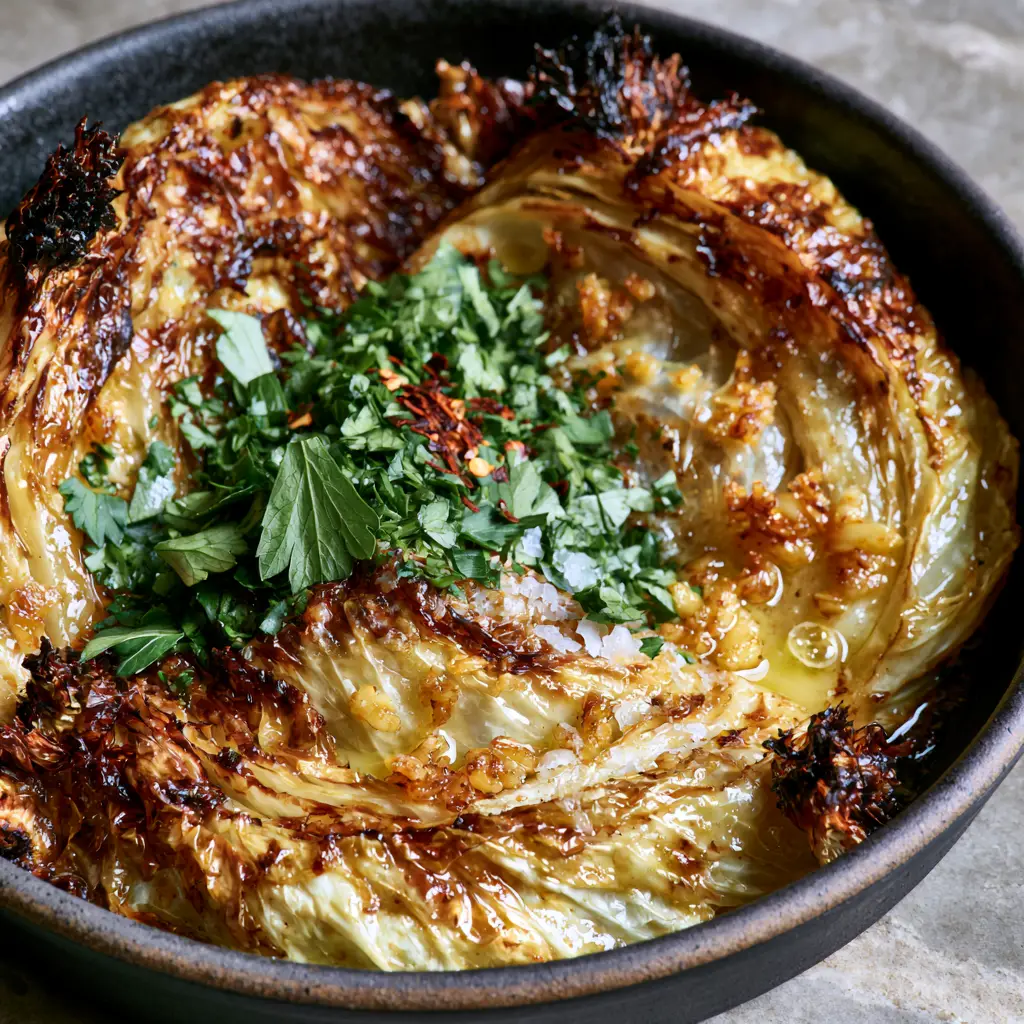
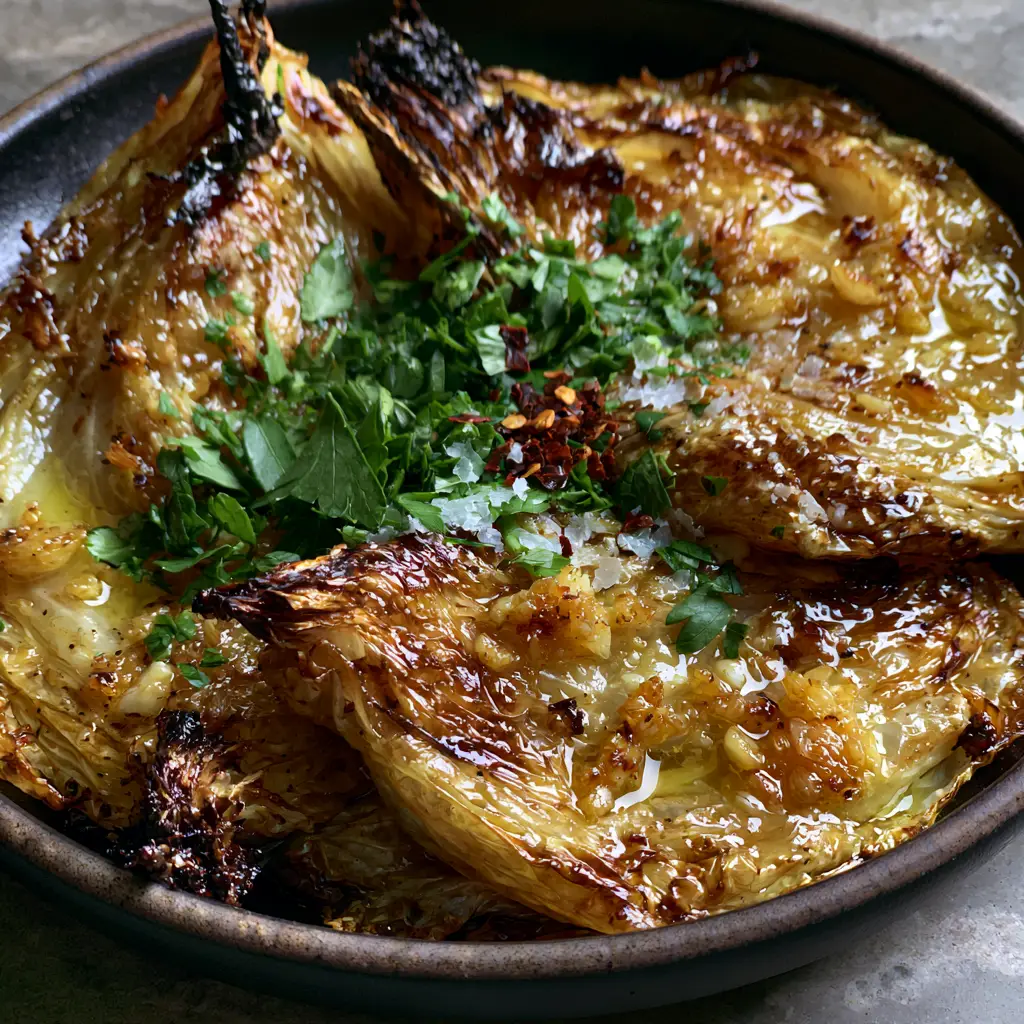
Imagine thick, hearty wedges of cabbage nestled into a rustic matte black ceramic dish, their outer leaves boasting deep golden-brown caramelized edges and slightly charred, crispy tips that shatter at the touch of a fork. The interior remains a contrast of soft, translucent layers that have soaked up every drop of a rich, glistening garlic butter sauce.
This isn’t just a side dish; it is a sensory experience defined by the aromatic punch of sautéed minced garlic and the vibrant freshness of flat-leaf parsley. Whether you are looking for a show-stopping vegetarian main or a robust side, this melting cabbage delivers a complexity of flavor that belies its simple preparation.
Why This Roasted Cabbage Strategy Wins Every Time
Achieving the perfect “melting” texture requires more than just tossing a vegetable in the oven; it requires understanding the structural breakdown of the cabbage leaf. By using a specific roasting technique, we ensure the core softens into a buttery consistency while the exterior develops that coveted Maillard reaction.
- Textural Duality: You get the crispy, paper-thin charred tips paired with a center so tender it practically dissolves.
- Infused Aromatics: The garlic butter isn’t just a topping; it’s a baste that seeps into every crevice and fold of the cabbage wedges.
- Visual Sophistication: The contrast between the vibrant green-to-translucent leaves and the dark matte ceramic dish makes this a photographer’s dream.
- Nutritional Powerhouse: High in fiber and vitamins, this dish proves that healthy eating can feel incredibly indulgent.
The Anatomy of Ingredients for Maximum Caramelization
Every ingredient in this melting cabbage recipe serves a functional purpose to reach the visual and flavor profile found in our forensic blueprint. We don’t just use fat; we use a combination of fats to manage smoke points and flavor depth.
1 Large Head of Green Cabbage: Choose a heavy, dense cabbage as the tight layers are essential for holding the garlic butter in their “crevices” during the roasting process.
4 tbsp (56g) Unsalted Butter: This provides the rich, mouth-coating quality and the “tiny pools of butter” mentioned in our visual guide.
2 tbsp (30ml) Extra Virgin Olive Oil: We mix this with the butter to raise the smoke point, ensuring the cabbage chars without the milk solids in the butter burning too quickly.
6 Cloves Garlic, Minced: These become the “golden sautéed minced garlic bits” that nestle between the leaves, providing an earthy, pungent counterpoint to the sweet cabbage.
1 tsp (2g) Red Pepper Flakes: Used sparingly to add a “pinch for color” and a subtle heat that cuts through the richness of the butter sauce.
1/4 cup (15g) Fresh Flat-Leaf Parsley: Finely chopped and added at the very end to maintain its “vibrant scatter” and fresh herbal aroma.
1 tsp (5g) Flaky Sea Salt: A light dusting of coarse salt provides a tactile crunch and pops of seasoning that elevate the natural sugars of the roasted cabbage.
Essential Tools for the Perfect Sear
To replicate the exact look of our melting cabbage, you need the right conductive surfaces. The choice of bakeware is not just aesthetic; it affects how heat is distributed to the bottom of the wedges.
A matte black ceramic baking dish is highly recommended because ceramic holds heat evenly, while the dark color aids in the browning of the bottom of the cabbage. If you don’t have ceramic, a heavy cast-iron skillet is a secondary professional choice for superior heat retention.
You will also need a sharp chef’s knife to slice through the dense core, ensuring the wedges stay intact. A small stainless steel saucepan is necessary for sautéing the garlic bits in butter before dousing the cabbage in that golden glaze.
The Step-by-Step Evolution of Melting Cabbage
Preparing the Cabbage Wedges for Success
Start by preheating your oven to 400°F (200°C). Remove any damaged outer leaves from the cabbage, but keep the core intact; the core is the anchor that prevents the “melting” layers from falling apart during the flip.
Slice the cabbage into 8 thick, even wedges. Place them in your matte black ceramic dish, ensuring they aren’t overcrowded so the hot air can circulate and create those “slightly charred, crispy tips.”
Crafting the Glistening Garlic Butter Glaze
In a small saucepan over medium heat, melt the 4 tbsp (56g) of butter along with the 2 tbsp (30ml) of olive oil. Add the minced garlic and sauté for about 2 minutes until the bits are fragrant and just beginning to turn golden-brown.
Do not let the garlic turn dark brown, as it will continue to cook in the oven and become bitter. Pour this rich mixture over the cabbage wedges, using a brush to ensure the “glistening garlic butter sauce” coats every visible surface and seeps into the interior layers.
The Roasting and Basting Process
Slide the dish into the oven and roast for 20 minutes. At this halfway point, use tongs to carefully flip the wedges; you should already see the beginnings of deep golden-brown edges on the side touching the ceramic.
Continue roasting for another 20-25 minutes. Look for the sensory cue of the cabbage becoming soft and translucent in the center while the edges turn dark and crispy. The smell of toasted brassica and nutty garlic should fill your kitchen.
Expert Tips for Culinary Excellence
- The Core Secret: Never cut out the core before roasting. It provides the structural integrity needed to handle the wedges without them turning into a pile of loose leaves.
- Managing Moisture: If your cabbage is particularly large and releasing too much water, increase the oven temp by 25 degrees for the last 5 minutes to ensure the tips get that “charred” finish.
- The Resting Period: Let the melting cabbage sit in the dish for 5 minutes after removing it from the oven. This allows the “tiny pools of butter” to be reabsorbed slightly into the soft interior.
- Salt Timing: Only apply the flaky sea salt at the very end. This preserves the crystal structure and prevents the salt from drawing out moisture prematurely during the roast.
Elevating the Meal: What to Serve with Melting Cabbage
This melting cabbage is a versatile star that pairs beautifully with bold flavors. If you are leaning into a plant-based evening, serve these wedges alongside a hearty Vegan Moroccan Stew to soak up the extra garlic butter sauce.
For those who crave a protein-heavy pairing, the richness of the cabbage complements the zip of Bang Bang Chicken Thighs. If you want to keep the meal light and elegant, a side of Lemon Whipped Ricotta spread on crusty bread provides a bright, creamy contrast to the charred edges.
Alternatively, if you’re serving a larger crowd, these wedges act as a fantastic textured side to a Creamy Beef Pasta, adding a necessary vegetable component that feels just as indulgent as the main course.
Frequently Asked Questions
Yes, simply swap the unsalted butter for a high-quality plant-based butter alternative that has a similar fat content.
Yes, but red cabbage is denser and may require an extra 5-10 minutes of roasting time to reach the ‘melting’ translucent stage.
Ensure the garlic is sautéed only until lightly golden before roasting, and tuck some bits between the leaves so they are protected from direct heat.
Absolutely. Cabbage is low in net carbs, and the fats from the butter and olive oil make it an ideal high-fat, low-carb side dish.
This usually happens if the wedges are overcrowded. Use a larger dish or two dishes to ensure airflow can reach the leaf tips for charring.
The Definitive Melting Cabbage Recipe
[Image-3]
Melting Cabbage with Searing Garlic Butter and Charred Edges
Ingredients
Equipment
Method
- Preheat your oven to 400°F (200°C). Remove outer leaves from the cabbage and slice into 8 thick wedges, keeping the core intact to hold the leaves together.
- In a small saucepan over medium heat, combine butter and olive oil. Sauté minced garlic for 2 minutes until fragrant and golden. Remove from heat.
- Place cabbage wedges in a matte black ceramic dish. Brush generously with the garlic butter mixture, ensuring it gets into the crevices.
- Roast for 20 minutes. Carefully flip each wedge using tongs to ensure even browning and caramelization on both sides.
- Roast for another 20-25 minutes until the tips are charred and crispy, and the centers are soft and translucent.
- Remove from oven. Scatter with finely chopped parsley, red pepper flakes, and a dusting of flaky sea salt before serving.
Notes
Use a dark ceramic dish to encourage deeper browning of the edges.
Final Thoughts on This Golden Roasted Delight
Bringing this melting cabbage to your table is a guaranteed way to change the mind of anyone who thinks cabbage is “boring.” Between the deep caramelization and the aromatic garlic butter, it hits every single flavor note required for a satisfying meal.
We invite you to try this technique and see the “soft and translucent” results for yourself. If you enjoyed this recipe, please leave a comment below and share your results! Don’t forget to follow us and save this pin to Pinterest for your next dinner party.