There is a specific kind of culinary magic that happens when humble pantry staples are transformed into a vibrant, restaurant-quality meal in under thirty minutes. This Mediterranean orzo and beans dish is the embodiment of that transformation. It captures the essence of coastal dining with its bright citrus notes, earthy legumes, and a sauce so silky it rivals any high-end risotto.
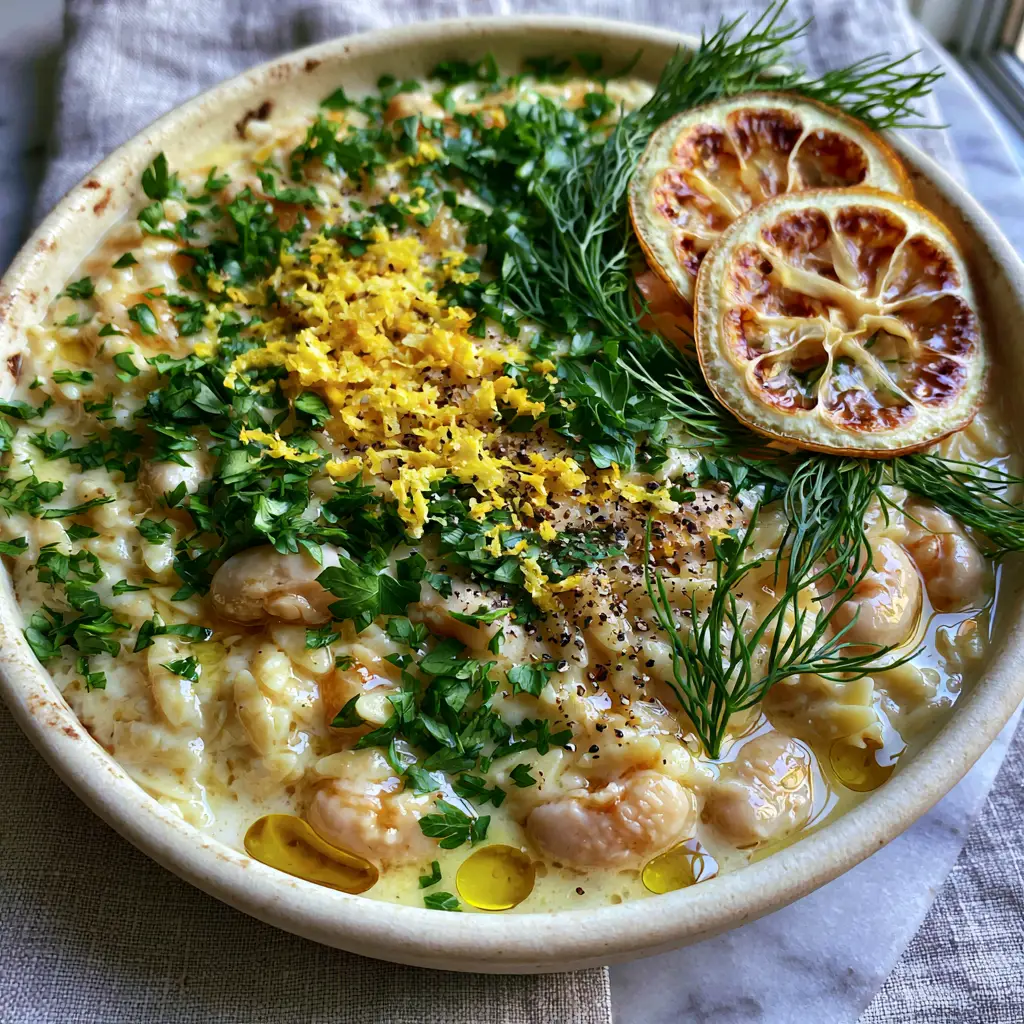
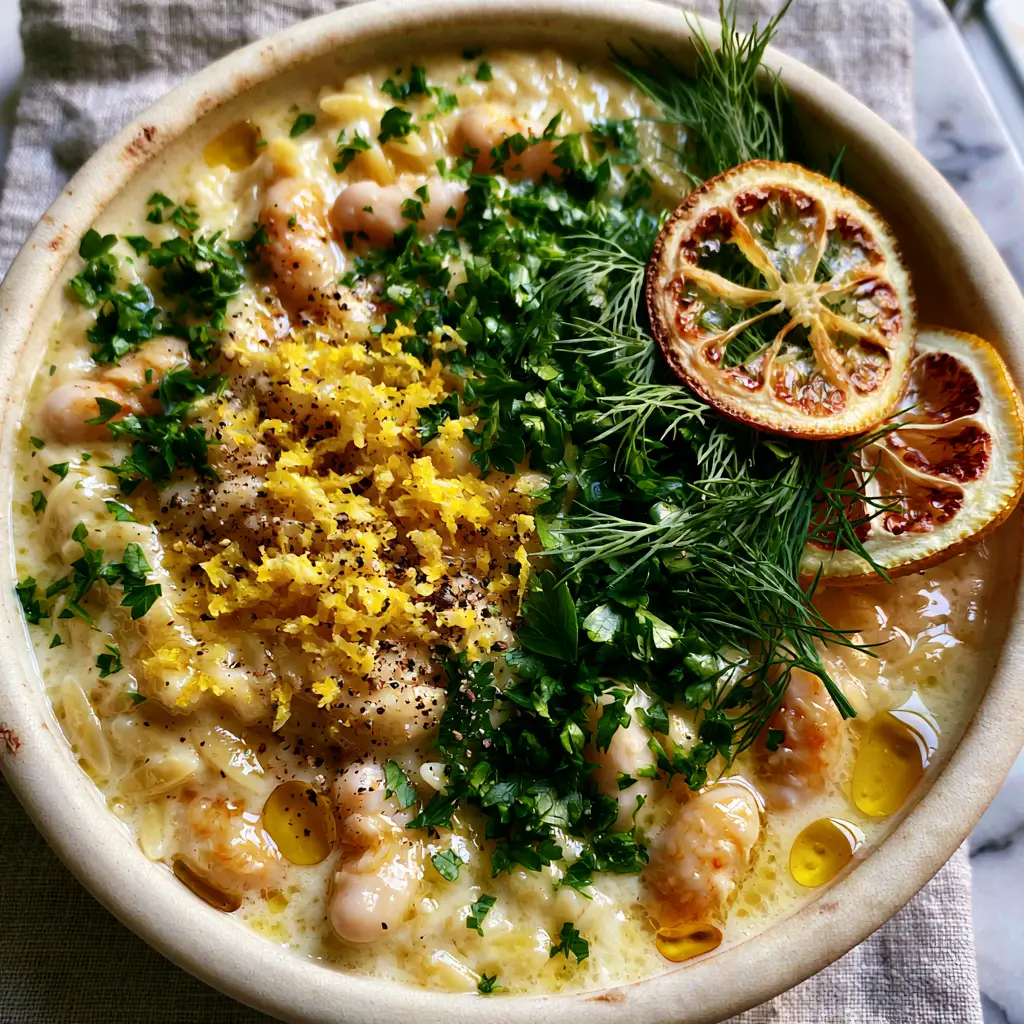
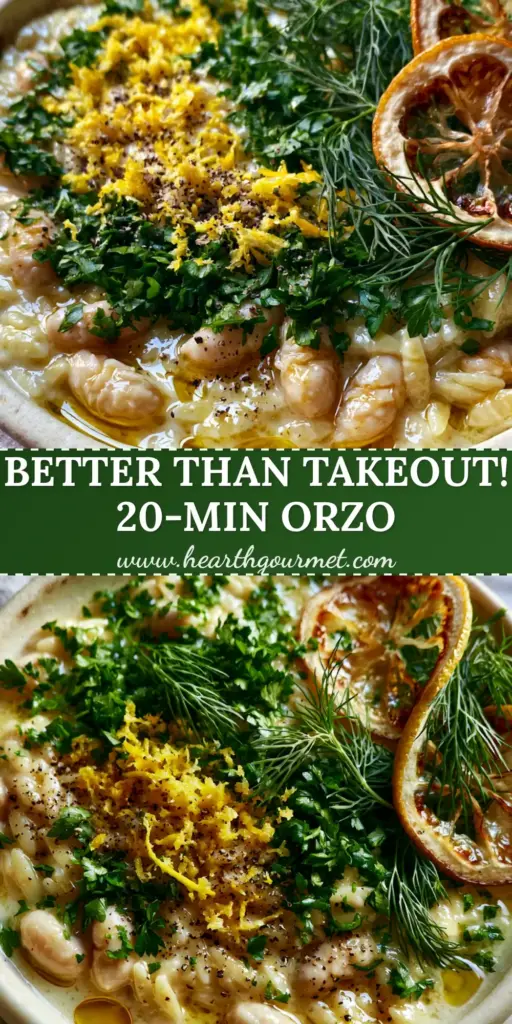
When you look at a bowl of this pasta, your eyes are immediately drawn to the contrast of colors and textures. You see the plump, tender cannellini beans nestled among grains of al dente orzo, all coated in a glossy, pale yellow lemon-butter sauce. The heavy garnish of feathery fresh dill and vibrant green parsley adds a forest-like freshness that balances the richness of the butter.
This recipe isn’t just about feeding your hunger; it’s about a sensory experience. From the sound of the lemon slices sizzling in the pan to the citrusy aroma that fills your kitchen, every step is designed to delight. Whether you are a seasoned home cook or a beginner, this Mediterranean orzo and beans will become a staple in your weekly rotation.
Why You Will Love This Creamy Mediterranean Pasta
- Perfectly Balanced Textures: You get the bite of al dente orzo combined with the creamy, melt-in-your-mouth interior of cannellini beans.
- Bright and Zesty Profile: The dual use of fresh lemon juice and charred lemon wheels creates a multi-layered citrus flavor that cuts through the buttery sauce.
- Nutrient-Dense Satisfaction: This dish is packed with plant-based protein and fiber, making it a filling meal that doesn’t leave you feeling heavy.
- Visual Showstopper: With the golden olive oil droplets and charred lemon garnishes, it looks like it was plucked straight from a professional food photography set.
Essential Ingredients for Your Mediterranean Orzo and Beans
Orzo Pasta (1 lb / 450g): This small, rice-shaped pasta is the heart of the dish. It releases just enough starch during cooking to help thicken our silky lemon sauce naturally.
Cannellini Beans (2 cans / 800g): These beans are chosen for their thin skins and creamy interiors. They provide the “plump” visual element and a punch of vegetarian protein.
Chicken or Vegetable Broth (4 cups / 960ml): Cooking the orzo directly in broth instead of water ensures every grain is seasoned from the inside out. Use a low-sodium version to control the final salt levels.
Unsalted Butter (4 tbsp / 56g): Butter is the key to that “glossy, pale yellow” finish described in our visual blueprint. It emulsifies with the lemon and starch to create a professional-grade sauce.
Fresh Lemons (3 large): You will need lemons for three distinct purposes: the juice for the sauce, the zest for the garnish, and thin wheels for pan-searing. Each application provides a different level of acidity.
Fresh Parsley and Dill (1 cup (30g) total): These aren’t just garnishes; they are foundational flavors. The dill provides a unique anise-like sweetness, while the parsley offers a clean, peppery finish.
Extra Virgin Olive Oil: A high-quality oil is essential for drizzling at the end. It adds those beautiful golden “glistening” droplets that signify a true Mediterranean dish.
Garlic (4 cloves): Finely minced garlic provides a baseline savory note that prevents the lemon from becoming too overwhelming.
Cracked Black Pepper and Sea Salt: Coarsely cracked pepper provides visual “specks” on the surface and a sharp heat that wakes up the palate.
Must-Have Tools for the Perfect Texture
To achieve the “al dente” and “silky” results we are looking for, a large enameled cast iron skillet or a deep sauté pan is your best friend. The wide surface area allows the liquid to evaporate at the correct rate, ensuring the orzo cooks through without becoming mushy.
A microplane or fine grater is essential for the “bright yellow lemon zest” that garnishes the final dish. You want long, delicate wisps of zest, not chunky pieces. Additionally, a sharp chef’s knife is required to achieve the “finely chopped” look for your herbs, ensuring they are evenly distributed.
Step-by-Step Instructions: Crafting the Creamy Lemon Orzo
Preparing the Charred Lemon Wheels
Before starting the pasta, we must create the signature visual element: the seared lemon wheels. Slice one lemon into very thin rounds, removing any seeds.
Heat 1 tablespoon (15ml) of olive oil in your skillet over medium-high heat. Place the lemon wheels in a single layer and sear for 1-2 minutes per side until the edges are caramelized and dark golden brown. Remove them from the pan and set aside.
Building the Flavor Base
In the same skillet, reduce the heat to medium and add 2 tablespoons (28g) of butter. Once melted and foaming, add the minced garlic. Sauté for about 60 seconds until you smell that characteristic nutty, savory aroma—be careful not to brown the garlic.
Add the dry orzo directly into the butter and garlic. Toast the pasta for 2 minutes, stirring constantly. You are looking for a slight golden hue on the orzo, which adds a deep, toasted flavor to the final Mediterranean orzo and beans.
The Slow-Simmer Technique
Pour in 3.5 cups (840ml) of the broth and bring it to a gentle simmer. Do not cover the pan. Stir frequently to prevent the orzo from sticking to the bottom. This stirring action is what coaxes the starch out of the pasta to create that “silky” sauce.
After about 8 minutes, the liquid should be mostly absorbed. Taste a grain of orzo; it should be firm but not crunchy. This is the “al dente” stage. If it is still too hard, add the remaining half-cup of broth.
Folding in the Beans and Emulsifying the Sauce
Gently fold in the rinsed cannellini beans. Add the remaining 2 tablespoons (28g) of butter and the juice of two lemons. Stir vigorously for 1 minute until the butter has completely melted into the liquid, forming a glossy, pale yellow emulsion.
Remove the pan from the heat. This is crucial—you do not want to cook the fresh herbs. Fold in half of the chopped parsley and dill. The residual heat will soften the herbs and release their oils without turning them brown.
Chef’s Secrets for Culinary Success
The Rinsing Rule: Always rinse your cannellini beans thoroughly in a colander until the water runs clear. The liquid in the can (aquafaba) is often too salty and can make the sauce look muddy rather than the “glossy” yellow we want.
Timing the Zest: Only zest your lemons right before serving. Once lemon zest is exposed to air, its volatile oils begin to evaporate, losing that punchy aroma. For the best Mediterranean orzo and beans, the zest should be the very last thing you add.
Consistency Control: If the pasta sits for more than five minutes after cooking, it will continue to absorb the sauce. If it looks too thick, simply stir in a splash of warm broth or water to loosen it back up to that “silky” consistency.
Preserving Freshness: Storage and Reheating
This dish is best enjoyed immediately to appreciate the “al dente” texture. However, leftovers can be stored in an airtight container in the refrigerator for up to 3 days. The orzo will absorb more sauce as it sits.
To reheat, do not use the microwave if possible. Place the pasta in a small saucepan with a splash of broth or milk over medium-low heat. Stir constantly until the sauce becomes creamy again. Refresh the flavor with a squeeze of fresh lemon and a new sprinkle of herbs.
What to Serve With This Mediterranean Feast
This Mediterranean orzo and beans is a complete meal on its own, but it also pairs beautifully with other regional favorites. For a light lunch, serve it alongside a crisp Mediterranean Pasta Salad or a side of Oven-Baked Italian Eggplant.
If you are serving this as part of a larger dinner spread, consider adding some protein-heavy starters like a classic tomato bruschetta or a warm Baked Burrata. For those who love orzo in all its forms, comparing this to a Tomato Spinach and Bacon Orzo can be a fun way to explore different flavor profiles.
Frequently Asked Questions
Yes! Simply substitute the butter with a high-quality vegan butter or additional extra virgin olive oil, and ensure you use vegetable broth.
In a pinch, yes, but the visual and flavor profile will change significantly. Use 1/3 the amount of dried herbs compared to fresh, and add them earlier in the cooking process.
Cook the orzo uncovered and stir frequently. Start tasting for an ‘al dente’ texture around the 8-minute mark, and remove from heat immediately once reached.
Cannellini beans are best because of their creamy texture. However, chickpeas or Great Northern beans also work well if you prefer more of a bite.
Searing caramelizes the sugars in the lemon, reducing the sharp bitterness of the rind and adding a smoky, sweet depth to the final dish.
The Ultimate Mediterranean Orzo and Beans Recipe
Mediterranean orzo and beans with Silky Lemon Herb Sauce
Ingredients
Equipment
Method
- In a large skillet, sear lemon wheels in olive oil over medium-high heat until edges are caramelized and charred. Set aside.
- Melt 2 tbsp butter in the same pan. Sauté minced garlic for 1 minute, then add dry orzo and toast for 2 minutes until slightly golden.
- Add broth to the pan. Simmer uncovered, stirring frequently, for 8-10 minutes until orzo is al dente and liquid is mostly absorbed.
- Fold in beans, remaining butter, and lemon juice. Stir vigorously to create a silky, glossy sauce. Remove from heat.
- Fold in half the herbs. Top with charred lemon wheels, lemon zest, cracked black pepper, and a heavy drizzle of olive oil.
Notes
If the sauce thickens too much, add a splash of warm broth before serving.
Closing & Call to Action
Mastering the Mediterranean orzo and beans is a gateway to effortless, elegant home cooking. By focusing on high-quality ingredients and the simple “char and emulsify” technique, you can bring a taste of the Mediterranean coast into your own kitchen. This dish proves that healthy eating doesn’t have to be boring—it can be vibrant, creamy, and incredibly satisfying.
Did you try this recipe? We want to see your results! Leave a comment below and tell us how yours turned out. Don’t forget to follow us on Pinterest and share this recipe with your fellow home cooks!