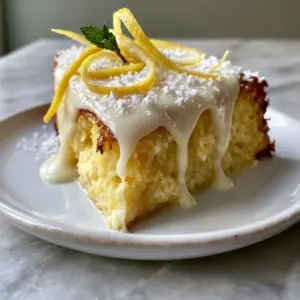
There is something inherently magical about the way a Limoncello Ricotta Cake captures the essence of a sun-drenched Italian afternoon. This isn’t your standard airy sponge; it is a sophisticated, dense golden ricotta cake crumb masterpiece that prioritizes texture and flavor intensity above all else. Every slice offers an experience of “impossibly moist” decadence, punctuated by tiny, creamy pockets of ricotta cheese that melt on the tongue.
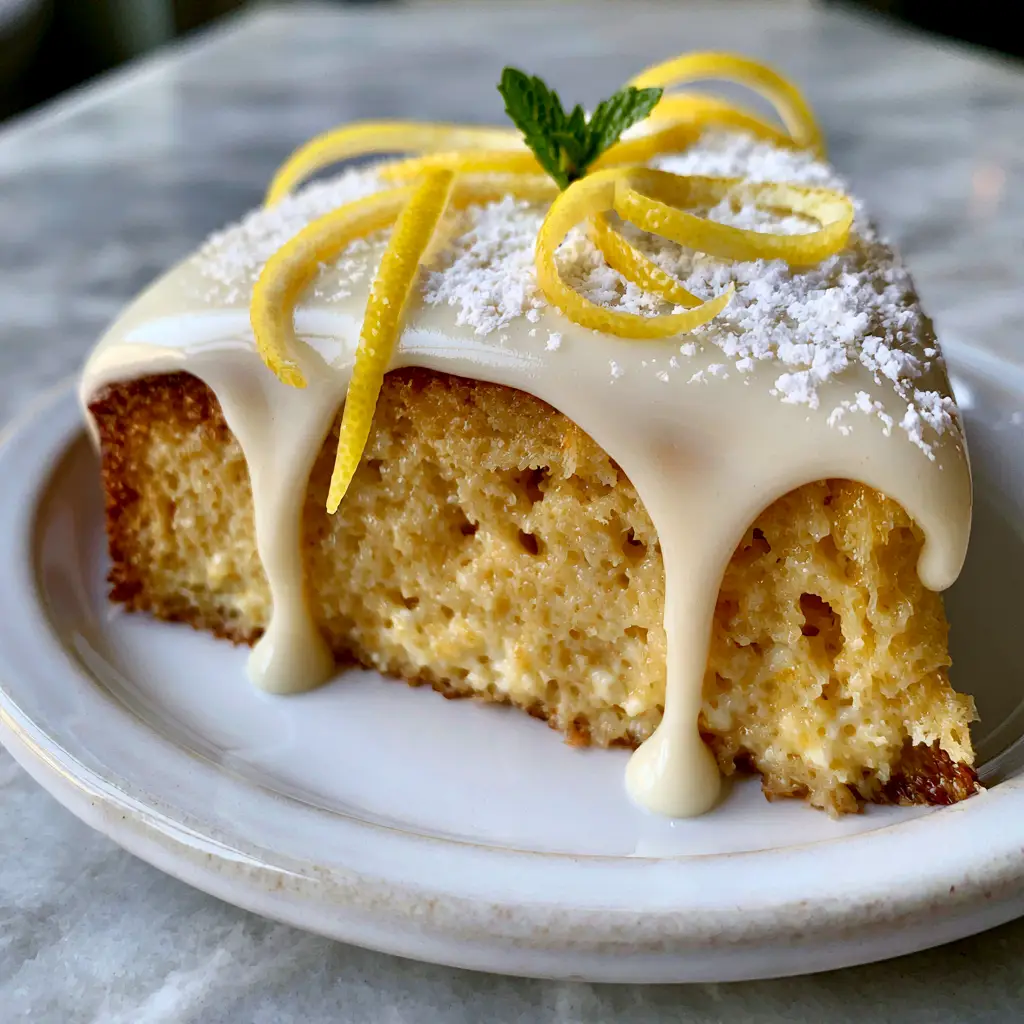
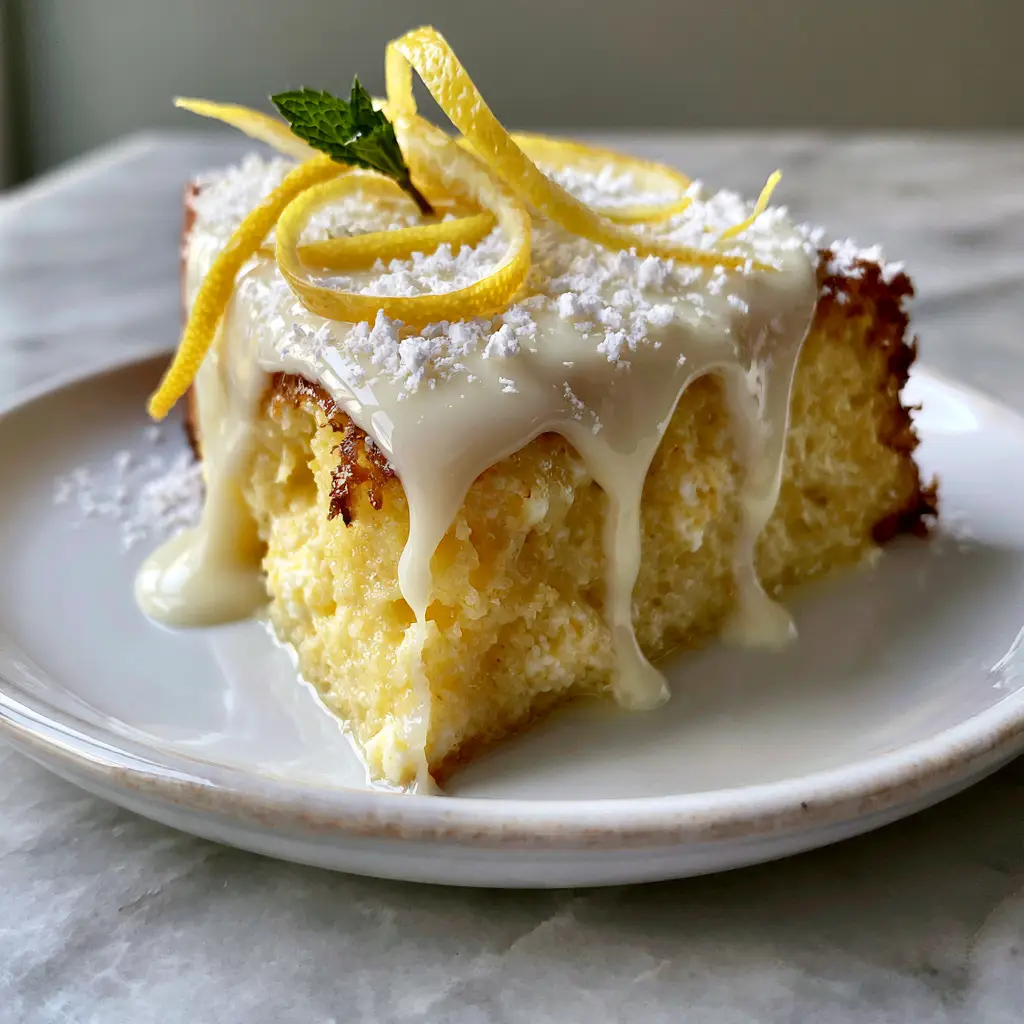
Imagine a macro, eye-level view of a thick, generous slice resting on a rustic white ceramic plate. The cake glows with a deep golden-yellow hue, topped with a heavy, opaque ivory Limoncello glaze that is thick enough to hold its shape as it slowly cascades down the sides in luscious drips. Finished with long, elegant curls of bright yellow lemon zest, a fine veil of snowy powdered sugar, and a single tiny sprig of fresh mint for color contrast, this cake is as visually stunning as it is delicious.
Whether you are looking for a show-stopping end to a dinner party or a luxurious brunch centerpiece, this recipe delivers professional-grade results from a home kitchen. The bright acidity of the citrus balances the rich, fatty notes of the cheese, creating a harmonious bite that calls for one more forkful. If you love citrus-forward desserts, you might also enjoy our limoncello tiramisu for a no-bake alternative.
Why This Limoncello Ricotta Cake Works Every Single Time
- Unrivaled Texture: The combination of whole milk ricotta and room-temperature butter creates a crumb that is dense yet tender, far surmounting the crumb structure of traditional butter cakes.
- Double Citrus Punch: We use both fresh lemon zest and premium Limoncello liqueur to ensure the flavor is multidimensional and vibrant.
- The Opaque Glaze Factor: Unlike thin washes, our ivory glaze is engineered to be thick and stable, providing that iconic “slow drip” visual confirmed by the forensic blueprint.
- Garnish Elegance: The addition of long zest curls and a mint sprig transforms a simple cake into a high-end patisserie-style dessert.
Essential Ingredients for a Golden Italian Crumb
The Foundation: Flour and Leavening
You will need 2 cups (250g) of all-purpose flour to provide the necessary structure for the heavy ricotta. To ensure the cake rises despite its density, we include 1 tsp (5g) of baking powder and 1/2 tsp (3g) of baking soda for the perfect lift.
The Moisture: Whole Milk Ricotta Cheese
For those “tiny, creamy pockets” seen in the visual prompt, use 1.5 cups (375g) of full-fat, whole milk ricotta. Avoid part-skim varieties, as the fat content is crucial for the “impossibly moist” texture that defines this Limoncello Ricotta Cake.
The Flavor: Fresh Lemons and Limoncello
We require the zest of 3 large lemons and 1/4 cup (60ml) of high-quality Limoncello liqueur. The alcohol acts as a flavor enhancer, while the zest provides the bright, aromatic oils that give the cake its deep yellow personality.
The Richness: Butter and Eggs
Use 3/4 cup (170g) of unsalted butter, softened to room temperature, and 3 large (150g) eggs. Softened butter is essential for proper creaming, which traps air and prevents the cake from becoming a leaden brick. Like in our spinach and ricotta lasagna, quality dairy makes all the difference.
The Glaze Ingredients
To achieve the heavy, opaque ivory look, you need 2 cups (240g) of sifted powdered sugar mixed with 2 tbsp (30ml) of Limoncello and 1 tbsp (15ml) of heavy cream. The cream is the “invisible” ingredient that ensures the glaze stays white and thick rather than turning translucent.
The Professional Tool Kit
To achieve the specific visual results of the blueprint, you need a 9-inch (23cm) springform pan. This allows for clean removal without damaging the delicate, moist sides of the cake. A microplane is necessary for the fine zest inside the cake, while a channel knife or vegetable peeler is required to create those long, elegant curls of lemon zest for the garnish. Finally, a fine-mesh sieve is mandatory for achieving that “fine veil of snowy powdered sugar” across the top.
Constructing the Perfect Limoncello Ricotta Cake
Step 1: Preparing the Pan and Oven
Preheat your oven to 350°F (175°C). Grease your springform pan thoroughly with butter and line the bottom with parchment paper. This ensures the deep golden-yellow base releases perfectly, maintaining the structural integrity of the crumb.
Step 2: Creaming the Butter and Sugar
In a large bowl, beat the softened butter and 1 cup (200g) of granulated sugar together for at least 3-5 minutes. Look for the mixture to turn pale and fluffy; this is the primary way we introduce air into a naturally dense cake. Add the lemon zest early in this process so the sugar can rub the oils out of the zest, intensifying the citrus aroma.
Step 3: Incorporating the Ricotta and Eggs
Add the eggs one at a time, beating well after each addition. Once smooth, fold in the whole milk ricotta and the 1/4 cup (60ml) of Limoncello. The batter may look slightly curdled at this stage due to the ricotta’s texture, but this is normal and leads to those beautiful creamy pockets after baking.
Step 4: Folding the Dry Ingredients
Gently fold in the flour, baking powder, baking soda, and a pinch of salt. Use a spatula to incorporate until just combined. Over-mixing will develop gluten, which would ruin the “impossibly moist” mouthfeel we are aiming for. The batter should be thick, pale yellow, and fragrant.
Step 5: The Golden Bake
Pour the batter into the prepared pan and smooth the top. Bake for 45-55 minutes. You are looking for a specific visual cue: the edges should be a deep golden-brown, and the center should be set but slightly springy to the touch. A toothpick inserted should come out with a few moist crumbs attached, confirming the dense golden ricotta cake crumb is ready.
Step 6: Crafting the Opaque Limoncello Glaze
While the cake cools completely, whisk together the powdered sugar, Limoncello, and heavy cream. The consistency must be thick—like molten lava. If it’s too thin, it will soak into the cake; we want it to sit on top and drip slowly. Once the cake is cold, pour the glaze over the center and let it naturally migrate toward the edges.
Step 7: The Final Flourish
Before the glaze fully sets, arrange your long curls of fresh lemon zest in a decorative pile in the center. Use your sieve to dust the fine powdered sugar over the top, then place the single tiny sprig of fresh mint. This provides the professional color contrast described in the visual prompt.
Expert Tips for Visual and Flavor Perfection
- Room Temperature is Key: Ensure your eggs, butter, and ricotta are all at room temperature. This creates an emulsion that traps air, preventing the cake from becoming overly oily or heavy.
- The Sift Step: Always sift your powdered sugar for the glaze. Even tiny lumps will be visible in the opaque white finish, ruining the “ivory” aesthetic.
- Zest Technique: For the longest curls, pull a channel knife across the entire length of the lemon in one fluid motion. Soak the curls in ice water for 5 minutes to make them extra springy and bright.
- Cooling Patience: Never glaze a warm cake. If the cake is warm, the glaze will melt and become transparent, losing the thick, heavy appearance required for this Limoncello Ricotta Cake.
Pairing and Presentation Ideas
This cake is a versatile perfect party dish recipe that pairs beautifully with various beverages. Serve it alongside a glass of chilled Limoncello or a crisp espresso. If you are hosting a full Italian-themed dinner, start with a hearty Greek avgolemono soup (the lemon connection is wonderful) and follow with a rich roasted butternut squash soup for a contrasting earthy flavor profile.
Storage, Reheating, and Freezing
Storage: Because of the high moisture content from the ricotta, this cake should be stored in an airtight container in the refrigerator for up to 5 days. The flavor actually improves on day two as the Limoncello permeates the crumb.
Freezing: You can freeze the unglazed cake for up to 3 months. Wrap it tightly in plastic wrap and then aluminum foil. Thaw overnight in the fridge before adding the fresh glaze and garnishes.
Reheating: While best served at room temperature, a quick 10-second zap in the microwave can refresh the “moist interior texture” if the cake has been refrigerated.
Common Questions About Italian Ricotta Cakes
While mascarpone is a possible substitute, it will change the texture. Ricotta is unique because of its slight graininess and creamy pockets, which are essential for this specific recipe.
Yes, any high-quality store-bought Limoncello works perfectly. The alcohol provides a bright citrus lift and helps tenderize the crumb.
Most of the alcohol in the batter evaporates during baking, leaving behind the flavor. However, the glaze contains raw Limoncello, which retains its alcohol content.
Use a channel knife on a fresh, firm lemon. Press firmly and pull in a long, continuous motion around the circumference of the fruit.
Italian ricotta cakes are naturally denser than sponge cakes. The density comes from the cheese and butter, which provides a rich, moist texture rather than an airy one.
The Ultimate Limoncello Ricotta Cake Recipe
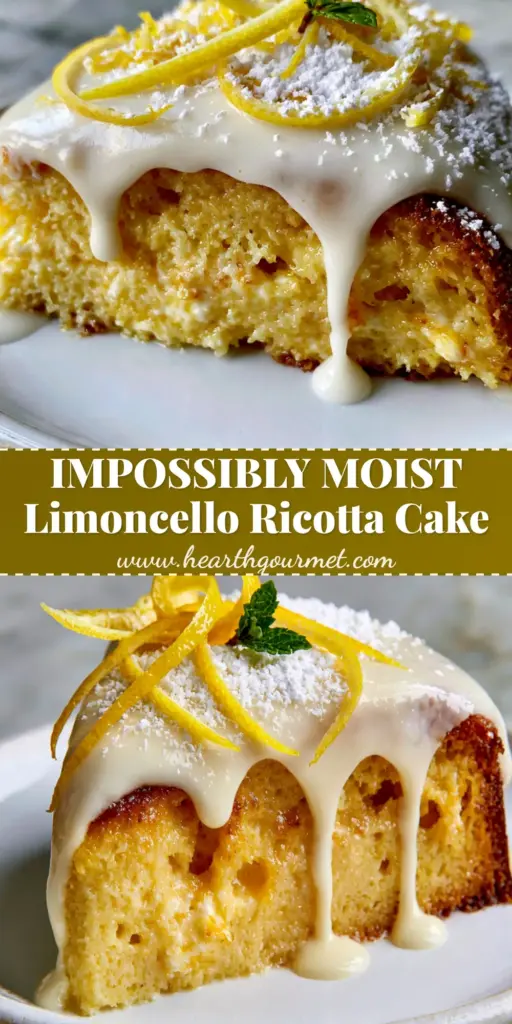
Limoncello Ricotta Cake: The Secret to a Perfectly Moist Italian Dessert
Ingredients
Equipment
Method
- Preheat oven to 350°F (175°C) and prep a 9-inch springform pan with butter and parchment.
- Cream butter, sugar, and fine lemon zest for 5 minutes until pale and fluffy.
- Beat in eggs and ricotta, then fold in dry ingredients until just combined to keep the crumb tender.
- Bake for 50 minutes until edges are deep golden and center is springy.
- Whisk glaze ingredients into a thick ivory paste and pour over the cooled cake. Garnish with long zest curls, powdered sugar, and mint.
Notes
Use full-fat ricotta to achieve the visible creamy pockets.
Sharing the Italian Zest
This Limoncello Ricotta Cake is more than just a dessert; it is a celebration of texture and bright, sun-filled flavors. By following the visual cues—from the deep golden crumb to the thick, ivory drips—you ensure a professional result that will impress any guest. We invite you to share your baking results and tag us in your photos! Don’t forget to follow us on Pinterest for more culinary inspiration and save this recipe to your favorite dessert boards.