There is a profound sense of nostalgia that comes with a bowl of vintage soups and stews. It is the smell of a slow-simmering kitchen on a Sunday afternoon, where time seems to stand still while flavors deepen and intensify. This specific recipe isn’t just a meal; it’s a culinary heirloom designed to recreate that perfect, glossy mahogany finish we often see in heritage cookbooks.
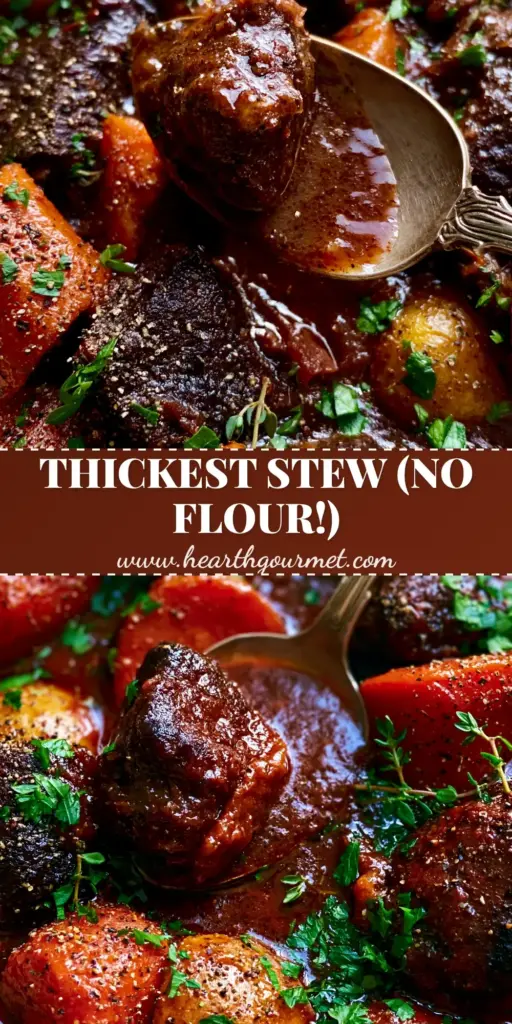
Imagine a rustic ceramic bowl filled to the brim with fork-tender beef and vibrant vegetables. A vintage silver spoon lifts a heavy chunk of meat, dripping with a sauce so thick it coats the metal like velvet. This is the hallmark of professional vintage soups and stews: a commitment to the sear, the reduction, and the patience of a slow braise.
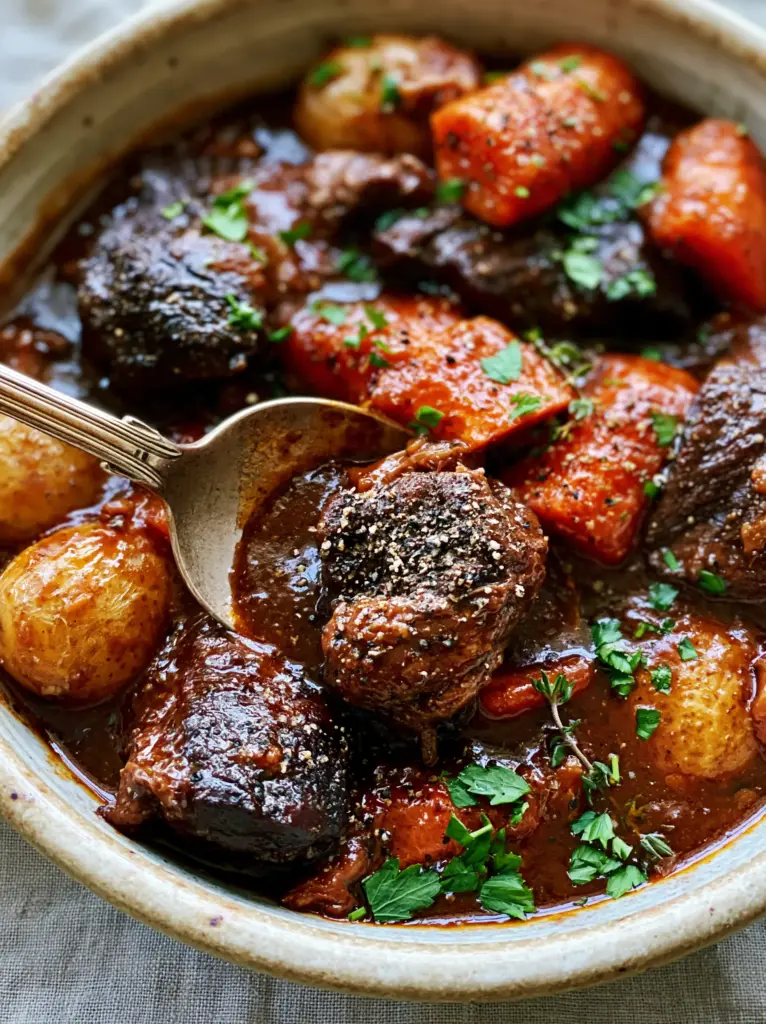
Why This Heritage Beef Stew Stands Out
- The Maillard Masterclass: We achieve a deeply seared, dark brown crust on every beef chunk, providing the foundation for the mahogany gravy.
- Textural Harmony: By using skin-on gold potatoes and chunky carrots with softened edges, we maintain a rustic, “hand-cut” visual appeal.
- The Glossy Reduction: Unlike thin broths, this sauce is a rich, glossy reduction that clings to every ingredient.
- Aromatic Depth: Fresh thyme sprigs and pearl onions provide layers of flavor that transport you back to a 1940s farmhouse kitchen.
Essential Components for a Rich Mahogany Gravy
Beef Chuck Roast (900g / 2 lbs): Choose a well-marbled cut and cube it into large, 1.5-inch chunks. This fat content is vital for that “melting” texture found in the best vintage soups and stews.
Gold Potatoes (450g / 1 lb): We keep the skins on these baby golds to provide a rustic texture and prevent them from disintegrating. The yellow flesh stays creamy while holding its shape during the long simmer.
Chunky Carrots (300g / 3 large): Peel and cut these into large, 1-inch rounds. We want them to have softened, rounded edges by the time the beef is tender, mimicking the look of long-stewed root vegetables.
Pearl Onions (150g / 1 cup): These provide little bursts of sweetness throughout the stew. Whether fresh or frozen, they are a classic staple of high-end vintage soups and stews.
Beef Bone Broth (710ml / 3 cups): Using a high-quality broth ensures a deep, dark color. This is the liquid base that will eventually reduce into our signature mahogany sauce.
Tomato Paste (30g / 2 tbsp): This is our secret for visual depth. It caramelizes against the bottom of the pot, darkening the gravy to that sought-after dark brown hue.
Fresh Herbs & Spices: We use fresh thyme sprigs and flat-leaf parsley for brightness. A heavy dusting of freshly cracked black pepper adds both visual “grit” and a sharp floral heat.
The Tools of the Trade
To achieve the results of professional vintage soups and stews, you need a heavy-bottomed vessel. A 5-quart (4.7L) cast iron Dutch oven is the gold standard here because it retains heat evenly for searing and braising.
You will also need a sharp chef’s knife for those chunky vegetable cuts and a wooden spoon for deglazing. Finally, for serving, find a rustic ceramic bowl and a vintage silver spoon to truly capture the aesthetic of this timeless dish.
How to Master the Slow-Simmered Sear and Reduction
Achieving the Perfect Deep-Brown Sear
Pat your beef chunks extremely dry with paper towels. Heat 2 tbsp (30ml) of high-smoke-point oil in your Dutch oven until it wisps with smoke.
Sear the beef in batches, ensuring they don’t touch. You are looking for a dark, chocolatey-brown crust on at least three sides; this is where the “mahogany” color of your gravy actually begins.
Building the Flavor Foundation
Remove the beef and add your pearl onions to the rendered fat. Sauté until they show golden brown spots, then stir in your tomato paste.
Cook the paste for 2 minutes until it turns a shade darker. This “pincing” technique is essential for the depth of flavor required in authentic vintage soups and stews.
The Deglazing and Braising Process
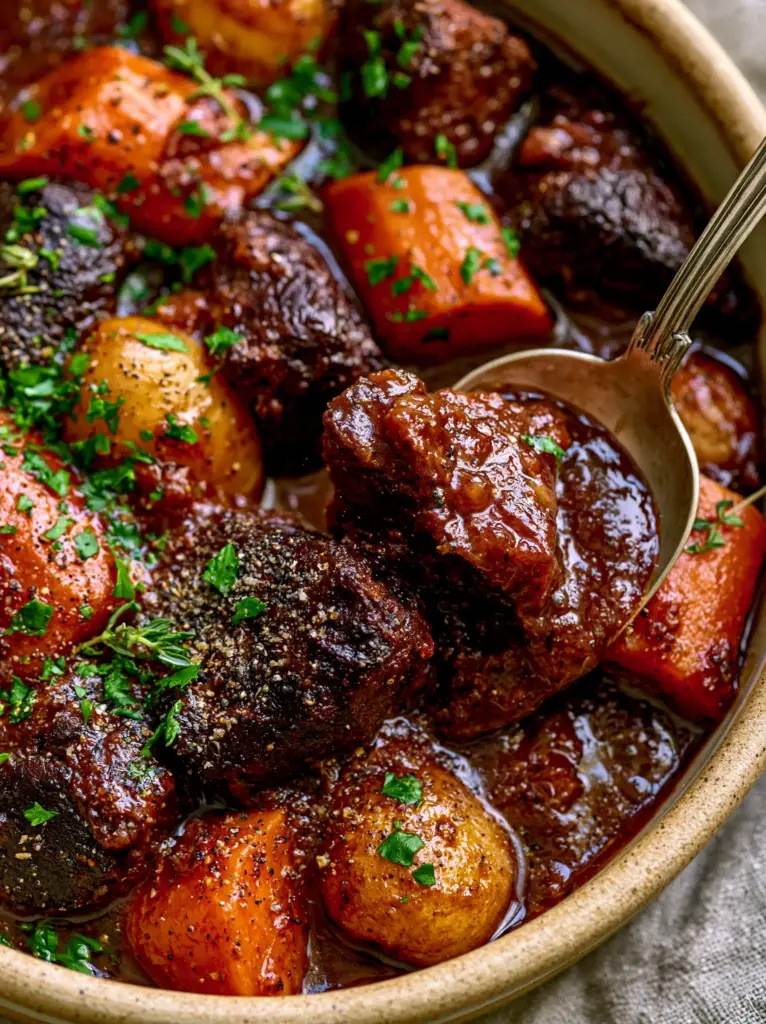
Pour in 1/2 cup (120ml) of red wine or a splash of broth to scrape up the “fond” (the brown bits) from the bottom of the pot. Return the beef to the pot along with the remaining broth and thyme sprigs.
Lower the heat to a bare simmer. If you enjoy historical recipes, you might recognize this slow-and-low approach from the Outlander Kitchen cookbook techniques used for hearty highland meals.
Integrating the Root Vegetables
After 90 minutes of simmering, add your skin-on gold potatoes and chunky carrots. The carrots should simmer until their edges soften into vibrant orange rounds.
Continue cooking for another 45-60 minutes. You will know it’s ready when a fork slides into the beef with zero resistance, and the sauce has naturally reduced into a glossy coating.
Expert Tips for Success
- Don’t Rush the Reduction: If your sauce is too thin, remove the lid for the last 20 minutes of cooking. The evaporation will concentrate the sugars and proteins into a thick, mahogany glaze.
- The Flour Dusting: For an extra-thick sauce, toss your beef chunks in 2 tbsp (15g) of flour before searing. This creates a built-in thickener as the stew simmers.
- Visual Garnish: Always add your chopped flat-leaf parsley and extra cracked pepper at the very last second. The contrast of bright green against the dark sauce is what makes vintage soups and stews so appetizing.
- Salt Timing: Season as you go, but do a final salt check only at the end. As the sauce reduces, the saltiness will concentrate.
Preserving Your Stew: Storage and Reheating
Like many classic comfort soups, this beef stew actually tastes better the next day. The flavors continue to meld in the refrigerator.
Store in an airtight container for up to 4 days. When reheating, add a splash of water or broth to loosen the glossy sauce, as it will thicken significantly when cold. Avoid the microwave if possible; a gentle warm-up on the stovetop preserves the texture of the softened carrots.
What to Pair with Old-Fashioned Stew
A stew this rich demands a side that can soak up every drop of that mahogany gravy. A thick slice of crusty sourdough is traditional, but you can also serve it alongside Pioneer Woman’s comfort food staples for a full-table feast.
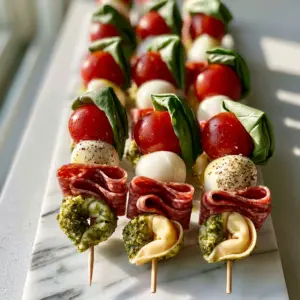
If you’re looking for a lighter start to the meal, consider serving small prosciutto-wrapped mozzarella bites as an appetizer. The saltiness of the ham prepares the palate for the savory depth of the beef.
Frequently Asked Questions
Yes! Frozen pearl onions are actually preferred by many chefs as they are already peeled and maintain a perfect spherical shape in the stew.
Allow the stew to reduce naturally by simmering uncovered during the final 30 minutes. This concentrates the natural gelatin from the beef chuck roast.
Beef chuck roast is the gold standard. It has the perfect ratio of fat and connective tissue to become fork-tender during a long braise.
The color comes from two places: a very deep, dark sear on the beef chunks (the Maillard reaction) and caramelizing the tomato paste before adding your liquids.
Skin-on potatoes hold their structural integrity much better during a 3-hour simmer and add a rustic, vintage aesthetic to the finished dish.
The Master Recipe: Vintage Beef Stew with Mahogany Gravy
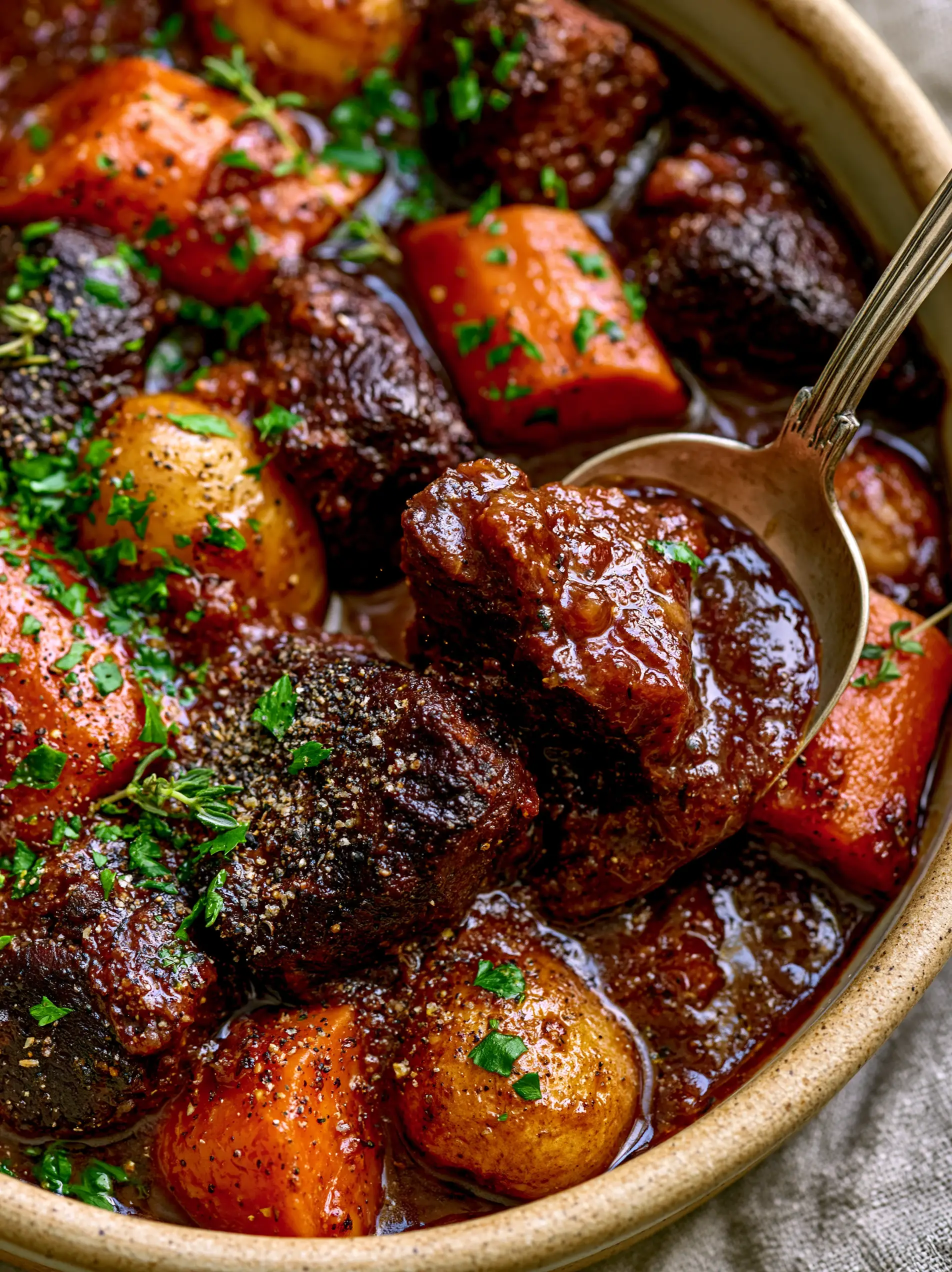
Vintage Soups and Stews: The Ultimate Old-Fashioned Beef Stew
Ingredients
Equipment
Method
- Pat beef dry and sear in batches in hot oil until a deep, dark brown crust forms on all sides. Remove beef and set aside.
- Add pearl onions to the pot, sautéing until golden. Stir in tomato paste and cook for 2 minutes until mahogany-colored.
- Pour in a splash of broth to deglaze the pot, scraping up all brown bits. Return beef and add remaining broth and thyme.
- Cover and simmer on low for 90 minutes until beef begins to soften.
- Add chunky carrots and skin-on gold potatoes. Simmer for another 45-60 minutes uncovered if a thicker reduction is desired.
- Discard thyme stems. Stir in fresh parsley and top with a heavy dusting of cracked black pepper before serving in rustic bowls.
Notes
Leaving the skin on gold potatoes prevents them from falling apart during the long braise.
Closing & Call to Action
Mastering vintage soups and stews is a rite of passage for any home cook. The combination of deeply seared beef, chunky softened carrots, and that unmistakably thick mahogany sauce creates a meal that feels like a warm hug from the past.
Did you achieve that perfect glossy sheen on your gravy? We want to hear about your results! Leave a comment below or share your gorgeous stew photos with us on Pinterest. Don’t forget to subscribe to our newsletter for more heritage-inspired recipes!