There is a specific kind of magic that happens when the temperature climbs and the kitchen becomes a place for assembly rather than intense heat. This summer pasta is the embodiment of that seasonal shift, offering a sophisticated, restaurant-quality meal that requires only the time it takes to boil a pot of water. Imagine a bowl of perfectly al dente spaghetti, glistening under the golden glow of late afternoon sun, coated in a sauce so silky you would swear there was heavy cream involved.
But the secret is in the science of the emulsion, not the dairy. This dish is built on the foundations of high-quality extra virgin olive oil and freshly squeezed lemon juice, whisked into a pale yellow, glossy coating that clings to every strand of pasta. It is bright, sharp, and deeply refreshing, designed to be eaten at room temperature or slightly chilled, making it the ultimate solution for high-summer entertaining or a quiet, breezy weeknight dinner.
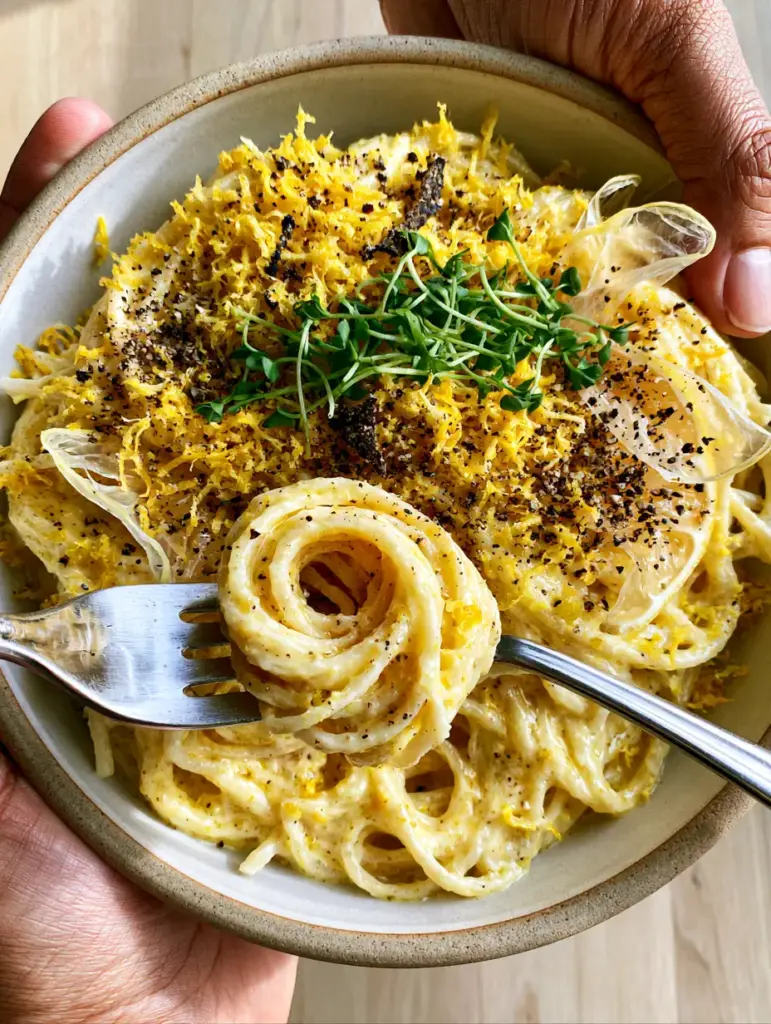
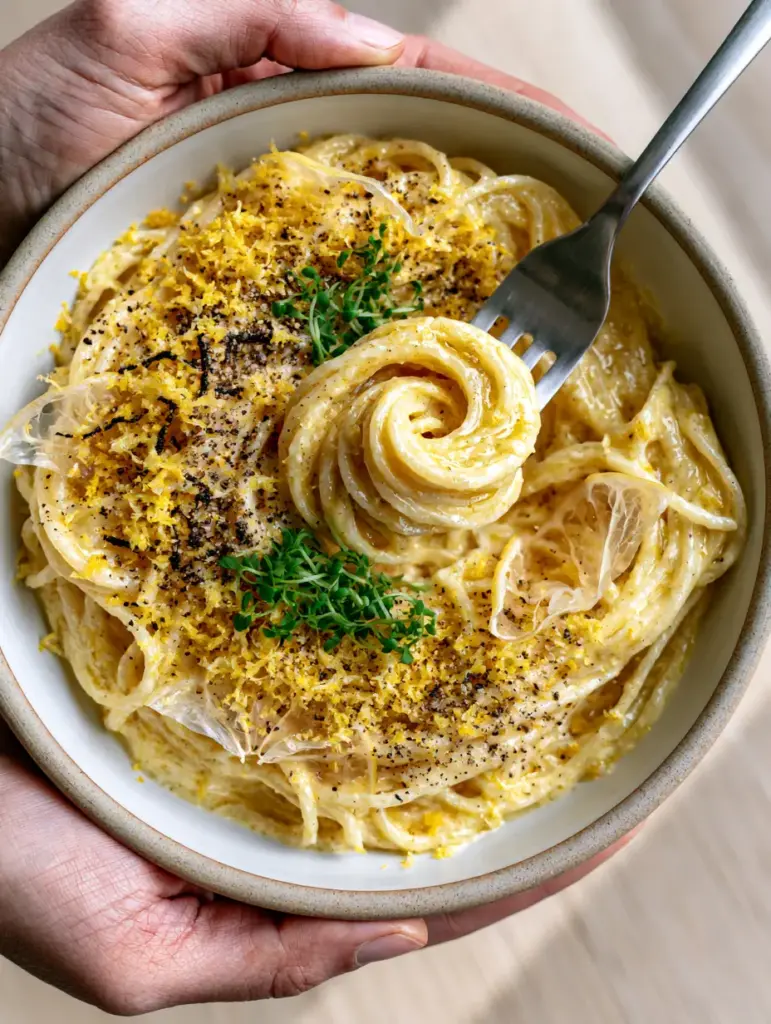
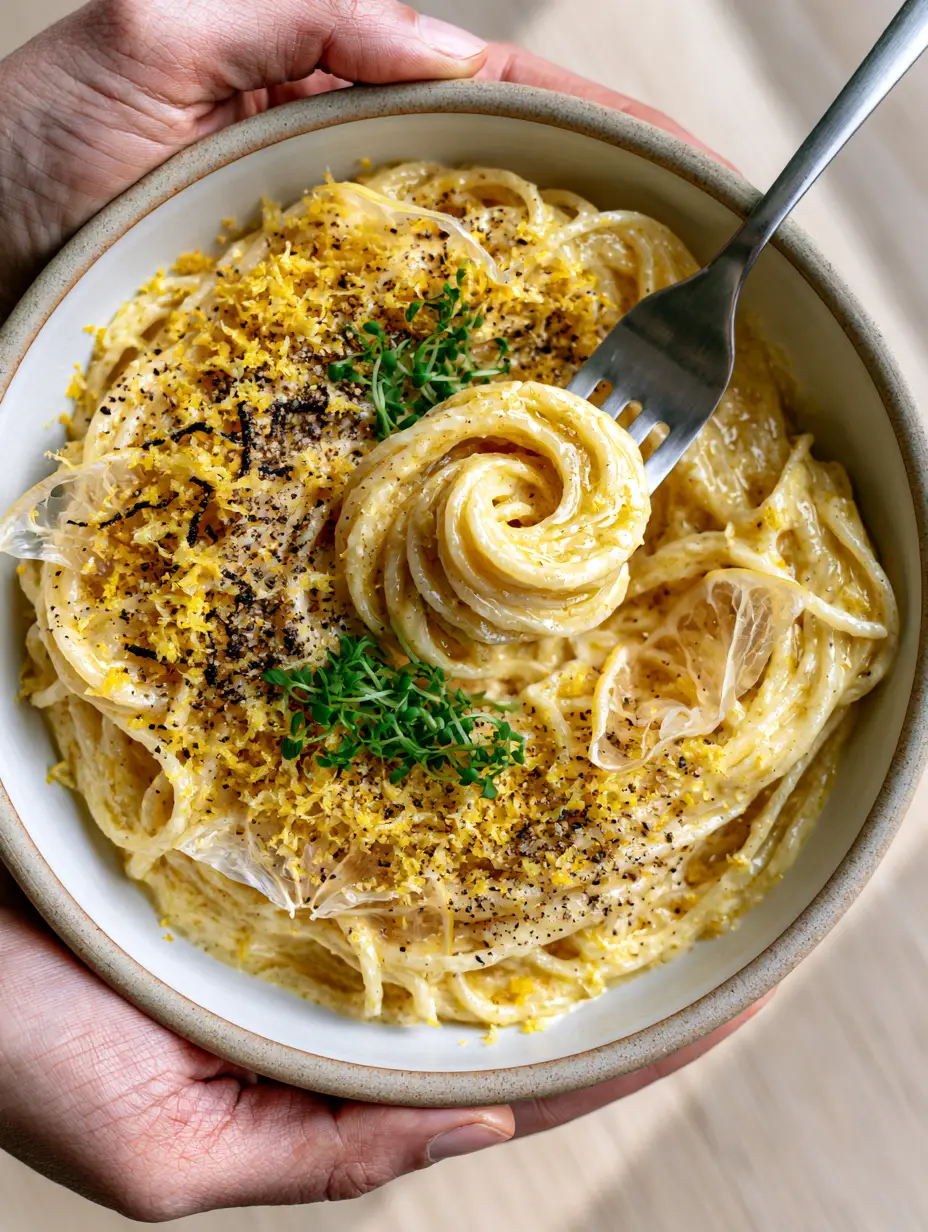
Every bite of this summer pasta offers a landscape of textures, from the snap of the cracked peppercorns to the delicate, paper-thin lemon wheels that soften into the folds of the spaghetti. The addition of micro-basil provides a concentrated burst of herbal sweetness, while flakey sea salt elevates the citrus notes to the forefront of the palate. This is a recipe that proves simplicity, when executed with precision and high-quality ingredients, is the highest form of culinary art.
The Sensory Appeal of This Refreshing Summer Pasta
- The “Creamy” Illusion: Through the process of rapid emulsification, the lemon juice and olive oil transform into a thick, pale yellow sauce that mimics the mouthfeel of cream without the heaviness.
- Visual Precision: Inspired by high-end coastal Italian dining, the dish features translucent lemon slices and a dusting of bright yellow zest that makes the plate pop with color.
- Dynamic Texture: You get a satisfying crunch from large cracks of black pepper and the delicate “melt-in-your-mouth” quality of Maldon flakey salt.
- Aromatic Depth: The micro-basil leaves offer a much more nuanced, peppery-sweet scent than standard large-leaf basil, perfectly complementing the sharp citrus profile.
The Anatomy of Ingredients for the Perfect Summer Pasta
Dried Spaghetti: 1 lb (454g)
Choose a high-quality, bronze-cut pasta for this recipe. The rougher surface of bronze-cut noodles creates more surface area for our no-cook lemon emulsion to cling to, ensuring every bite is fully seasoned.
Extra Virgin Olive Oil: 1/2 cup (120ml)
Since this is a raw sauce, the quality of your oil is paramount. Use a cold-pressed, robust olive oil with peppery notes to provide a sturdy backbone to the acidic lemon juice.
Fresh Lemon Juice: 1/4 cup (60ml)
You will need approximately 2 large lemons. Fresh juice contains the active enzymes and bright acidity required to stabilize the emulsion, which bottled juice simply cannot replicate.
Fresh Lemon Zest: 2 tbsp (12g)
The zest contains the essential oils of the fruit. This provides the “high notes” of the dish’s aroma and ensures the lemon flavor permeates the pasta rather than just sitting on top.
Whole Black Peppercorns: 1 tbsp (6g)
Do not use pre-ground pepper here. Cracking whole peppercorns in a mortar and pestle or a coarse grinder provides essential textural contrast and a spicy heat that cuts through the fat of the oil.
Micro-Basil Leaves: 1/2 cup (15g)
These tiny greens are not just a garnish; they are a concentrated flavor component. Their delicate structure allows them to integrate into the pasta swirls without overwhelming the thin noodles.
Small Lemons (for wheels): 2 each
These will be sliced into paper-thin, translucent rounds. They add a stunning visual element and a hit of bitter-sweet complexity from the pith and peel.
Flakey Sea Salt: 1 tsp (5g)
Used as a finishing salt, these large crystals provide a burst of salinity that wakes up the taste buds and highlights the floral notes of the lemon zest.
Kosher Salt: 2 tbsp (36g)
This is strictly for the pasta water. Since we are serving this pasta chilled or at room temperature, the noodles must be seasoned deeply from the inside out during the boiling process.
Essential Tools for a Professional Visual Result
To achieve the “paper-thin” look required for the lemon wheels, a mandoline slicer is highly recommended. Set it to the thinnest possible setting (usually 1mm) to ensure the lemons are translucent and edible. You will also need a stainless steel microplane for the zest to ensure you get only the bright yellow flavedo and none of the bitter white pith.
A large glass or ceramic mixing bowl is essential for the emulsion. Metal bowls can sometimes react with the high acidity of the lemon juice, potentially introducing a metallic tang to your delicate sauce. Finally, a wire whisk is your best friend here to create the mechanical sheer necessary to bond the oil and water-based juice into a creamy coating.
Architecting the No-Cook Lemon Emulsion
Preparing the Citrus Foundation
Begin by zesting your lemons before juicing them. It is much easier to zest a firm, whole fruit than a squeezed-out shell. Once zested, juice the lemons into a small bowl and strain out any seeds.
Take your additional lemons and, using a mandoline or a very sharp chef’s knife, create your paper-thin wheels. Set these aside on a paper towel to absorb excess moisture, which ensures they “tuck” into the pasta folds beautifully rather than sliding off.
The Secret to the 10-Minute Sauce
In your large ceramic bowl, combine the lemon juice and a pinch of salt. Slowly stream in the extra virgin olive oil while whisking vigorously. You are looking for the mixture to thicken and turn an opaque, pale yellow.
This is a temporary emulsion, so if you are not tossing the pasta immediately, you may need to give it another quick whisk right before the spaghetti hits the bowl. The goal is a glossy, silky texture that looks almost like a light vinaigrette but feels like a cream sauce on the tongue.
Cooking and Chilling the Spaghetti
Boil your pasta in heavily salted water until it is just past al dente. For chilled summer pasta, we cook the noodles about 30 seconds longer than usual, as starch firms up when cooled. Once cooked, drain and rinse briefly with cool water to stop the cooking process and remove excess surface starch that might cause clumping.
The Final Assembly and Garnish
Transfer the slightly warm pasta into the bowl with the lemon emulsion. Toss thoroughly using tongs until every strand is coated and the sauce has been partially absorbed. Fold in half of the lemon zest and half of the cracked peppercorns.
Plate the pasta by creating high, tight swirls using a carving fork. Intersperse the translucent lemon wheels between the layers of pasta. Finish with a generous dusting of the remaining zest, the rest of the peppercorns, the micro-basil, and a final sprinkle of flakey sea salt.
Expert Tips for Success
- Temperature Control: Do not toss the pasta while it is screaming hot, or the lemon juice will lose its bright, floral “raw” quality. Aim for “warm-to-the-touch” before hitting the sauce.
- The “Gloss” Factor: If the pasta looks too dry, add a teaspoon of room-temperature water or an extra drizzle of oil. The visual goal is a shimmering, wet look as seen in the prompt images.
- Peppercorn Precision: Use a coarse setting on your grinder. You want “cracks,” not “dust.” The large pieces provide the necessary visual contrast against the pale sauce.
- Herb Care: Add the micro-basil at the very last second. These greens are incredibly delicate and will wilt instantly if they come into contact with heat or too much acid over time.
Storage, Reheating, and Freezing
This summer pasta is best enjoyed immediately after assembly to maintain the integrity of the emulsion and the freshness of the herbs. However, leftovers can be stored in an airtight container in the refrigerator for up to 2 days.
Because this is a no-cook oil-based sauce, reheating is not recommended as it will cause the emulsion to break, leaving you with greasy noodles. Instead, let the pasta sit at room temperature for 15 minutes before eating. This recipe is not suitable for freezing.
Perfect Pairings for a Summer Soiree
To round out a seasonal menu, serve this pasta alongside other bright, fresh dishes. It pairs beautifully with a side of fresh pico de gallo and crusty bread for a light lunch. If you are looking for more inspiration, explore our collection of refreshing summer pasta recipes to keep your kitchen cool all season long.
For those who enjoy a variety of textures, this dish serves as a great palate cleanser after a heavier meal like caramelized onion pasta. If you’re hosting a larger gathering, consider adding a chilled summer pasta salad to the buffet for a complete pasta-focused spread.
Frequently Asked Questions
It is not recommended. Fresh lemon juice contains the natural enzymes and bright flavor profile necessary for the no-cook emulsion to stabilize and taste vibrant.
Using a mandoline slicer set to 1mm is the most effective way to achieve the translucent, paper-thin wheels seen in the recipe photos.
This dish is best served at room temperature or slightly chilled. Serving it too hot can break the delicate lemon-oil emulsion.
If you cannot find micro-basil, very finely chiffonaded traditional basil or fresh chervil are excellent substitutes that maintain the herb’s delicate profile.
Rinsing the pasta for a chilled dish removes excess surface starch that causes clumping when the noodles cool down, ensuring a silky, separated texture.
The Ultimate 10-Minute No-Cook Summer Pasta Recipe
Summer Pasta with Creamy No-Cook Lemon Sauce and Micro-Basil
Ingredients
Equipment
Method
- Zest two lemons using a microplane, then juice them. Use a mandoline to slice two additional small lemons into paper-thin, translucent wheels.
- Coarsely crack the peppercorns using a mortar and pestle or a grinder on the largest setting.
- Bring a large pot of water to a boil and add the kosher salt. Cook the spaghetti until just past al dente for a better chilled texture.
- Drain the pasta and rinse briefly with cool water to remove excess starch. It should remain slightly warm to the touch.
- In a large ceramic bowl, whisk the lemon juice with a pinch of salt. Slowly stream in the olive oil while whisking constantly until the mixture becomes a pale yellow, creamy emulsion.
- Add the pasta to the bowl and toss vigorously with tongs until the noodles are glossy and well-coated.
- Fold in half the zest and pepper. Plate in swirls, tucking lemon wheels into the folds. Top with micro-basil, remaining zest, pepper, and flakey sea salt.
Notes
Rinsing the pasta is only recommended for this chilled application to prevent sticking.
A Taste of Sunshine in Every Swirl
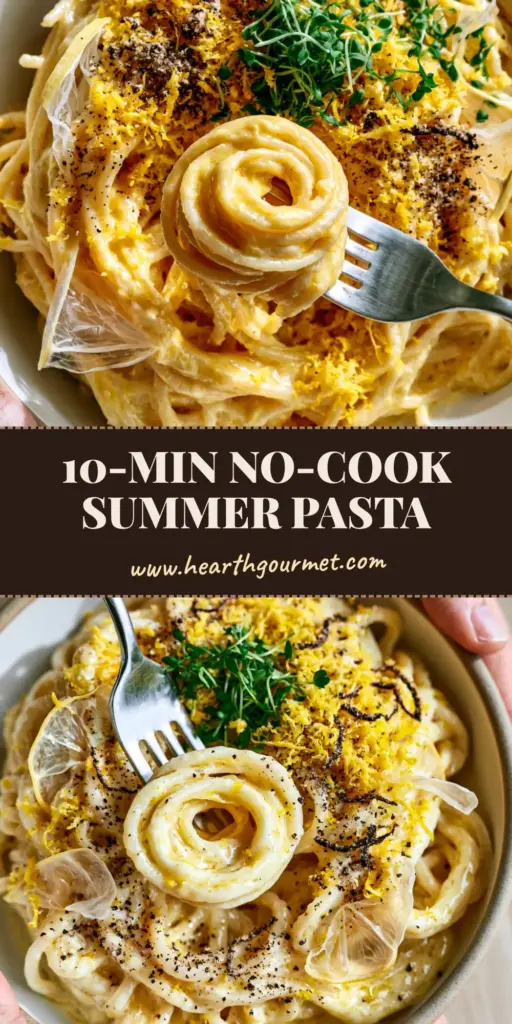
This summer pasta is more than just a quick meal; it is a celebration of seasonal ingredients and smart culinary techniques. By focusing on the science of emulsion and the beauty of fresh garnishes, you can create a dish that looks as good as it tastes. The bright citrus notes and peppery finish make it a perennial favorite for anyone who loves bold, clean flavors.
If you enjoyed this recipe, we would love to hear from you! Leave a comment below with your favorite summer herb substitutions, or share your beautiful pasta swirls with us on Pinterest. Don’t forget to sign up for our newsletter for more elite recipes delivered straight to your inbox.