Mastering the perfect Italian Carbonara is a rite of passage for every home cook who craves the soul-warming flavors of Rome. This isn’t just a pasta dish; it is a masterclass in culinary emulsion, where humble ingredients like farm-fresh egg yolks and sharp Pecorino Romano transform into a glossy golden-yellow egg yolk sauce that clings to every strand of al dente spaghetti. Forget the heavy cream—true authenticity lies in the silkiness of the eggs and the rendered fat of crispy seared guanciale cubes.
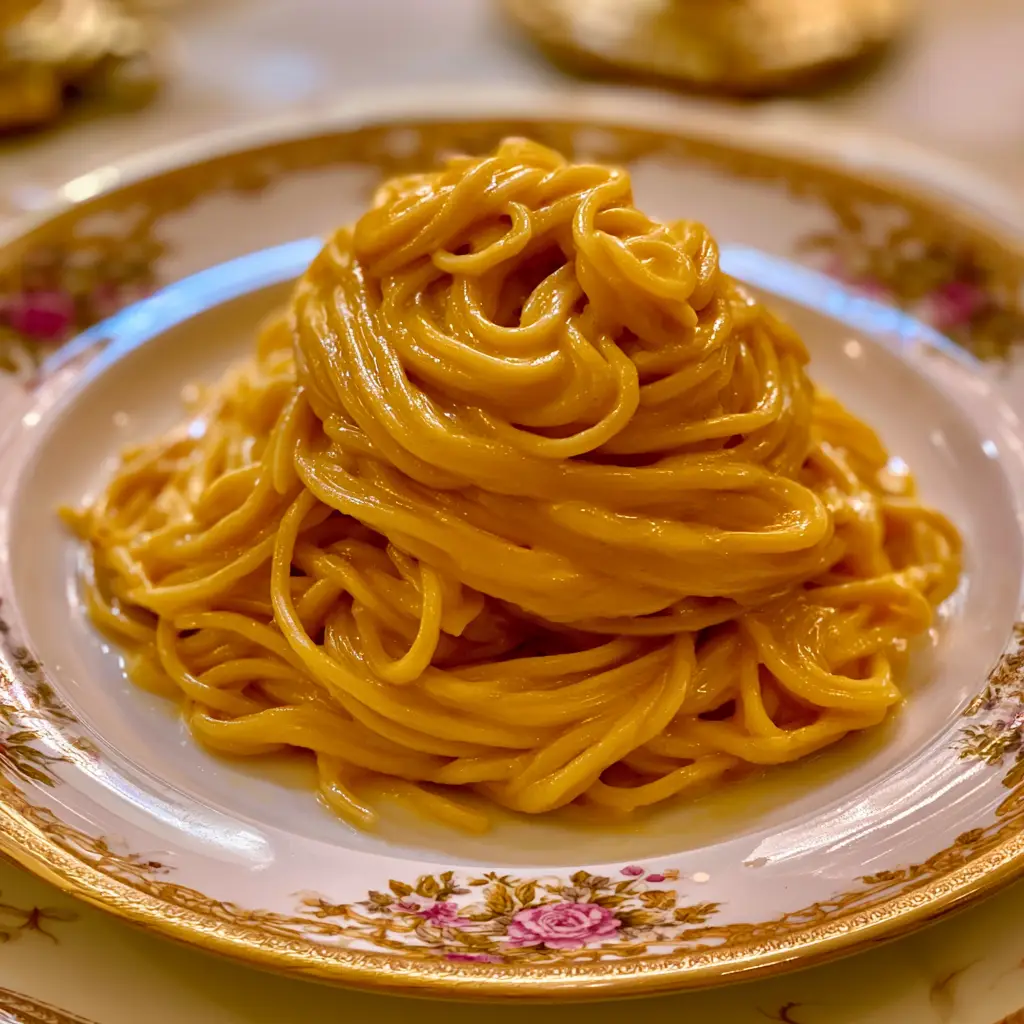
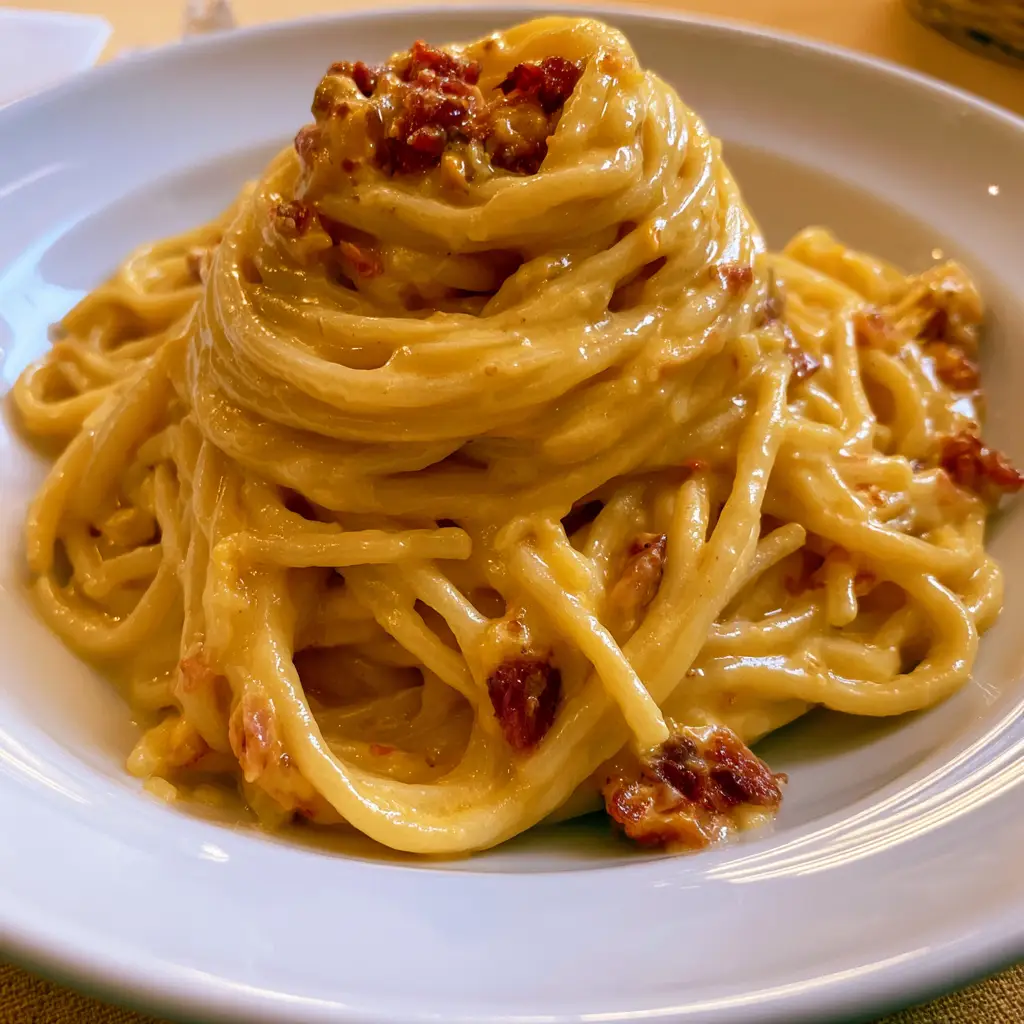
Imagine a tall, perfectly twirled nest of pasta, glistening under soft natural light, finished with a heavy dusting of coarsely cracked black pepper and a snowy mountain of cheese. If you have been searching for that restaurant-quality finish you see on Pinterest, you are in the right place. This recipe is designed to help you achieve that high-end sheen and rustic texture right in your own kitchen.
Why This Authentic Italian Carbonara Recipe Works
- Zero Cream Policy: We rely on the traditional Roman method of emulsifying pasta water with egg yolks for a naturally thick, velvet-like coating.
- Textural Contrast: The combination of crispy seared guanciale cubes and al dente spaghetti creates a sensory experience that is both crunchy and tender.
- Visual Perfection: This dish is plated for the eyes, featuring a glossy pale-gold sauce and a fresh pop of green from a single sprig of flat-leaf parsley.
- Speed & Sophistication: You can achieve a five-star meal in under 30 minutes using pantry staples and high-quality pork.
If you love the comforting nature of Roman cuisine, you might also enjoy our comforting Italian pastina soup for those colder evenings. But today, we are focusing on the king of Roman pastas: the Italian Carbonara.
The Essential Ingredients for Roman Excellence
To recreate the visual and flavor profile of a Roman trattoria, you must be selective with your ingredients. Each component serves a technical purpose in building the Italian Carbonara flavor profile.
1. The Pasta: Spaghetti or Rigatoni
We use 1 lb (450g) of high-quality dried spaghetti. The long strands are essential for creating that iconic “nest” shape. The starch released by the pasta during the boil is the “secret ingredient” that binds the cheese and egg into a cohesive sauce.
2. The Pork: Guanciale (Cured Pork Cheek)
Authentic Italian Carbonara requires 5 oz (150g) of guanciale. Guanciale has a higher fat-to-meat ratio than pancetta, providing the glistening fat needed for the sauce. When seared, it develops deep golden-brown, rustic chunks that are incredibly crispy.
3. The Cheese: Pecorino Romano
You need 1.5 cups (150g) of finely grated, snowy Pecorino Romano. This sheep’s milk cheese is saltier and sharper than Parmesan, providing the necessary bite to cut through the richness of the egg yolks.
4. The Eggs: The Golden Soul
Use 4 large egg yolks plus 1 whole egg. The high yolk count is what produces that incredibly glossy, thick, pale-gold sauce seen in our visual blueprint. Always use room-temperature eggs to prevent the sauce from breaking.
5. The Seasoning: Coarsely Cracked Black Pepper
Do not use pre-ground pepper. You need 2 teaspoons (about 10g) of coarsely cracked black pepper. The large fragments provide little bursts of heat that balance the heavy fats of the guanciale and cheese.
While this dish is rich and savory, if you’re in the mood for something with a bit more kick, our creamy Cajun salmon pasta offers a different take on the cream-free pasta experience.
Mastering the Emulsion: A Step-by-Step Guide
The biggest fear home cooks have with Italian Carbonara is making scrambled eggs. By following these precise sensory cues, you will achieve a professional emulsion every single time.
Step 1: Rendering the Guanciale
Slice the guanciale into thick, rustic cubes. Place them in a cold skillet and turn the heat to medium. Visual Cue: You are looking for the fat to turn translucent and then liquid, while the meat becomes deep golden-brown and crispy. Once crispy, remove the pan from the heat, but keep the glistening fat in the skillet.
Step 2: Boiling the Al Dente Spaghetti
Bring 4 quarts (4 liters) of water to a boil. Add a pinch of salt—less than usual, as the cheese and pork are very salty. Cook the spaghetti until it is firm to the bite (al dente). Pro Tip: Before draining, reserve 1 cup (240ml) of the starchy pasta water. This is liquid gold for your sauce.
Step 3: Creating the Egg and Cheese Slurry
In a medium matte-white ceramic bowl, whisk together the egg yolks, whole egg, and the mountain of finely grated Pecorino Romano. Add the coarsely cracked black pepper. The mixture should look like a thick, pale-yellow paste.
Step 4: The Tempering Technique
This is where the Italian Carbonara comes to life. Add the hot, drained spaghetti directly into the skillet with the guanciale fat. Toss to coat. Now, slowly whisk 2 tablespoons (30ml) of hot pasta water into your egg mixture to “temper” it. This raises the temperature of the eggs gently so they don’t scramble when they hit the hot pasta.
Step 5: The Final Twirl
Remove the skillet from all heat sources. Pour the egg and cheese mixture over the pasta. Toss vigorously with tongs, adding splashes of pasta water as needed. Visual Cue: Watch as the liquid transforms into a glossy golden-yellow egg yolk sauce that coats the noodles without pooling at the bottom.
Looking for more hearty dinners? Check out our comforting meatballs and potatoes for another family favorite.
Expert Tips for Pinterest-Worthy Carbonara
- Heat Management: Never add the egg mixture while the skillet is still on the burner. The residual heat of the pasta and the pan is more than enough to cook the eggs into a silky sauce.
- The “Snow” Effect: For the best visual appeal, grate your Pecorino using a microplane. This creates a snowy, finely grated texture that melts instantly into the sauce.
- The Twirl: Use a carving fork and a ladle to twirl the spaghetti into a tall nest before sliding it onto the plate. This creates the “tall, perfectly twirled nest” look from our Midjourney prompt.
- The Finishing Pop: Always add a small sprig of fresh flat-leaf parsley at the very end. While not traditional in all Roman households, it provides the essential color contrast for a stunning photo.
Storage, Reheating & Freezing
Italian Carbonara is best enjoyed immediately. Because the sauce is an emulsion of raw egg and cheese, it does not reheat well in the microwave, as the eggs will scramble. If you must reheat leftovers, do so in a pan over very low heat with a splash of water, whisking constantly.
Freezing: This dish cannot be frozen. The texture of the egg-based sauce will break and become grainy upon thawing.
What to Serve With Authentic Carbonara
Since this dish is incredibly rich, pair it with a crisp, acidic side. A simple arugula salad with lemon vinaigrette or roasted broccolini with garlic works beautifully. If you’re planning a multi-course Italian night, start with our classic pastina and follow it with this decadent pasta.
Frequently Asked Questions
You can, but the flavor will be different. Guanciale (cured pork cheek) has a distinct funk and silkier fat than smoked bacon. If you can’t find guanciale, unsmoked pancetta is the best substitute.
While Parmesan is delicious, authentic Carbonara uses Pecorino Romano. It is saltier and sharper, which is necessary to balance the rich fats of the egg yolks and guanciale.
No! Authentic Italian Carbonara gets its creaminess from the emulsion of egg yolks, finely grated cheese, and starchy pasta water. Adding cream is considered a culinary sin in Rome!
This happens if the pan is too hot when you add the eggs. Always remove the skillet from the heat and let it cool slightly before tossing in the egg and cheese mixture.
The Ultimate Authentic Italian Carbonara Recipe
Italian Carbonara: The Most Authentic Creamy Roman Pasta Recipe
Ingredients
Equipment
Method
- Add guanciale cubes to a cold skillet. Bring to medium heat and sear until deep golden-brown and crispy. Remove from heat.
- Cook spaghetti in salted water until al dente. Reserve 1 cup (240ml) of starchy water before draining.
- In a bowl, combine egg yolks, whole egg, grated Pecorino Romano, and cracked black pepper into a thick paste.
- Toss hot pasta in the skillet with guanciale fat. Off-heat, stir in the egg mixture and splashes of pasta water, whisking vigorously until a glossy, pale-gold sauce forms.
- Twirl into a nest, top with extra cheese and pepper, and garnish with a parsley sprig.
Notes
Use high-quality guanciale for the most authentic pork fat flavor.
Save This Recipe to Pinterest!
Don’t lose this recipe! Click the Save button to pin this to your “Authentic Italian” or “30-Minute Dinners” board. If you make this Italian Carbonara, we want to see it! Share a photo in the comments below or tag @hearthgourmet on social media. Please leave a 5-star rating in the recipe card if you loved this glossy, crispy Roman classic!