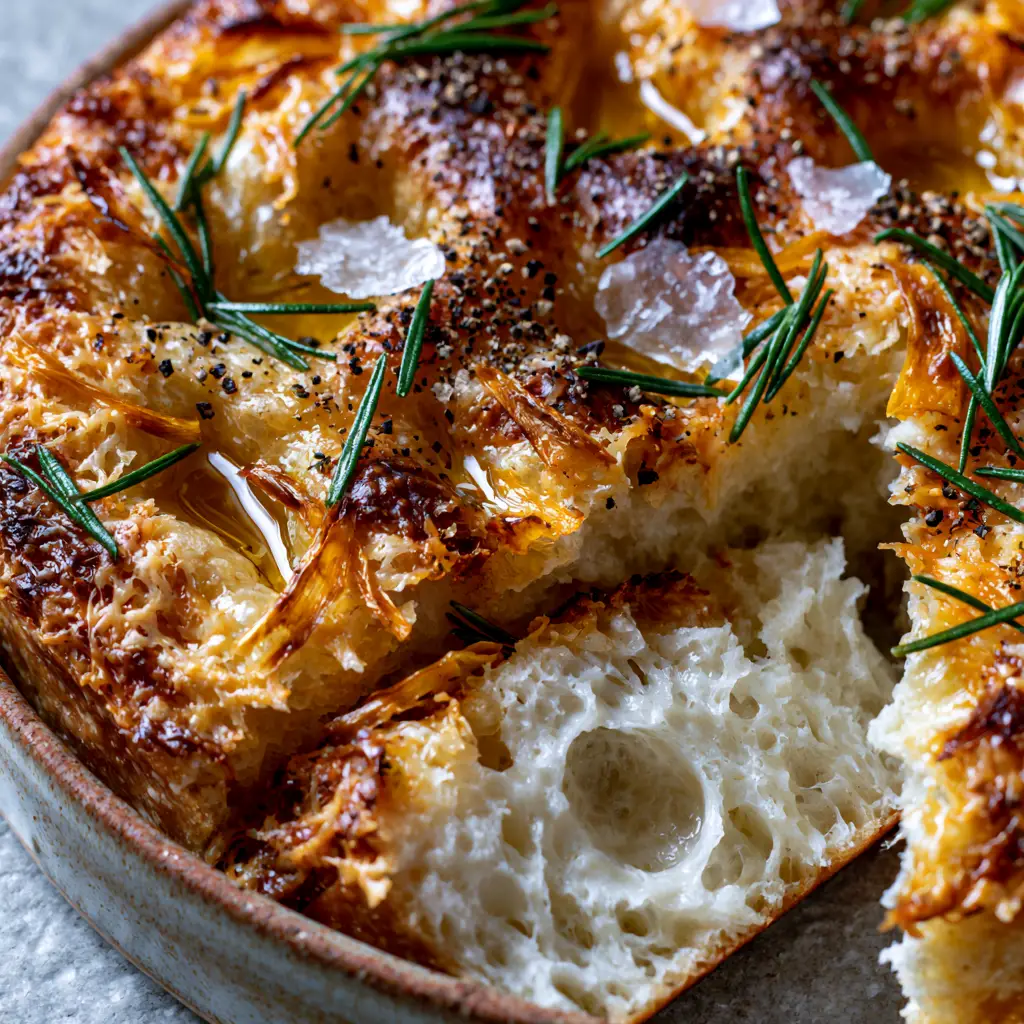
Garlic Parmesan focaccia is the holy grail of artisan bread baking, combining a cloud-like, airy crumb with a devastatingly crispy, cheese-encrusted exterior. If you have been searching for that perfect Pinterest-worthy slice featuring deep dimples, shimmering pools of olive oil, and a lacy parmesan frico, you have arrived. This recipe focuses on high-hydration techniques to ensure your kitchen smells like a rustic Italian bakery.
Why This Garlic Parmesan Focaccia is a Total Game Changer
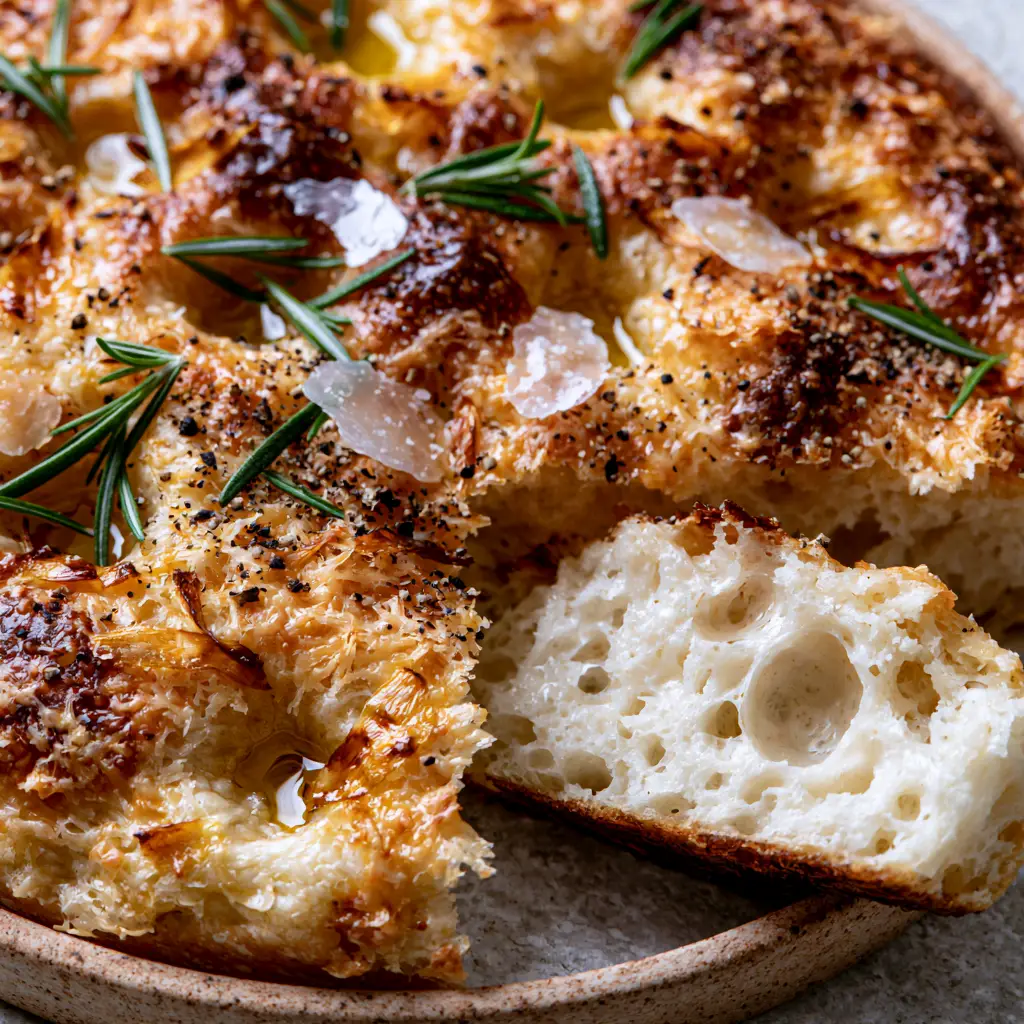
- Extreme Porosity: Our 80% hydration dough creates those giant fermentation bubbles and large alveoli you see in professional bakeries.
- The Frico Crust: We don’t just sprinkle cheese; we create a crispy melted parmesan crust that shatters upon impact.
- Roasted Garlic Infusion: Thin slivers of golden-brown roasted garlic are embedded into the dough, preventing them from burning while maximizing flavor.
- Textural Contrast: A perfect gradient of honey-gold to deep amber crust contrasted against a moist, tender interior.
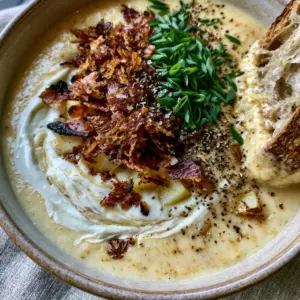
When you pull this Garlic Parmesan focaccia out of the oven, the first thing you’ll notice is the sound—the sizzle of extra virgin olive oil still bubbling in the deep, irregular dimples. It is the perfect side dish for a cozy bowl of Potato Cheese Soup or a hearty Italian Pastina Soup.
Essential Ingredients for the Perfect Frico Crust
To achieve the specific Visual Recipe Blueprint we are aiming for, ingredient quality is paramount. Do not skip the high-quality fats; they are the vehicle for all that garlic and herb flavor.
Bread Flour: You need a high-protein flour (12-13%) to support the massive air bubbles. All-purpose flour will work but will result in a tighter crumb.
Extra Virgin Olive Oil: This isn’t just for the dough; it’s for the “pools.” You want a robust, peppery oil that can stand up to the high heat of the oven.
Fresh Rosemary: Vibrant green rosemary needles provide a woody aroma that cuts through the richness of the crispy melted parmesan crust.
Parmesan Cheese: Use a block of Parmigiano Reggiano and grate it finely. Pre-shredded cheese contains anti-caking agents that prevent the formation of that beautiful, lacy frico.
Fresh Garlic: We are using thin, toasted garlic slivers rather than minced garlic to ensure they become sweet and golden rather than bitter and burnt.
Step-by-Step Guide to High-Hydration Focaccia
Making a world-class Garlic Parmesan focaccia is less about kneading and more about time and temperature. We use a “stretch and fold” method to build strength without degassing the dough.
1. The Initial Mix and Autolyse
In a large bowl, combine your flour, yeast, and warm water. You are looking for a shaggy, very wet mass. Let this rest for 30 minutes to allow the flour to fully hydrate, which makes the dough easier to handle later.
2. The Stretch and Fold Sequence
Instead of traditional kneading, we use wet hands to reach under the dough, pull it upward, and fold it over itself. Perform 4 sets of these folds every 30 minutes. You will notice the dough transforming from a sticky mess into a smooth, elastic sheet capable of holding large fermentation bubbles.
3. The Cold Ferment (The Secret to Flavor)
Place your dough in a greased container and refrigerate for at least 24 hours. This slow fermentation is what creates the airy porous crumb with large alveoli. The cold environment slows down the yeast, allowing complex organic compounds to develop, resulting in a superior sourdough-like tang.
4. Dimpling and Topping Construction
Once the dough has completed its second rise in a rustic ceramic baking dish, it’s time for the most satisfying part. Drizzle 1/4 cup (60ml) of extra virgin olive oil over the top. Use your fingertips to press deep, irregular dimples all the way to the bottom of the pan.
Visual Cue: The oil should pool in these dimples. Gently press your thin garlic slivers, fresh rosemary needles, and a heavy coating of finely grated parmesan into the surface. Finish with a generous scatter of flaky sea salt and cracked black pepper.
Expert Tips for Success
- Don’t Scrimp on Oil: The bottom of the focaccia should essentially “fry” in the pan, creating a crust that is as crispy as the top.
- Wiggle the Pan: Before baking, give the pan a gentle shake. The dough should jiggle like Jell-O; this indicates it is full of air and ready.
- The Cheese Placement: Ensure some of the parmesan touches the edges of the ceramic dish. This creates the “frico” edge—a crispy, lacy cheese crown that is the best part of the loaf.
- Room Temp Toppings: Make sure your garlic slivers are coated in oil before they go onto the dough to prevent them from charring too quickly.
Storage, Reheating & Freezing
Storage: Focaccia is best eaten the day it is made. However, you can store leftovers in an airtight container at room temperature for up to 2 days. To maintain the Garlic Parmesan focaccia crispness, avoid the microwave.
Reheating: Place slices in a 350°F (175°C) oven or air fryer for 5-7 minutes. This revives the olive oil and recrisps the parmesan frico to its original glory.
Freezing: Wrap individual slices tightly in plastic wrap and foil. Freeze for up to 3 months. Reheat directly from frozen in a hot oven until steaming in the center.
What to Serve With This Artisan Bread
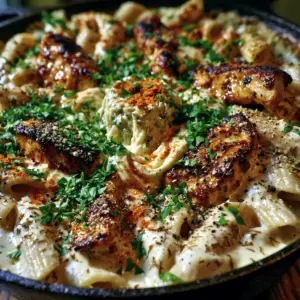
While this Garlic Parmesan focaccia is a meal in itself, it pairs beautifully with saucy dishes. Try dipping a thick, porous slice into the sauce of our Creamy Cajun Salmon Pasta. The airy crumb acts like a sponge for heavy creams and spicy oils. It is also the ultimate companion for a spread of cheeses and cured meats on a charcuterie board.
Frequently Asked Questions
Yes, but your focaccia will be softer and the crumb will be tighter. Bread flour has more protein, which is necessary to trap the large air bubbles in high-hydration doughs.
Yes! Because the dough is so wet, you cannot knead it traditionally. Stretch and folds build the gluten structure needed to hold the air without adding excess flour.
Slice the garlic into thin slivers and toss them in olive oil before placing them on the dough. Pressing them slightly into the dimples where oil pools also protects them from the direct heat.
A frico is a crispy, lacy crust formed when cheese melts and fries against the hot surface of the pan or the dough itself, creating a savory, crunchy texture.
Low hydration or insufficient fermentation time are the main culprits. Ensure you use at least 80% hydration and allow for a 24-hour cold ferment to develop those large alveoli.
The Ultimate Garlic Parmesan Focaccia Recipe
Ready to bake the most beautiful loaf of your life? Follow the detailed measurements below to achieve that honey-gold crust and shimmering oil pools. This recipe is designed for a standard 9×13 inch baking dish.
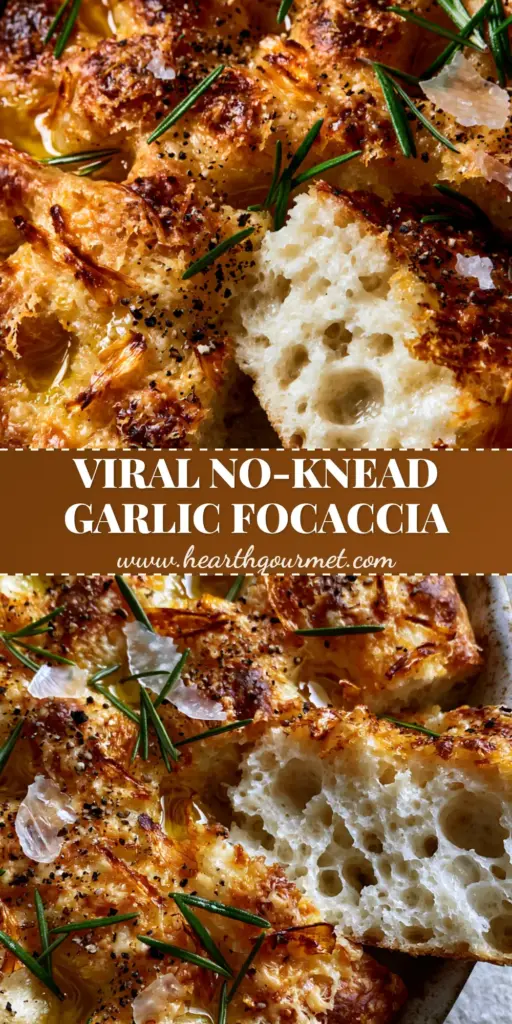
Garlic Parmesan Focaccia: The Ultimate Crispy & Airy Artisan Recipe
Ingredients
Equipment
Method
- In a large bowl, whisk together bread flour, yeast, and sea salt. Add warm water and 2 tbsp (30ml) of olive oil. Stir with a spatula until a shaggy, wet dough forms.
- Perform 4 sets of stretch and folds every 30 minutes. The dough should become smooth and develop large air bubbles.
- Cover the bowl and place in the refrigerator for 24-48 hours. This develops the airy porous crumb.
- Transfer dough to a greased 9x13 ceramic dish. Let rise at room temperature for 2-3 hours until doubled and jiggly.
- Preheat oven to 425°F (220°C). Drizzle remaining olive oil over the dough. Use fingertips to press deep dimples. Top with garlic slivers, rosemary, parmesan, and flaky salt.
- Bake for 20-25 minutes until the crust is honey-gold to deep amber and the parmesan has formed a crispy frico.
Notes
Ensure the garlic slivers are pressed slightly into the oil to prevent burning.
Show Off Your Bake!
Did you achieve those giant fermentation bubbles? We want to see! Please Save this recipe to your Bread Board on Pinterest so you never lose it. Follow @hearthgourmet for more high-hydration baking secrets.
If you made this Garlic Parmesan focaccia, leave a comment below and upload a photo of your golden-brown crust. Don’t forget to give us a 5-star rating if you loved the crispy parmesan frico!