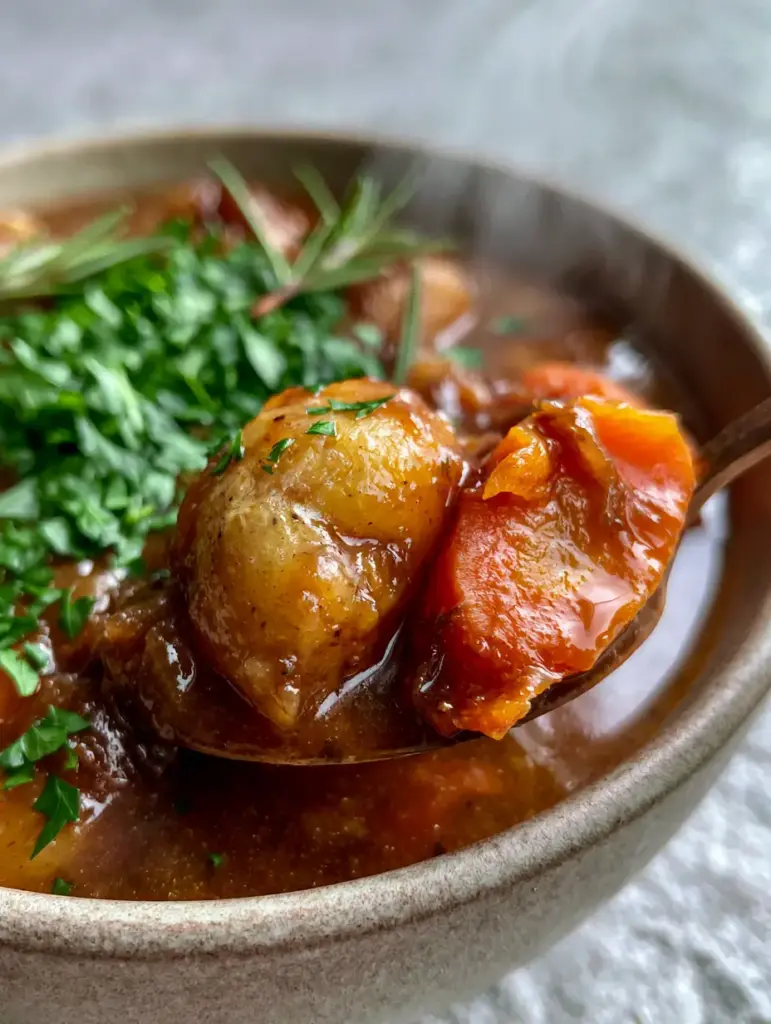
There is nothing quite as restorative as a steaming, rustic bowl of the perfect vegetable stew recipe. Imagine a thick, velvety amber broth that clings to every fork-tender morsel, shimmering under the soft glow of kitchen light. This isn’t just a side dish; it is a masterclass in plant-based comfort, designed to satisfy the deepest cravings for a warm, savory meal.
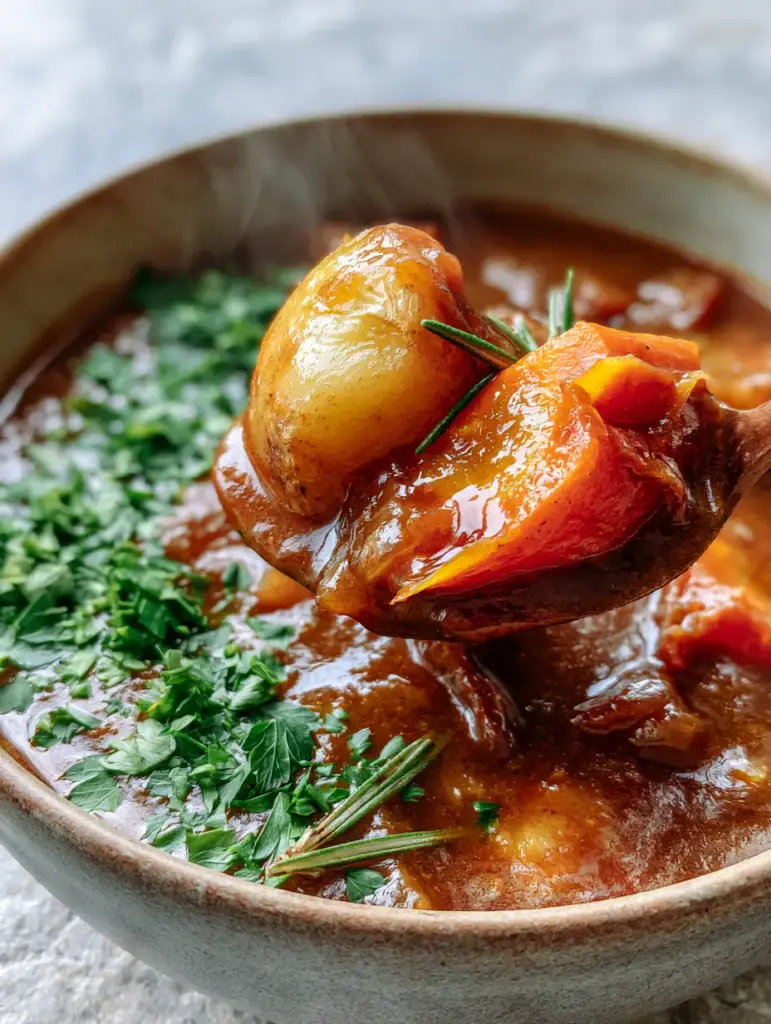
The visual appeal of this dish is undeniable, featuring vibrant orange carrot slices with softened edges and golden Yukon potato chunks that melt in your mouth. Finished with a glossy swirl of extra virgin olive oil and a generous scatter of bright green flat-leaf parsley, every spoonful is a work of culinary art. Whether you are seeking a cozy Sunday dinner or a reliable meal-prep staple, this recipe delivers restaurant-quality results with humble, pantry-friendly ingredients.
By focusing on layering flavors—from the initial sauté of the mirepoix to the woodsy infusion of fresh rosemary—we transform simple vegetables into a complex, umami-rich experience. The secret lies in the patience of the simmer and the quality of the fats used to create that characteristic glossy finish. Let’s dive into the science and soul of this incredible vegetable stew recipe.
Why This Hearty Vegetable Stew Recipe Stands Above the Rest
- The “Velvet” Factor: Unlike thin, watery soups, this stew uses the natural starches from Yukon Gold potatoes to create a thick, mouth-coating consistency without heavy creams.
- Visual Brilliance: The amber-colored broth is achieved through a specific caramelization process, ensuring the dish looks as rich as it tastes.
- Textural Contrast: We balance the “fork-tender” softness of the root vegetables with the fresh, herbaceous “snap” of rosemary and parsley added at precise intervals.
- Deep Umami Profile: By incorporating “invisible” foundation ingredients like tomato paste and high-quality olive oil, we achieve a savory depth usually reserved for meat-based dishes.
The Anatomy of Flavor: Essential Ingredients for Your Stew
Yukon Gold Potatoes: 2 lbs (900g). These are essential for their buttery texture and ability to hold their shape while releasing just enough starch to thicken the broth naturally.
Carrots and Celery: 4 large (250g) carrots and 3 stalks (150g) celery. These provide the structural sweetness and aromatic base that defines a classic vegetable stew recipe.
Yellow Onion and Garlic: 1 large (200g) onion and 4 cloves (20g) garlic. These “invisible” heroes are sautéed until translucent to create a foundational layer of aromatic complexity.
Tomato Paste: 2 tbsp (30g). This is the secret to the “amber” glow, providing concentrated acidity and helping to deepen the color of the liquid during the deglazing phase.
Vegetable Broth: 6 cups (1.4L). Use a high-quality, low-sodium version to control the seasoning while providing the primary liquid volume for the simmer.
Fresh Rosemary and Parsley: 2 sprigs of rosemary and 1/2 cup (15g) chopped parsley. Rosemary offers a resinous, woodsy note during the cook, while parsley adds a necessary “high note” of freshness at the finish.
Extra Virgin Olive Oil: 1/4 cup (60ml). Used both for searing the vegetables and as a “glossy swirl” finish to enhance the mouthfeel and satiety of the stew.
All-Purpose Flour: 2 tbsp (16g). A small amount of flour cooked into the vegetables (a singer technique) ensures the broth reaches a velvety, stew-like consistency.
The Kitchen Tools You’ll Need for Professional Results
To achieve the specific “steaming rustic” look of this vegetable stew recipe, a heavy-bottomed vessel is non-negotiable. A 6-quart (5.7L) Enameled Cast Iron Dutch Oven is the gold standard, as it provides even heat distribution and prevents the delicate potatoes from scorching on the bottom.
You will also need a sharp Chef’s Knife for the precise dicing of the mirepoix and a sturdy wooden spoon for deglazing the “fond”—those flavorful brown bits—from the bottom of the pot. Finally, serving this in a matte cream ceramic bowl, as suggested in our visual blueprint, helps retain heat while providing a beautiful contrast to the amber liquid.
Mastering the Simmer: Step-by-Step Instructions
Phase 1: Building the Aromatic Foundation
Heat 2 tbsp (30ml) of olive oil in your Dutch oven over medium heat until it shimmers. Add the diced onion, celery, and sliced carrots, sautéing for 8-10 minutes until the onions are translucent and the carrots begin to show softened edges.
Stir in the minced garlic and tomato paste, cooking for another 2 minutes. You are looking for the tomato paste to turn a shade darker—this “rusting” of the paste is what guarantees that deep amber-colored rich umami broth seen in our visual guide.
Phase 2: The Starch and Liquid Integration
Sprinkle the flour over the softened vegetables and stir constantly for 1 minute to cook out the raw flour taste. Slowly pour in 1 cup (240ml) of the broth while scraping the bottom of the pot to release the caramelized bits.
Add the remaining broth and the cubed Yukon Gold potatoes. Toss in the fresh rosemary needles and a generous pinch of cracked black pepper. Bring the mixture to a gentle boil, then immediately reduce the heat to a low simmer.
Phase 3: The Slow Transformation
Cover the pot partially and let the stew simmer for 25-30 minutes. The visual cue for readiness is when the potatoes are “fork-tender”—meaning a fork slides in with zero resistance but the cube doesn’t disintegrate.
As the stew cooks, the broth will transform from a thin liquid into a thick, velvety consistency. If you prefer an even thicker base, gently mash 3 or 4 potato cubes against the side of the pot and stir them back into the liquid.
Phase 4: The Finishing Flourish
Just before serving, remove the rosemary sprigs. Stir in the freshly chopped flat-leaf parsley, which provides a vibrant green contrast against the warm tones of the stew. Ladle the mixture into rustic ceramic bowls and finish with a glossy olive oil swirl to catch the light.
Expert Tips for a Faultless Vegetable Stew
- Don’t Rush the Onions: Sweating the aromatics properly is the difference between a flat soup and a complex vegetable stew recipe. Look for the “glossy” appearance before adding your liquids.
- Potato Selection: Avoid Russet potatoes if possible; they tend to fall apart too easily. Yukon Golds provide that “velvety” texture while maintaining the “fork-tender cubed” look.
- The Salt Balance: Potatoes absorb a significant amount of salt. Season in layers—a little at the start, and a final adjustment right before serving.
- Controlled Heat: A “boil” toughens vegetables, while a “simmer” softens them. Keep the bubbles small and lazy for the best texture.
Storage, Reheating, and Make-Ahead Advice
This vegetable stew recipe actually tastes better the next day as the flavors have more time to meld. Store leftovers in an airtight container in the refrigerator for up to 4 days. When reheating, you may need to add a splash of water or broth, as the potatoes will continue to absorb liquid and thicken the stew further while cold.
For long-term storage, you can freeze this stew for up to 3 months. However, note that the texture of the potatoes may become slightly softer upon thawing. Reheat gently on the stovetop over low heat to preserve the integrity of the vegetables.
What to Serve With This Comforting Bowl
To turn this into a full feast, pair your stew with a crusty baguette or a side of garlic bread for dipping into that rich amber broth. If you are looking for more seasonal inspiration, this dish fits perfectly into a rotation of fall soups and stews that keep the chill at bay.
If you enjoy the creamy texture of the potatoes here, you might also love our creamy potato and hamburger soup or even a light zucchini soup recipe for the warmer months. For a more traditional vibe, serving this alongside a vintage-recipe for buttermilk biscuits is a guaranteed crowd-pleaser.
Frequently Asked Questions
Yes, though you should still sauté the aromatics and tomato paste in a pan first to develop that deep amber color and umami flavor before transferring everything to the slow cooker for 4-6 hours on low.
The secret to the amber color is caramelizing the onions and ‘rusting’ the tomato paste (cooking it until it turns a dark brick red) before adding your liquid broth.
You can thicken the broth by adding a small amount of flour during the sauté phase (a ‘singer’) or by mashing a few of the cooked potatoes against the side of the pot to release their natural starches.
Yes, it freezes well for up to 3 months. For the best texture, reheat it slowly on the stove and add a splash of broth to loosen the consistency if the potatoes have absorbed the liquid.
Yukon Gold potatoes are the best choice because they have a naturally buttery texture and hold their shape during a long simmer, while providing enough starch to thicken the broth.
The Ultimate Hearty Vegetable Stew Recipe
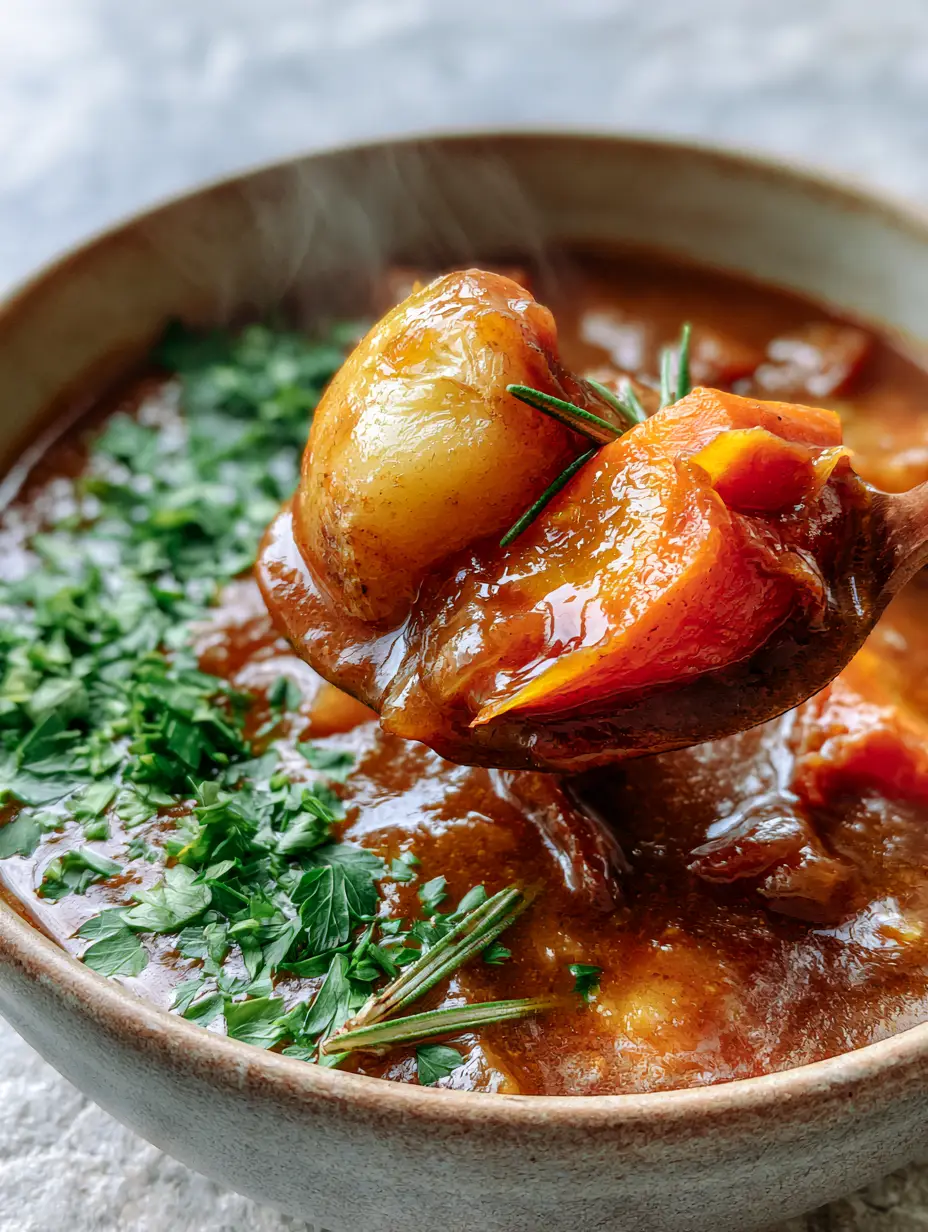
Vegetable Stew Recipe: The Ultimate Hearty Umami Bowl with Golden Yukon Potatoes
Ingredients
Equipment
Method
- Heat olive oil in a Dutch oven over medium heat. Sauté onion, celery, and carrots for 8-10 minutes until onions are translucent and carrots soften.
- Add minced garlic and tomato paste. Cook for 2 minutes until the paste darkens into a deep rust color.
- Stir in flour and cook for 1 minute. Gradually add 1 cup of broth, scraping the bottom of the pot to incorporate flavor.
- Add remaining broth, potatoes, rosemary, and pepper. Bring to a boil, then reduce to a low simmer for 25-30 minutes until potatoes are fork-tender.
- Remove rosemary sprigs. Stir in chopped parsley and a final swirl of olive oil for a glossy finish.
Notes
Sautéing the tomato paste until dark is the secret to the amber broth color.
Bring the Hearth Home
This vegetable stew recipe is a testament to the fact that plant-based cooking can be just as indulgent and satisfying as any meat-heavy alternative. We hope this bowl brings warmth to your table and a sense of accomplishment to your kitchen. If you enjoyed this recipe, please leave a comment below and share your results with us!
Don’t forget to follow us on Pinterest for more culinary inspiration and high-quality recipe guides. Happy cooking!