Mastering the use of a stainless steel pot or skillet is often considered the “final boss” of home cooking. While many reach for non-stick surfaces, the true professional knows that the most flavorful crusts and textures are born from the high-heat conductivity of premium steel. Whether you are using a shallow pan or a deep stainless steel pot for a quick sauté, the science of heat remains the same.
The secret lies in the relationship between metal, fat, and temperature. When you see that shimmering oil and those dancing water droplets on the surface, you are witnessing the Leidenfrost effect in action. This phenomenon creates a cushion of steam that allows delicate proteins like eggs to glide effortlessly across a seemingly “sticky” silver surface.
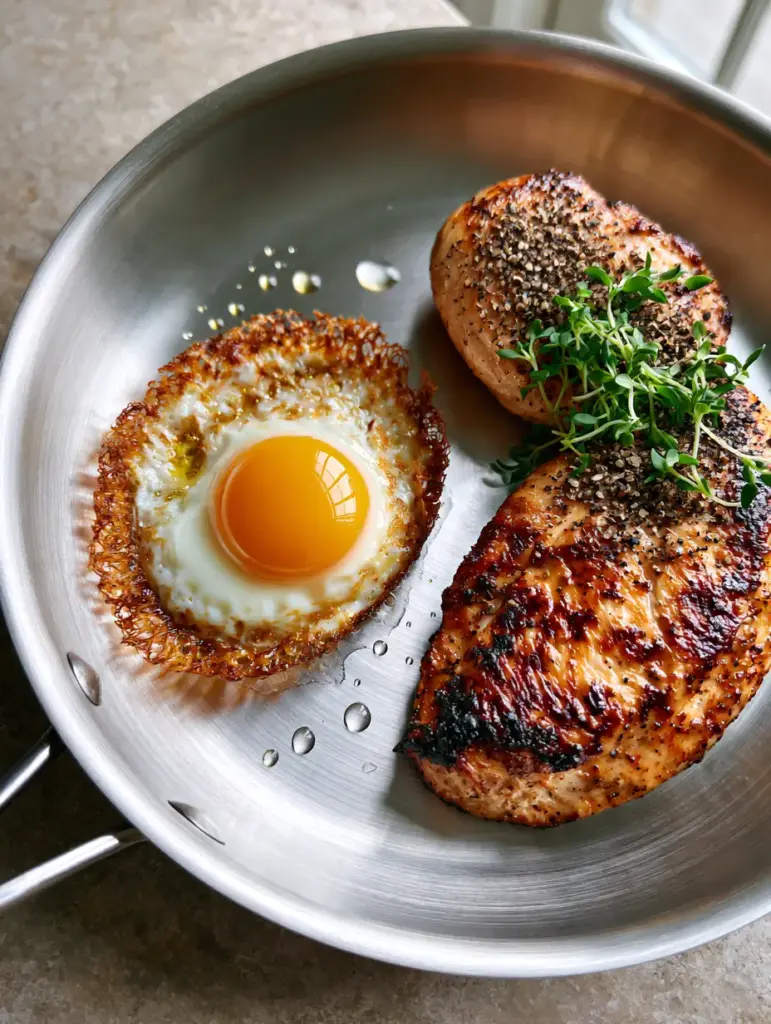
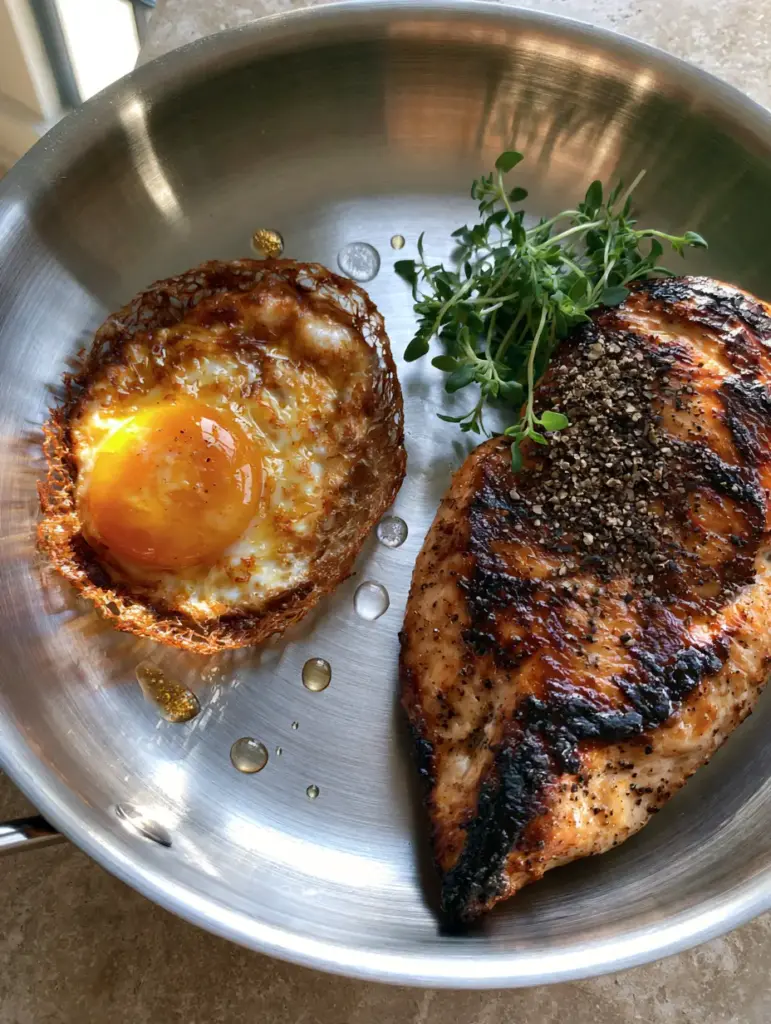
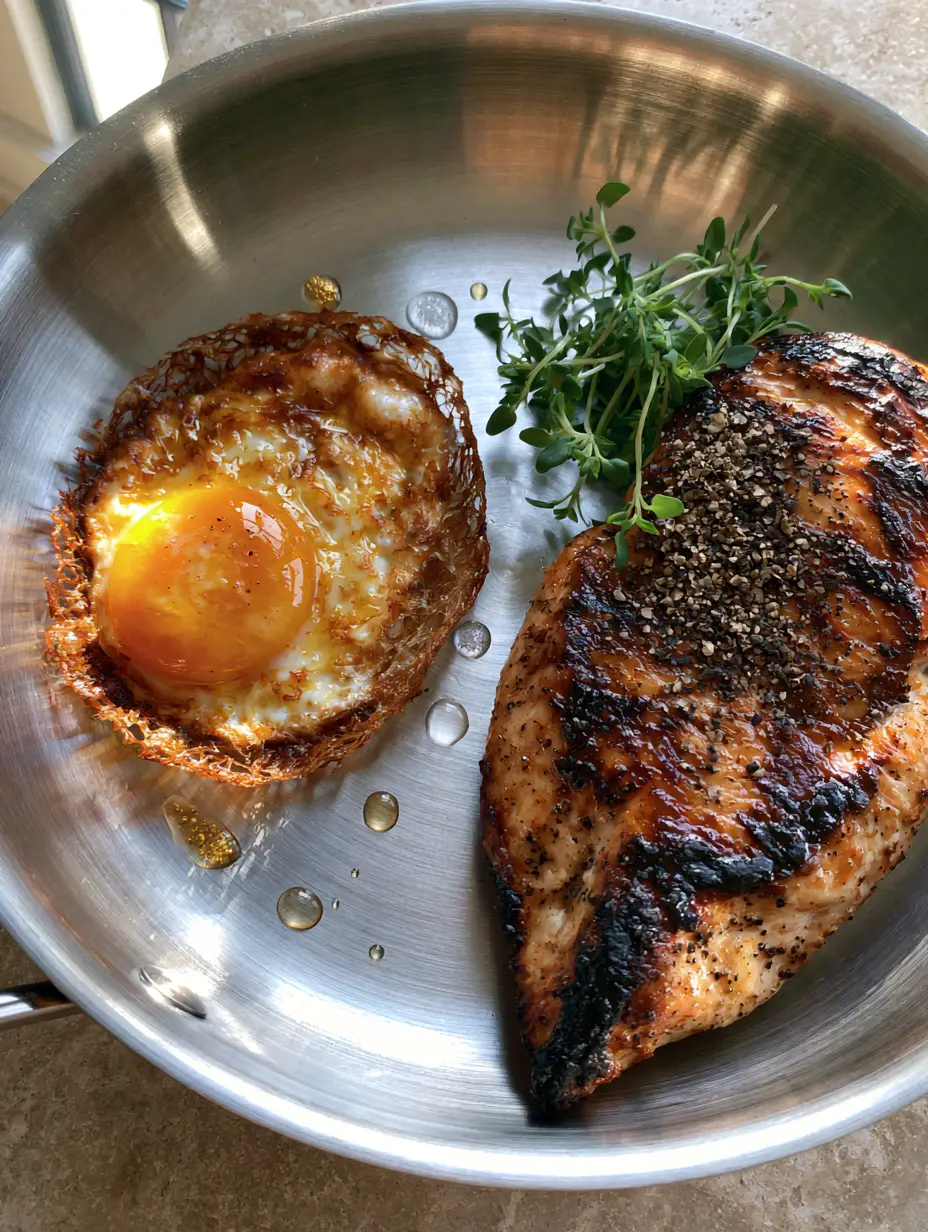
In this guide, we will break down the exact culinary mechanics required to produce a chicken breast with mahogany char marks and a sunny-side-up egg with those coveted golden, lacey edges. By the end of this tutorial, your stainless steel pot will become your most-used tool in the kitchen, replacing the need for fragile coatings and delivering restaurant-quality results every single time.
The Science of the Sear: Why Your Stainless Steel Pot Outperforms Non-Stick
- Unmatched Fond Development: Unlike non-stick pans, stainless steel encourages “fond”—those caramelized brown bits that form the base for incredible pan sauces.
- High-Heat Resilience: You can safely crank the heat on a stainless steel pot to achieve deep, mahogany char marks without worrying about degrading a chemical coating.
- The Leidenfrost Advantage: When properly preheated, stainless steel becomes naturally non-stick by utilizing a microscopic layer of steam.
- Visual Precision: The silver surface allows you to monitor the color of your butter and oil, ensuring you never burn your fats before the food hits the pan.
- Textural Contrast: Achieve the “Spanish-style” egg—crispy, bubbly, golden edges with a completely liquid, vibrant orange yolk.
Essential Components for a High-Heat Power Meal
Boneless, Skinless Chicken Breast: 1 (approx. 200g) piece. Choose a breast of uniform thickness to ensure the center reaches a safe temperature at the same moment the exterior achieves a deep, crispy sear.
Fresh Large Egg: 1 unit. A fresh egg has a stronger protein structure in the white, which prevents it from spreading too thin and helps create those distinct, lacy golden edges in hot oil.
Neutral High-Smoke Point Oil: 2 tbsp (30ml) of avocado or grapeseed oil. These oils can withstand the high temperatures required to trigger the Leidenfrost effect without breaking down or smoking excessively in your stainless steel pot.
Micro-Thyme Leaves: 1 tsp (approx. 2g) fresh. These delicate greens provide a bright, herbal pop that cuts through the richness of the fried egg and the savory depth of the seared chicken.
Coarse Cracked Black Pepper: 1/2 tsp (1g). Freshly cracked peppercorns provide a sharp, floral heat and a textural crunch that pre-ground pepper simply cannot match.
Kosher Salt: 1 tsp (5g). The irregular grains of kosher salt are perfect for drawing out surface moisture from the chicken, which is the key to achieving a professional-grade crust.
Filtered Water: 1 tbsp (15ml). While not an ingredient in the dish, a few droplets are essential for testing the surface temperature of your stainless steel pot before adding your fats.
Must-Have Tools for Stainless Steel Success
To achieve the visual result seen in professional food photography, you need more than just a recipe; you need the right kit. Naturally, a premium brushed stainless steel pot or skillet with an aluminum or copper core is the star of the show.
You will also need a thin, flexible metal spatula. This allows you to get underneath the crispy “lace” of the egg without tearing the delicate structure. A high-quality digital meat thermometer is also non-negotiable for ensuring your seared chicken is juicy and safe to eat.
Step-By-Step Guide to Mastering the Leidenfrost Effect
Preheating for Precision
Place your stainless steel pot over medium-high heat for 2 to 3 minutes. Do not add oil yet; we need the metal to expand first to close the microscopic pores of the steel.
Perform the water test: flick a few droplets of water onto the surface. If they sizzle and evaporate, the pan is too cold. If they immediately form tiny, dancing spheres that glide across the silver surface like marbles, you have achieved the Leidenfrost point.
Searing the Mahogany Chicken Breast
Pat the chicken breast extremely dry with paper towels; moisture is the enemy of the sear. Season both sides generously with kosher salt and half of the cracked black pepper.
Add 1 tbsp (15ml) of oil to the stainless steel pot and swirl to coat. Carefully lay the chicken into the shimmering oil. Press down lightly with your spatula to ensure even contact.
Leave it alone for 5-6 minutes. If you try to flip it and it sticks, it isn’t ready. The chicken will “self-release” once a proper crust has formed. Flip and cook for another 4-5 minutes until the internal temperature reaches 165°F (74°C).
Achieving the Crispy, Golden-Edge Egg
Remove the chicken to a warm plate to rest. Add the remaining 1 tbsp (15ml) of oil to the same stainless steel pot, ensuring the heat is still at medium-high. The oil should be shimmering and almost dancing.
Crack the egg into a small ramekin first, then gently slide it into the hot oil. You should immediately hear a loud crackle and see the edges of the white bubble and turn opaque.
Tilt the pan slightly to spoon some of the hot oil over the edges of the white, but avoid the yolk to keep it vibrant orange. Cook for 2-3 minutes until the edges are deep golden-brown and crispy, but the yolk remains fluid.
The Final Garnish
Slide the egg out of the pan and place it next to the rested chicken breast. The “lace” edges should be stiff and crunchy. Dust the entire dish with the remaining cracked black pepper and a scattering of fresh micro-thyme.
Expert Tips for Stainless Steel Mastery
- The Temperature Sweet Spot: If your oil starts to smoke aggressively, remove the pan from the heat for 30 seconds. You want shimmering oil, not a grease fire.
- Resting is Key: Always let your chicken rest for at least 5 minutes before slicing. This allows the juices to redistribute, ensuring a “juicy chicken breast” as described in the prompt.
- Deglaze for Flavor: If you’re making a full meal, use some fresh pico de gallo as a bright topping or deglaze the pan with stock to make a quick sauce.
- Cleaning Hack: While the pan is still warm, add a splash of water to loosen the fond. This makes cleaning your stainless steel pot a breeze without harsh scrubbing.
What to Serve with Pan-Seared Proteins
This high-protein combination is a fantastic base for a variety of meals. If you’re looking for a comforting side, consider serving this alongside a bowl of rich Canadian cheese soup for a decadent lunch.
During the colder months, these seared techniques work perfectly as a topping for hearty fall soups and stews. The contrast between the crispy egg and a velvety broth is a sensory delight that elevates simple home cooking to gourmet status.
For a lighter, summer-inspired meal, pair the chicken with a fresh heirloom tomato tart. The acidity of the tomatoes balances the rich, fried texture of the egg beautifully.
Frequently Asked Questions
Butter has a low smoke point and will burn quickly at the temperatures required for a hard sear. For the best results, use a high-heat oil first, then add a knob of butter at the very end for flavor basting.
The secret is shimmering hot oil and a preheated pan. When the egg hits the high-temperature oil, the moisture in the white rapidly evaporates, creating steam bubbles that fry into a crispy, golden lattice.
Yes, stainless steel is designed for high-heat cooking. However, you must use an oil with a high smoke point, like avocado or grapeseed oil, to prevent the fat from burning and becoming bitter.
Deglaze the warm pan with a little water or broth to loosen the stuck-on bits (fond). For stubborn stains, a mixture of barkeeper’s friend or vinegar and baking soda will restore the brushed silver finish.
Food usually sticks because the pan wasn’t properly preheated or you tried to flip the protein too early. Use the ‘water droplet test’ to ensure the pan has reached the Leidenfrost point, and wait for the food to ‘self-release’ once a crust forms.
The Ultimate Stainless Steel Searing Recipe
Stainless Steel Pot Mastery: How to Achieve the Perfect Seared Chicken and Crispy Fried Eggs
Ingredients
Equipment
Method
- Place the stainless steel pot over medium-high heat. Perform the water droplet test until beads dance across the surface.
- Pat the chicken breast dry and season with salt and half the pepper.
- Add 1 tbsp (15ml) oil. Sear chicken for 5-6 minutes per side until mahogany char marks form and internal temp is 165°F (74°C). Remove to rest.
- Add remaining oil. Slide egg into the shimmering oil. Cook until edges are golden-brown 'lace' and yolk is set but fluid.
- Plate the chicken and egg. Top with micro-thyme and remaining cracked pepper.
Notes
If the egg sticks, your pan was not at the Leidenfrost temperature before adding the oil.
Join the Gourmet Community
Mastering your cookware is the first step toward culinary independence. We hope this guide helps you feel more confident using your stainless steel pot for everything from quick breakfasts to elegant dinners.
If you tried this technique, we would love to hear about it! Leave a comment below or share your photos with us. For more kitchen inspiration and pro-tips, be sure to follow us on Pinterest and sign up for our newsletter.